
Light up the Possibilities: Outdoor Lighting Indoors
The ambience of any space, whether it’s a humble abode or an expansive garden, is significantly influenced by lighting. Light fixtures not only serve the functional purpose of illumination but also add aesthetic appeal to interior and exterior designs. However, a question often posed by homeowners, interior designers, and even lighting enthusiasts is: can outdoor lighting be used indoors?
This query may seem counterintuitive at first glance; after all, isn’t lighting categorized as indoor or outdoor for definitive reasons? Yet upon delving deeper into this topic, one uncovers a confluence of design sensibility and electrical safety considerations that makes this question not only relevant but also thought-provoking.
Shedding Light on the Importance of Understanding Lighting Usage
Assuming that a light fixture’s designated use, indoor or outdoor, implicates nothing more than aesthetics would be facile. While design aspects undoubtedly play a significant role in differentiating between these two categories, there are several other factors at work.
The construction materials’ durability under various weather conditions for outdoor lights versus the inherent safety features designed to protect against potential internal hazards for indoor lights are just a couple instances that underline the importance of understanding correct light usage. To illuminate further on this matter, using an inappropriate style of lighting in certain settings can lead to unexpected consequences ranging from inconvenient power failures to serious fire hazards.
Therefore, understanding how and where different types of light fixtures should be used becomes critical from both a practicality and safety viewpoint. Furthermore, with sustainability gaining momentum as an ethos in every aspect of our lives, repurposing or choosing long-lasting materials like those found in many outdoor lights can contribute positively towards reducing our environmental footprint.
This means that understanding lighting usage isn’t merely about aesthetics or safety anymore; it has significant environmental resonance as well. Ultimately, the ongoing evolution of interior design styles, coupled with an increasing focus on eco-friendly home innovations, means the question is no longer a simple dichotomy between indoor and outdoor lighting.
The query now evolves to: Can we undeniably use outdoor lighting indoors in a way that is safe, aesthetically pleasing, and environmentally responsible? It’s an intricate subject indeed – one which this article seeks to dissect and unravel in the following sections.
Understanding Light Fixtures: Indoor vs Outdoor
Exploring the Intricacies of Indoor Lighting Fixtures
Indoor lighting fixtures possess their own unique set of characteristics that distinguish them from their outdoor counterparts. Topmost amongst these are design aspects, safety features, and the types of indoor lights available.
The design aspect of indoor lighting is intricate, geared toward enhancing the aesthetic appeal of interior spaces. These fixtures come in a myriad of styles, ranging from minimalist modern to vintage and everything in-between.
Design elements like shape, color, size, and material play fundamental roles in determining how light is cast within a room, thus affecting mood and functionality. Safety is another vital characteristic intrinsic to indoor lighting fixtures.
They are designed with specific safety standards to counter risks like electric shock and fire hazards. Most indoor lights feature insulated wires and plastic components that can endure typical home temperatures without causing harm.
In terms of variety, there’s an abundance for indoor lights – table lamps, chandeliers, pendant lights, and wall sconces, to name a few – each serving different purposes while contributing to overall ambience. Task lighting focuses on providing lighting for work-intensive areas; ambient lighting establishes general brightness levels; accent lighting highlights artwork or architectural features.
A Deep Dive into Outdoor Lighting Fixtures
Outdoor light fixtures hold distinct attributes that make them not only survive but thrive in exterior settings. These comprise weatherproof qualities, durability under various conditions, and types available designed specifically for outdoor utilization.
Weatherproofing is arguably one of the most significant factors when considering outdoor light fixtures’ design. They should withstand challenging meteorological conditions ranging from scorching heat to freezing cold or torrential rainfalls. Weatherproof attributes include waterproof seals and gaskets, which protect electrical components from water ingress, ensuring functionality in all seasons.

Durability isn’t merely about survival against weather fluctuations – it encompasses resilience to physical damage too. Outdoor lighting fixtures are commonly made from robust materials like stainless steel or hard plastics that withstand impacts, resist corrosion, and hold up against temperature variations.
The types of outdoor lights differ based on purpose and location. There are path lights that guide foot traffic; security lights with motion sensors for safety; and landscape lighting to accentuate garden features at night. Each light type has been skillfully designed to perform optimally under the harshest of conditions while enhancing the aesthetic appeal of outdoor spaces.
Unveiling the Subtle Distinctions
When comparing indoor and outdoor fixtures, it becomes evident that a crucial interplay between design, safety, functionality, and durability exists. Indoor lighting accents interior decor while providing safe, functional illumination for various tasks.
Outdoor fixtures must withstand harsh elements while fulfilling aesthetic or security roles in exterior environments. The differences may appear subtle but are crucial to respect when selecting appropriate lighting for specific locations.
Can Outdoor Lighting be Used Indoors? An In-Depth Analysis
Potential and Practicality: Crossing the Boundary Between Indoor and Outdoor Lighting
Outdoor lights are primarily designed to withstand elements that indoor lights don’t normally encounter, such as rain, snow, and extreme temperatures. Notwithstanding these imperative differences, it’s not wholly inconceivable for outdoor lighting to be utilized indoors. Since they are crafted for harsh weather conditions, their durability can offer an added layer of longevity when used indoors.
When considering the practicality of this arrangement, it largely depends on the aesthetic appeal and the space available. For instance, outdoor wall sconces or hanging lanterns could add a touch of rustic charm inside a home while fulfilling lighting needs effectively.
On the other hand, some outdoor light fixtures may seem overwhelmingly large or out-of-place in certain indoor settings due to their robust structure designed for larger open spaces. Therefore, a judicious selection is critical to ensure that the chosen outdoor light fixture complements your indoor decor.
Safety Implications: Vigilance Required
Despite its potential advantages, using outdoor lighting fixtures indoors comes with safety considerations that cannot be overlooked. Outdoor lighting fixtures are intended to dissipate heat into open air; when used indoors without sufficient ventilation or away from flammable materials, they may pose a fire hazard due to overheating.
Furthermore, some units might not comply with local electrical codes when installed indoors, which could also raise safety concerns or legal issues. Hence, it is crucial to consult with an electrician before proceeding with such installations.
Case Studies: Instances where Outdoor Lighting was Used Indoors Successfully
The Industrial Style: A Harmonious Blend of Strength and Style
One example showcasing successful use of outdoor lighting indoors is in the domain of industrial-style interior design, where rugged materials and exposed hardware are celebrated. A weathered outdoor pendant light, for instance, can augment the raw, unfettered essence of an industrial-themed room.
Creating Unique Aesthetic Appeal: The Charm of Unconventionality
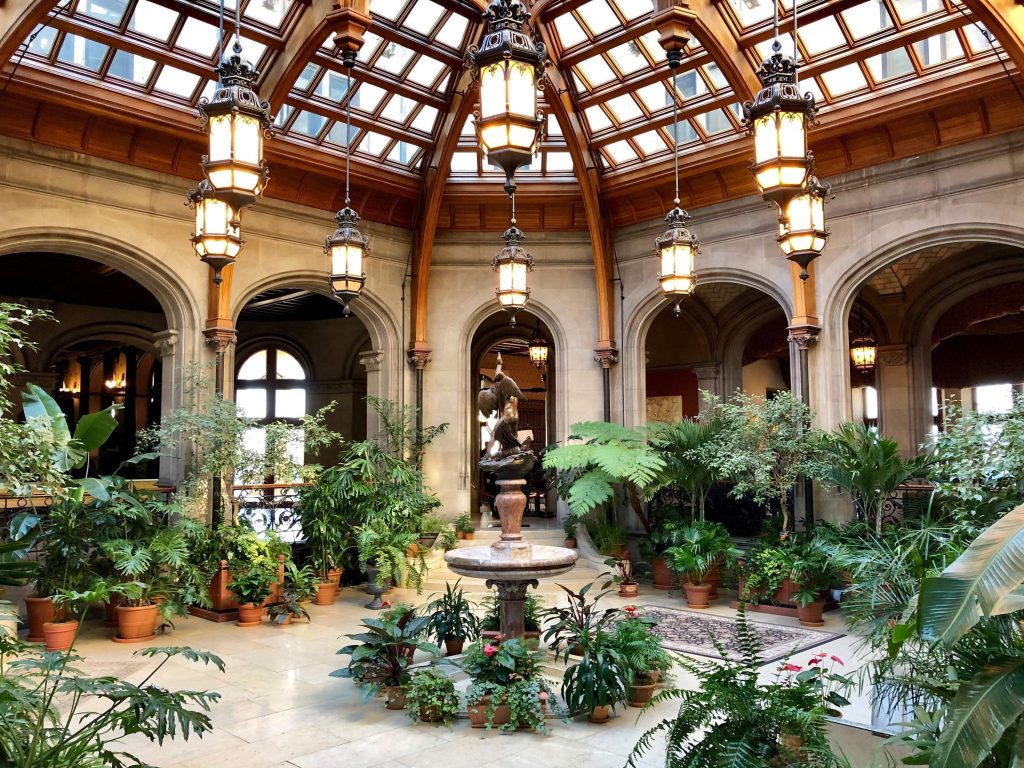
There have been instances where designers have used outdoor lights indoors to create a unique aesthetic appeal. In restaurants aiming for a “garden dining” experience, using outdoor lighting fixtures indoors not only provides necessary illumination but also enhances the overall ambience.
Repurposing for Environmental Sustainability: Embracing the Green Initiative
In the spirit of environmental sustainability, repurposing outdoor lights for indoor use can be an eco-friendly practice. By doing so, we can reduce resource consumption and waste production associated with manufacturing new indoor light fixtures.
Pros and Cons of Using Outdoor Lighting Indoors
The Upside: Durability and Distinct Design
Outdoor lighting fixtures offer durability and resilience that’s often superior to their indoor counterparts, resulting in increased lifespan when used indoors. Their distinctive design can also serve as a conversation piece or add a unique touch to your interior design.
The Flip Side: Safety Risks & Over Illumination
However, potential downsides include the safety risks mentioned earlier and the possibility of over-illumination. Outdoor lights are designed to cast wide-ranging bright light suitable for large open spaces, which may be excessive within smaller enclosed areas, causing discomfort or even potential harm to eyesight.
Safety Measures to Consider when Using Outdoor Lights Indoors
Electrical Considerations: Safeguarding against Hazards
Make sure you consult with an electrician before installing outdoor lighting fixtures indoors, as they might require specific wiring considerations that differ from traditional indoor installations. For instance, certain models might need their own grounding wire due to being exposed to rain and other elements when used outdoors. This requirement may not hold true for indoor lights but is crucial for safe operation of the outdoor fixture indoors.
Heat Generation Concerns: Managing Temperature
Outdoor fixtures, particularly those designed to house incandescent bulbs, could generate significant heat. If these fixtures are installed in areas without proper ventilation or close to flammable materials, they could pose a fire risk. Therefore, careful consideration should be given to where such fixtures are located within the home.
Proper Installation Procedures: Ensuring Safe & Secure Setup
When mounting outdoor lights indoors, proper installation procedures must be followed to ensure they’re securely affixed and correctly wired. For ceiling-mounted fixtures, special attention must be paid to the load-bearing capacity of the mounting point due to outdoor light fixtures often being heavier than indoor ones.
Expert Opinions on the Use of Outdoor Lighting Fixtures Indoors
Perspectives from Interior Designers: Melding Functionality with Style
From an interior designer’s perspective, using outdoor lighting fixtures indoors can provide an opportunity for unique design expressions. However, it’s essential that these installations are done tastefully and in harmony with other decor elements within the space.
Tips from Electrical Safety Experts: Safety Above All Else
Electrical safety experts echo similar sentiments, emphasizing the paramount importance of safety when considering using outdoor lights indoors. They stress following safety regulations and codes in addition to seeking professional advice before forging ahead with such plans.
Manufacturers’ Insights: Balancing Innovation and Compliance
Manufacturers generally advise against using their outdoor products indoors primarily due to safety reasons; however, some acknowledge that if executed properly under expert supervision and following all precautions, it can serve dual purposes – functional illumination blended with unconventional style aesthetics.
Conclusion: Can Outdoor Lighting be Used Indoors?
Weighing the Risks vs Rewards
The feasibility of using outdoor lights indoors emerges as a complex interplay of factors such as aesthetics, safety, and practicality. While the potential for unique design expressions and durability can be enticing, it’s crucial to weigh these against associated safety risks and necessary precautions.
Change often ushers in innovation – so does the idea of using outdoor lights indoors. If approached conscientiously, keeping safety paramount and diligently following guidelines, it could well open up an avenue for designing spaces that are brightened with a blend of novelty and charm.
You may also be interested in the following posts: