
The Luminous World of Low-Voltage Lighting
Low-voltage lighting, the unsung hero of the lighting world, has brought a revolution in the way we perceive brightness. Its advent has opened Pandora’s box of possibilities and benefits, ranging from energy efficiency to prolonged lifespan and beyond. Unlike their 120-volt counterparts that are commonplace in most residential settings, these lights employ a mere 12 volts to radiate their luminous glow.
In essence, they operate on a reduced voltage courtesy of a transformer that modulates power from your standard home outlet. They come in various types, including but not limited to halogen and LED lights, each bringing unique characteristics to the table. Halogen lights render an impressively accurate color rendering index (CRI), making them ideal for spotlighting artwork or jewelry. On the flip side, LEDs mightily excel when it comes to energy conservation and extended life expectancy.
The Art of Light Dimming: An Unseen Necessity
Dimming lights isn’t just about creating an atmosphere or adjusting light levels according to preference; it also plays an integral role in energy conservation and the longevity of light bulbs. The ability to modulate brightness is an underappreciated quality that can substantially increase our control over energy consumption while also bolstering the ambiance according to our mood or task at hand.
The dimming process works through regulating electrical circuits; this either happens through resistive dimming, where resistance is used as a means to control light output, or through pulse-width modulation (PWM), where electricity is rapidly turned on and off for varying durations, resulting in perceived dimness. Moreover, some dimmers work on leading-edge technology where they cut off voltage at the beginning of each cycle, reducing brightness, while others make use of trailing-edge technology, which cuts off towards the end, achieving similar results.
The Potential for Dimming Low-Voltage Lighting
Dimming low-voltage lighting brings forth an interesting convergence of electricity and technology. Though not often considered, the capacity to dim these lights can amplify their flexibility in application, extend their lifespan, reduce energy consumption, and provide an overall enhanced lighting experience.
However, do not be deceived by the apparent simplicity of the concept. The process is intricate, involving compatibility between lights, transformers, and dimmers. It also requires a keen understanding of potential issues that may arise during implementation and how to effectively troubleshoot them.
While the science behind it may seem daunting for the technologically unacquainted, once understood and navigated successfully, it opens up a realm where control over illumination becomes far more nuanced and personalized. This post aims to dissect this subject matter thoroughly, allowing you to comprehend the science behind dimming low-voltage lights while quelling any misconceptions along the journey.
Demystifying Low-Voltage Lighting
Often, mention of lighting conjures up images of the traditional mains voltage lights. However, technology has paved the way for a more efficient and safer option – low-voltage lighting. By definition, low-voltage lighting refers to electrical equipment that operates at a voltage level significantly lower than the standard 120 or 240 volts.
Most commonly, these function at 12 or 24 volts. This form of lighting leverages step-down transformers to convert the high mains voltage into a lower one. Consequently, low-voltage lights are intrinsically safer as they reduce the risks associated with electrocution and overheating. Moreover, they grant designers greater flexibility in terms of installation and positioning due to their compatibility with smaller fixtures.

Low-voltage lighting is often synonymous with energy efficiency thanks to less power consumption compared to traditional lighting systems while offering similar or even superior lighting levels. The world of low-voltage lights is not monotonous but rather diverse, with different types available depending on their application.
Among these varieties are light-emitting diodes (LED) and halogen bulbs. LEDs are semiconductor devices that emit light when an electric current passes through them. They have gained popularity due to their remarkable efficiency, longevity, and temperature tolerance. On the other hand, halogen bulbs function by heating a tungsten filament enclosed in a small glass envelope filled with halogen gas, which then emits light.
The Strengths and Weaknesses of Low-Voltage Lighting
In-depth understanding necessitates acknowledging both strengths and weaknesses inherent within a system – such is true for low-voltage lighting as well. The primary advantage lies within its enhanced safety features: reduced risk of electrocution or fire hazards owing to lower operating voltages. Moreover, the reduced power consumption associated with this type of lighting promotes energy efficiency and subsequently lowers utility bills.
Low-voltage lights, particularly LEDs, are acclaimed for their longevity and reliability, often outlasting their traditional mains voltage counterparts. Furthermore, they offer exceptional light quality that can be customized to suit various moods or ambiances.
Conversely, like all technology, low-voltage lights have a few drawbacks. Initial installation can be more complex due to the requirement of transformers to step down the voltage. The cost of these transformers combined with the higher price point of low-voltage bulbs compared to standard ones contributes to a higher upfront cost.
Furthermore, though LEDs are highly efficient and long-lasting, if a single LED chip fails in a bulb or fixture, it often necessitates replacement of the entire unit. This is unlike traditional bulbs, where only the bulb needs replacing when it fails. Similarly, halogen bulbs emit significant heat, which can lead to overheating issues if improperly installed or used in enclosed lighting fixtures.
The Science Behind Dimming Lights
Unveiling the Luminosity: How Light Dimming Works
Dimming of lights, in its most rudimentary form, is a process that modulates the voltage supply to a light source, thereby controlling the intensity of its emitted light. This modulation can be achieved through various technologically sophisticated methods, but it fundamentally involves adjusting the electrical resistance within a circuit.
The dimmer switch manipulates this resistance to regulate the voltage reaching the light source. In incandescent lamps and similar traditional light sources, dimmers function by adjusting the electric current flowing into them. A lower current means less energy reaching the filament, which subsequently leads to decreased radiance due to slower vibrations of its atoms. Conversely, higher currents amplify these atomic vibrations and consequently increase luminosity.
However, dimming modern lighting solutions like LEDs or CFLs is more complex due to their different operational principles. These energy-efficient lights incorporate additional electronic components for their operation, which require specific types of dimmers for compatibility.
The Role of Resistors and Rheostats
Resistor-based rheostats play an integral role in traditional dimmer switches by dynamically altering electrical resistance within a circuit based on user input (i.e., rotating or sliding a switch). Essentially functioning as variable resistors, rheostats obstruct electricity flowing through circuits; less obstruction allows more power flow (more brightness), while greater obstruction results in lower power output (less brightness).
Initially invented as one form of variable resistor technology for early radio sets, rheostat-based dimmers have been widely used over years despite being inefficient; they essentially waste considerable power as heat during operation. However, advancing technology in semiconductors and the digital electronics domain has given rise to far more efficient alternatives, such as pulse width modulation (PWM), that are now commonly used in modern dimmer designs.
More than a Beat: Understanding Pulse-Width Modulation (PWM)
Pulse-width modulation, or PWM, is a sophisticated method of dimming lights, particularly LEDs. Instead of resisting electric current flow and dissipating unutilized energy as heat, the PWM mechanism involves turning the light source on and off at an extremely rapid rate – so quick that human eyes perceive it as consistent illumination.
The ‘duty cycle’ – the proportion of time that the light remains turned on within each pulse – governs the perceived brightness. A longer duty cycle equates to higher brightness because the light stays ‘on’ for a more significant portion of each pulse. Conversely, a shorter duty cycle results in reduced brightness. This efficient process ensures minimal energy wastage since almost no power is dissipated when the lights are switched off during each pulse, even though this happens in minuscule fractions of seconds.
The Leading and Trailing Edge: Different Types of Dimmers
In addition to understanding how dimming works fundamentally, it’s crucial to explore different types of dimmers designed for various lighting solutions. Two commonly used types are Leading Edge and Trailing Edge dimmers.
Leading edge dimmers, also known as forward-phase dimmers, were traditionally used with incandescent lamps and halogen lights that have resistive loads. However, they often cause problems such as buzzes or flickers when coupled with low-voltage lighting systems such as LEDs because these modern lighting systems incorporate electronic transformers – components unsuitable for leading-edge technology due to their design intricacies.
On the contrary, trailing edge or reverse-phase dimmers are more compatible with such electronic transformers due to their operational principle; they smooth out changes in current at both ends (leading and trailing) of an AC waveform by cutting out power supply later than leading-edge counterparts do. These distinctions emphasize the inevitable significance of choosing the right type of dimmer for a specific lighting system to ensure seamless and efficient light modulation.
Can Low-Voltage Lighting be Dimmed?
The Compatibility Dance: Low-Voltage Lights and Dimmers
The potential to dim low-voltage lights hinges predominantly on their compatibility with dimmer switches. A significant factor that influences this compatibility is the design and technology behind each specific type of low-voltage lighting. For example, while certain LED lights are tailor-made for optimal functioning with standard dimmers, others might require specially-designed electronic low-voltage (ELV) dimmers to function efficiently.
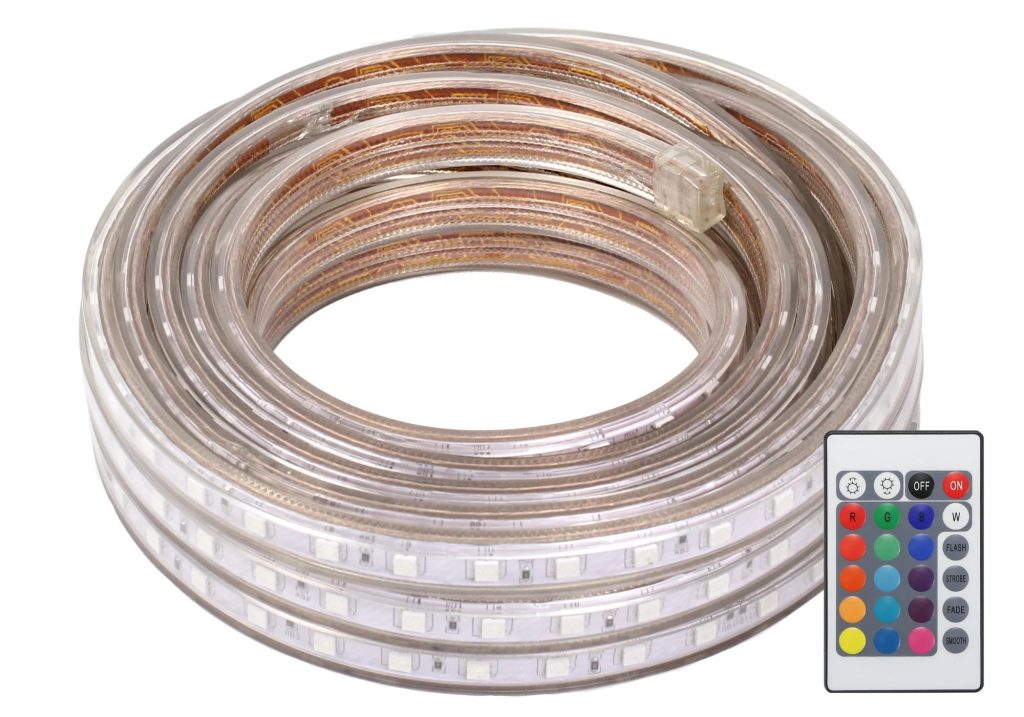
Understanding the interplay between various types of low-voltage lights and suitable dimmer switches necessitates a comprehensive inquiry into the mechanism by which they work. Power supply, voltage regulation, heat management, and overall electronic design all play a critical role in determining whether a particular type of low-voltage light can be efficiently dimmed or not.
Transformers serve as intermediaries between the main power supply and the lower-voltage light system. These devices modify input voltage from the power source to a level that is compatible for use by these lower voltage lights – an essential process in ensuring their successful operation.
Magnetic Transformers: The Traditional Workhorse
Magnetic transformers form part of a category known as linear transformers, which are widely used due to their dependability and longevity. They operate on simple principles of electromagnetic induction; hence, they are free from complex electronics that might fail over time. However, magnetic transformers do have some limitations when it comes to light-dimming features.
They function optimally at full load capacity, so when paired with certain types of dimmer switches, they may experience performance issues such as buzzing noises or flickering lights. To overcome these complications, magnetic low-voltage (MLV) dimmers can be employed; they are specifically designed to work alongside magnetic transformers, providing smooth variable light control without any adverse effects on performance or lifespan.
Electronic Transformers: Compact and Efficient
Electronic transformers are newer entrants into the sphere of low-voltage lighting. They incorporate electronic components and thus are smaller, lighter, and more energy-efficient than their magnetic counterparts.
However, these transformers have a relatively high-frequency operation (20,000 Hz or higher), which may not be compatible with traditional dimmer switches that operate at lower frequencies (50-60 Hz). Therefore, using an incorrect combination could lead to suboptimal performance or even damage the transformer.
To make dimming possible with electronic transformers, electronic low-voltage (ELV) dimmers must be used. These dimmers are specifically designed to handle the high-frequency operation of electronic transformers, ensuring smooth, flicker-free dimming.
The Art of Matching: Finding the Right Dimmer for Your Transformer
While it’s entirely possible to achieve effective dimming with low-voltage lights by using a suitable transformer-dimmer combination, it’s important to remember that not every combination will work seamlessly. Choosing the right pair is tantamount to orchestrating a harmonious ballet – when matched correctly, they dance in perfect unison, resulting in effective light control.
Magnetic transformers typically require MLV dimmers for optimal results, whereas ELV dimmers work best with electronic transformers. The key lies in understanding your lighting needs and choosing the right equipment accordingly; successful pairing can lead to an attractive fusion of energy efficiency and ambient control.
Low-voltage lighting can indeed be successfully dimmed when paired with proper technology. It’s about understanding the distinct characteristics of these lights and matching them correctly with suitable transformers and accompanying dimmers.
Case Study: Dimming LED Low-Voltage Lights
An In-depth Look into the Unique Nature of LED Lighting
When it comes to dimming lights, light-emitting diodes (LEDs) present a distinct scenario. Unlike incandescent or halogen bulbs that use heat to create light, LEDs are semiconductor devices. They emit light when an electrical current passes through them.
This unique operational process is what sets them apart and influences their dimming characteristics. In more technical terms, LEDs function on direct current (DC), whereas most household circuits supply alternating current (AC). In order for an LED light to operate correctly, a driver is needed to convert AC to DC. The inclusion of this driver further complicates the dimming process as not all drivers are compatible with all types of dimmers.
Moreover, unlike traditional light sources, which have a linear relationship between input voltage and brightness, LEDs have a non-linear response curve. This means that a minor change in input voltage can have a major impact on their brightness level, which further underscores the need for specialized control mechanisms in their dimming process.
Apart from these electrical differences, aspects related to quality also come into play. Lower-quality bulbs may not be capable of dimming at all, or they might exhibit uneven or flickering light when paired with certain types of dimmers, which is never desirable.
It’s worth noting that even though LEDs consume less power than traditional lighting solutions and thus operate on lower voltages, they still need enough power to function properly. If the voltage drops too low during the dimming process, they simply won’t turn on or might prematurely burn out due to inconsistent power delivery.
Navigating Towards Successful Dimming of LED Lights
The path towards successful LED light dimming begins with understanding the key components involved. Foremost among these are the LED bulb itself, the driver, and the dimmer switch. As we have already established, not all LED bulbs are designed to be dimmable. Therefore, it is imperative to ensure that your chosen bulb indicates its compatibility with dimming.
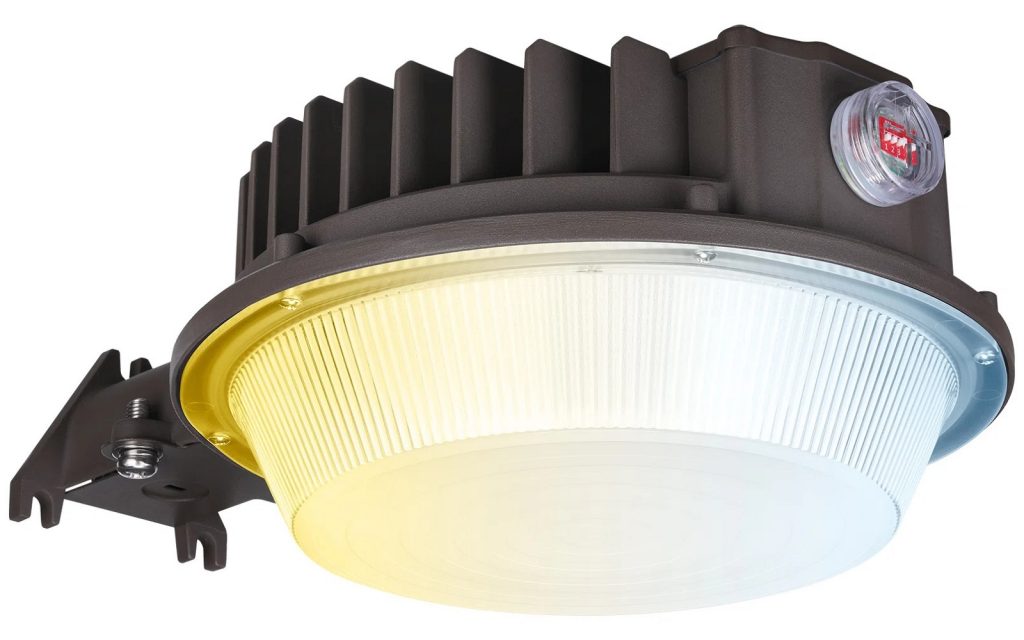
Dimmable LEDs utilize complex circuitry that enables them to lower their light output in response to alterations in input voltage. The next component is the driver, which plays a vital role as it regulates power supply to the LED. It’s essential to pair your LED lights with a compatible driver that supports dimming functionality. Some drivers are designed specifically for use with leading-edge or trailing-edge dimmers, while others are universal and can work with both types.
Comes the dimmer switch itself, which controls the final output of light. Again, compatibility is key here – not all switches can properly handle low-voltage LEDs’ unique electrical characteristics. One must ensure that they select a switch designed for use with low-voltage LEDs. If you’ve ensured compatibility across all three components but still encounter issues like flickering or pulsing light, it might be due to an overload or underload on your circuit.
Some switches require a minimum load to function properly, while others have maximum load limitations. Despite inherent challenges due to their unique nature, successful dimming of low-voltage LED lights is entirely achievable given a thorough understanding of the components involved and thoughtful selection based on compatibility requirements.
Potential Issues with Dimming Low-Voltage Lighting
Encountering the Unexpected: Common Problems
While the advantages of dimmable low-voltage lighting are manifold, it is not without its potential pitfalls. The process of dimming these types of lights can sometimes lead to unexpected issues; however, understanding these challenges can pave the way towards effective solutions.
One common problem encountered when trying to dim low-voltage lights is a flickering or strobing effect. This often occurs due to inconsistencies in the electrical current supplied to the lights. When the voltage fluctuates, it can cause the brightness of the light to vary rapidly and create a flickering effect that can be visually unsettling and potentially damaging for sensitive electronics.
Another issue that arises is an audible buzzing sound. This typically happens when there is an electrical impedance mismatch between the power source and the lighting fixture. As electricity flows through different components at varying rates, vibrations are created, which manifest as this perceptible humming noise.
When Components Collide: Incompatibility Issues
Incompatibility between low-voltage transformers and certain dimmers also poses significant challenges. For example, an electronic transformer might not perform optimally with a leading-edge dimmer designed primarily for incandescent lamps, resulting in erratic light output or potential damage to either component. Additionally, each type of transformer – magnetic or electronic – displays different electrical characteristics that need suitable matching with particular dimmer types.
Failure to consider these nuances often leads to operational issues such as poor performance or a reduced lifespan of either device. Many users encounter problems when employing inappropriate combinations, such as using a trailing-edge dimmer intended for electronic transformers with a magnetic transformer instead – eventually leading to unpredictable behaviors like abrupt switching off of lights or intermittent functioning.
Transforming Troubles into Triumph: Potential Solutions
Although daunting at first glance, these problems often have straightforward solutions. The flickering issue, for example, can be addressed by ensuring a steady, consistent electrical supply to the lighting fixture. This might involve checking and upgrading the electrical wiring or switching to a different type of light that is less sensitive to voltage fluctuations.
The buzzing sound issue can be mitigated by using dimmers specifically designed for low-voltage lighting systems. These dimmers come equipped with features that minimize electrical impedance mismatches and thereby reduce or even eliminate the humming noise.
To avoid incompatibility issues between transformers and dimmers, it is crucial to carefully choose components that are mutually compatible. This will likely involve consulting manufacturers’ specifications or seeking advice from professionals experienced in low-voltage lighting installations.
While there may be some hurdles along the path towards successful implementation of a dimmable low-voltage lighting system, they are not insurmountable. With careful planning and informed decision-making, one can enjoy the myriad benefits of such a system without being troubled by these common pitfalls.
Conclusion: Can Low-Voltage Lighting be Dimmed?
A Bright Possibility: The Capacity for Dimming Low-Voltage Lights
As we have judiciously elucidated throughout the narrative of this comprehensive article, low-voltage lighting, particularly LEDs and halogens, can indeed be dimmed. This viable possibility rests primarily on the pivotal role played by transformers in conjunction with appropriate dimmer switches.
It is essential to remember that not all low-voltage lights are created equal. Therefore, discerning compatibility between transformer types – magnetic or electronic – and dimmer switches is crucial to achieving successful light dimming. For instance, while magnetic transformers harmonize well with leading-edge dimmers, electronic transformers exhibit a more congenial relationship with trailing-edge variants.
Unveiling the Benefits: The Upsides of Dimmable Low-Voltage Lighting
The advantages of having low-voltage lighting that can be modulated according to preference are manifold. First and foremost is energy efficiency: by controlling light intensity, one can regulate power consumption, leading to decreased energy costs over time.
Secondly, adjusting brightness levels caters not only to functional requirements but also aesthetic preferences, thereby enhancing mood and ambiance in any given space. Also worth mentioning is the extended lifespan of your lights, attributed to less strain on their components when operated at lower voltages.
Curating Comfort: The Art of Light Modulation
Dimmable low-voltage lights can transform any physical environment into a reservoir of comfort and tranquility in accordance with individual needs or the collective ethos of any gathering. The soft glow achieved through careful modulation can soften harsh shadows and create an atmosphere ready for relaxation or focused concentration, depending upon conscious calibration.
Revolutionizing Spaces: A New Era in Lighting
The ability to dim low-voltage lighting marks significant progress in the evolution of lighting technology. It underscores the potent synthesis of function and creativity, where light transcends its primary role of visibility to emerge as a tool for setting tone, creating mood, and personalizing spaces.
Final Thought: Embrace the Glow
The advent of dimmable low-voltage lighting heralds a promising era in the realm of customizable lighting. This dynamic feature not only bolsters energy efficiency but also brings in its train an amplified capacity to shape our surroundings with nuanced layers of light. As we stride forward into an increasingly eco-conscious world where personalization is paramount, embracing this innovative glow appears as much a logical progression as a bright possibility.
You may also be interested in the following posts: