
Are LED Tube Lights a Smart Investment?
The Rise of LED Tube Lights
LED tube lights, a product of modern and innovative engineering, have taken the world by storm. They are an embodiment of technological advancement in the realm of lighting, rendering previous models practically obsolete. An integral part of daily life, these luminous marvels illuminate homes, offices, outdoor landscapes, and even industrial settings with unsurpassed efficiency and precision.
LED tube lights come in various forms to address diverse needs – from LED tube vintage lights that merge nostalgia with performance to RGB LED tube lights that offer a rainbow spectrum for creative lighting. There are also specialized versions like solar LED tube lights harnessing renewable energy or smart LED tube lights for those seeking automated lighting solutions.
The Quintessence of Light
The adage ‘let there be light’ underscores the indispensable role lighting plays in our lives. It is not merely about driving away darkness; it’s about setting moods, creating ambiances, and facilitating productivity. Take landscape lighting, for instance; it not only illuminates spaces but also accentuates beauty by highlighting architectural features and natural elements.
In commercial settings such as retail stores or eateries, the right lighting can influence customer behavior while enhancing aesthetic appeal. In residential applications, proper lighting can transform a mundane space into a warm haven or a vibrant hub for social interaction.
The Unnoticed Essential: Lighting in Varied Settings
No matter where you look – from sprawling malls bathed in bright light to cozy homes glowing softly – one common denominator is always present: light itself. This intangible resource has been harnessed over centuries to serve purposes beyond mere visibility.
Industrial settings make use of more robust variants like SMD LED tube lights or COB LED tube lights, which are durable and resilient enough to withstand tough conditions. For scientific purposes such as promoting plant growth in controlled environments or sterilization procedures requiring UV exposure, LED tube grow lights and UV LED tube lights have been developed, respectively.
LED Tube Lights: A Lighting Revolution
In the past, lighting options were limited to incandescent and fluorescent bulbs. However, the advent of LED technology brought about a paradigm shift. Offering better efficiency, longevity, and control over light quality, LED tube lights emerged as a superior contender in the lighting arena.
Several innovative adaptations of this technology, like LED filament tube lights or MCM LED tube lights, offer distinct advantages over their traditional counterparts. Even in niche segments like holiday decorations or event lighting, LED-based solutions such as LED tube string lights have gained popularity due to their versatile applications.
The Brilliance of LED Tube Lighting
LED tube lights are an impressive blend of science and design that can transform spaces while conserving energy. They cater to diverse needs – from practical utility to aesthetic enhancement. Whether it’s a regular household requiring ambient lighting or an artist’s studio needing perfect lighting for their work, LED tube lights provide efficient solutions suiting everyone’s needs.

Their versatility extends beyond standard applications with offerings like LED tube retrofit lights that fit into existing fixtures or even OLED tube lights that promise the future generation of lighting technology. Thus, it is no surprise that in this age where sustainability and innovation go hand-in-hand, these luminous tubes continue to dominate the world’s lighting landscapes.
Decoding the Luminescence: Understanding LED Tube Lights
LED (light-emitting diode) tube lights, are one of the revolutionary options in the lighting industry. Designed to replace the old fluorescent tubes, LED tube lights offer a wealth of advantages, including higher luminous efficacy, longer lifespan, and energy efficiency. These tubes are cylindrical in shape and contain an array of LEDs that emit light when an electric current passes through them. They come encased in diffusers, which can be clear or frosted depending on the kind of light diffusion desired.
LED tube lights have found their way into various spaces such as domestic households, commercial buildings, and industrial areas. Their versatility lies in their capacity to provide high-quality lighting while consuming less power. This amalgamation makes them a top choice for any setting that requires both aesthetic appeal and operational efficiency.
The principal function of LED tube lights is to illuminate spaces efficiently. They provide better brightness levels than traditional forms of lighting like incandescent or fluorescent lamps. Moreover, they have a wide beam angle that ensures comprehensive coverage and uniform light distribution, which plays an integral role in enhancing visibility across large rooms or commercial spaces.
In addition to providing superior illumination, these sophisticated lighting devices also contribute significantly towards energy conservation efforts due to their low energy consumption rates compared to conventional lighting systems. In essence, LED tube lights serve not only as powerful illuminators but also as energy savers, thereby playing dual roles with aplomb.
Unveiling the Mystery: The Science behind LED Tube Lights
The core science behind LED tube lights involves electroluminescence – a phenomenon where light is produced in response to the passage of electric current through a material. LEDs are semiconductor devices that emit light whenever electricity flows through them due to this principle.
A typical LED consists of two layers of semiconductor material. When these materials are connected to a power source, the electric current travels from the negative layer to the positive layer, causing electrons to move and release light in the process.
The color of the light emitted by an LED is determined by the type of semiconductor material used. Therefore, LED tube lights can produce a wide spectrum of colors ranging from warm white to cool white and various colors like red, blue, or green without requiring any filters.
It is also worth noting that unlike traditional incandescent bulbs that waste about 90% of energy as heat, LEDs efficiently convert energy into light, thereby drastically reducing waste and making them a more sustainable lighting solution. Moreover, because they operate at significantly lower temperatures compared to conventional lights, they pose less risk when it comes to overheating or potential fire hazards – another feather in their cap.
The Many Faces: Different Types of LED Tube Lights
The world of LED tube lights is quite diverse, with each variant engineered for specific applications. For instance, SMD (surface mount device) LED tube lights are popular for their higher lumen outputs and wider beam angles, making them ideal for commercial settings like showrooms or offices that require robust lighting systems.
COB (chip on board) LED tube lights, on the other hand, offer high-intensity lighting while maintaining excellent heat dissipation characteristics. They are often used in spotlights or landscape lighting due to their concentrated lighting capability.
Smart LED tube lights can be integrated with home automation systems, allowing users full control over brightness levels and color temperature from their smartphones – a feature that brings lighting control literally into one’s hands!
In unique niches like horticulture, specific types such as LED tube grow lights are utilized. These emit wavelengths suitable for promoting plant growth, hence playing an integral role in indoor farming or greenhouse applications.
For those keen on adding a touch of classic style to modern spaces, LED filament tube lights and LED tube vintage lights offer the perfect blend of retro aesthetic with cutting-edge LED technology. These styles create a warm, inviting ambiance reminiscent of traditional incandescent bulbs while still reaping the benefits of modern LEDs.
Comparing LED Tube Lights with Other Types of Lighting
The Contest between Tradition and Innovation: LED vs Incandescent vs Fluorescent Lights
The allure of LED tube lights is significantly amplified when we compare them to their traditional counterparts, namely incandescent and fluorescent lights. The supremacy of LED, especially LED tube retrofit lights, becomes evident in several key areas. Energy efficiency is a predominant advantage that LED tube lights hold over incandescent and fluorescent lighting.
Consuming only a fraction of the energy to deliver the same amount of light, LEDs surpass their traditional counterparts by leaps and bounds. Incandescent bulbs waste most of their energy as heat instead of light, making them highly inefficient. Even fluorescents fail to match the performance standards set by LEDs.
Lifespan too is an arena where LEDs outshine both incandescents and fluorescents. A typical LED bulb can last up to 50,000 hours or more – that’s almost five years if left switched on continuously! Contrast this with the average lifespan of an incandescent or fluorescent bulb, which ranges between 1,000 and 10,000 hours.
Thus, in the battle for longevity, LEDs unequivocally triumph. When it comes to light quality, LEDs offer clear benefits over both incandescents and fluorescents. Neither flickering nor buzzing is associated with LED tube strip lights or OLED tube lights, unlike older technologies like fluorescents, which often have these unwelcome characteristics.
The color rendering index (CRI) in LEDs also tends to be higher than that seen in traditional lighting options, providing more natural light that better replicates daylight – a key benefit for any space but particularly important for places like art galleries or retail spaces where accurate color representation matters.
Racing Against Modernity: Comparing LED with CFL and Halogen Lights
The competition between LED tube lights and modern lighting technologies such as compact fluorescent lamps (CFL) and halogen lights provides further evidence of the superiority of LEDs. Although CFLs are more energy-efficient than incandescent bulbs, they still cannot compete with the efficiency of LED tube grow lights or solar LED tube lights.
Additionally, unlike LEDs, CFLs contain a small amount of mercury, which makes their disposal problematic from an environmental standpoint. Halogen bulbs, while brighter than traditional incandescents, also fall short when compared to LEDs. They consume more energy, have shorter lifespans, and produce a significant amount of heat.
Consequently, despite being a modern lighting option, halogens fail to outshine MCM LED tube lights or RGB LED tube lights in any meaningful way. In terms of lifespan again, LEDs dominate both CFLs and halogens. With an average lifespan that is five times longer than these modern options, smart LED tube lights provide not just illumination but longevity too.
One must consider the flexibility offered by LED technology in producing different colors without any need for filters, as in the case for other technologies. This capacity is brilliantly displayed by products like LED filament tube lights or UV LED tube lights that can effortlessly shift across a spectrum of colors, creating mood lighting at its best.
Whether we compare LED to traditional or modern alternatives, it shines bright in every aspect – from energy efficiency to lifespan to light quality. From ordinary applications like landscape lighting to specialized ones like using SMD LED tube lights for horticulture, each illustrates how versatile and efficient this technology truly is.
Unveiling the Benefits of LED Tube Lights
The Efficiency and Economical Edge of LED Tube Lights
LED tube lights are epitomes of efficiency, a trait that results in substantial cost savings over time. One might find that these lights, be they solar LED tube lights or SMD LED tube lights, use drastically less electricity compared to their traditional counterparts. Typically using about 50% less electricity than fluorescent tubes, they impart significant reductions in power costs.
Beyond just energy savings, a detailed breakdown reveals potential savings in maintenance and replacement costs as well. The longevity of LED tube lights is incomparable – they can last up to 50,000 hours if not more; this is exponentially longer than conventional lighting alternatives. Therefore, the investment in these eco-friendly lighting solutions pays off not just by reducing energy bills but also by minimizing replacement costs.
A real-life case study further emphasizes this point: A corporate office shifting from fluorescent tubes to RGB LED tube lights reported nearly a 60% reduction in their annual electricity consumption for lighting. Additionally, they experienced fewer interruptions due to bulb replacements thanks to the extended lifespans of LEDs.
A retail store that implemented COB LED tube lights across all outlets observed an average saving of around 45% on their energy bills within the first year itself. Another example includes a warehouse using solar LED tube lights for outdoor lighting purposes that registered lower power usage even during peak hours.
LED Tube Lights: Champions for Sustainable Lighting
The environmental impact of our choices has never been more critical than it is today. In this context too, LED tube lights shine brightly – quite literally! A significant advantage is their lower energy consumption, which means less carbon emissions contributing to global warming – making them a sustainable choice for landscape lighting or any other application.
Moreover, unlike fluorescent tubes that contain mercury (a toxic element harmful to the environment), LED tube vintage lights, LED filament tube lights, or any other types of LED tube lights are free from hazardous substances. This makes their disposal far less damaging to the environment. LED tube retrofit lights and smart LED tube lights are designed not just for functionality but also with the environmental impact in mind.
The sustainability aspect is further enhanced when these LED tube lights are powered by renewable energy sources like solar power. For instance, solar-LED tube lights reduce dependency on conventional electricity, thereby promoting greener choices.
Shining a Light on the Health Benefits
The health benefits of LED tube lighting cannot be overstated. Traditional lighting options can flicker at a rate that causes eye strain and headaches over extended periods of use. However, this is not the case with advanced options like smart LED tube lights or OLED tube lights, which provide consistent light output without any flickering. Furthermore, UV radiation emitted by some traditional light sources can be detrimental to our skin health with prolonged exposure.
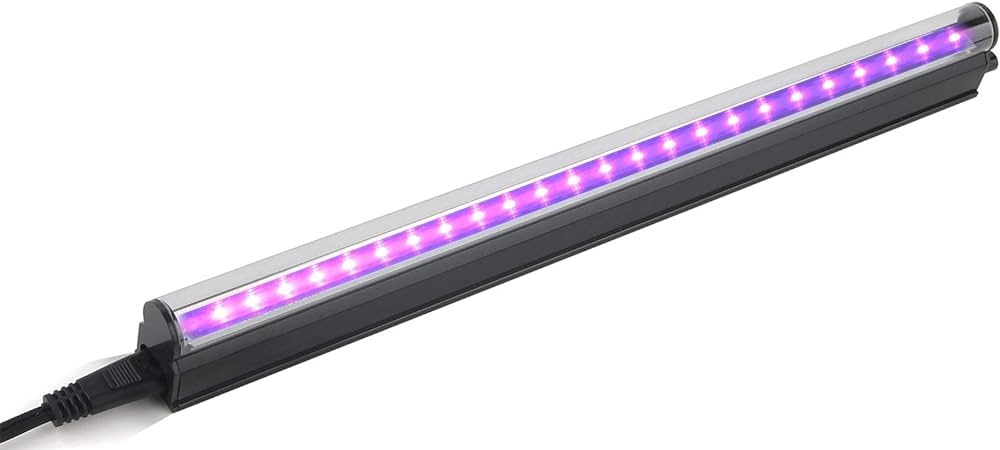
Conversely, UV LED tube lights emit negligible levels of UV radiation, making them safer for regular use. Interestingly, certain types of LED lighting, such as MCM LED tube lights, can positively influence sleep patterns as well. Research suggests that warm-colored LEDs may support better sleep cycles compared to cooler shades emitted by standard bulbs. Whether it’s about saving costs or promoting sustainability or safeguarding health, LED tube lights definitely make for a worthy choice in today’s day and age.
Potential Drawbacks and Limitations of LED Tube Lights
An Overview of the Initial Cost: Investment vs Long-Term Savings
The initial cost of LED tube lights, whether standard or specialized variants like RGB LED tube lights or LED filament tube lights, can be higher than traditional lighting options. This might deter some buyers who are on a tight budget or simply hesitant to make an upfront investment. However, it is important to have a long-term perspective when considering these costs.
LED tube lights typically have an extended lifespan, which can often outweigh the initial investment. These types of lights consume less energy than conventional lighting solutions, leading to significant savings in electricity bills over time. The combination of reduced energy consumption and extended lifespan means that while you may pay more initially for your LED tube grow lights, smart LED tube lights, or even MCM LED tube lights, you are likely to save money in the longer term.
Moreover, advancements in technology have led to the production of more affordable LEDs without compromising on quality and performance characteristics. For instance, SMD LED tube lights provide efficient lighting at a comparatively lower price point. It’s worth noting that there is an increased availability of incentive programs from utilities and government bodies that can offset the initial cost related to switching over to this energy-efficient lighting solution.
Compatibility Issues with Existing Fixtures
One potential hurdle when transitioning from traditional lighting systems to modern alternatives such as solar LED tube lights or COB LED tube lights is compatibility issues with existing fixtures. Some older fixtures may not be designed to accommodate these newer forms of lighting technology without modification.
For instance, retrofitting existing fixtures for UV LED tube lights might require professional electrical skills, which adds extra costs for their installation. On similar lines, certain smart LED setups might need specialized housings or converters before they can integrate smoothly into your existing home automation systems.
However, manufacturers have been working diligently to solve this issue, and many now offer LED tube retrofit lights designed specifically to fit into traditional fixtures. These solutions are a cost-effective way to upgrade your lighting system without having to replace entire fixtures.
Understanding Color Temperature: Light Color Concerns
The color of light emitted by LED tubes can vary greatly, offering the consumer an array of choices. From warm white reminiscent of vintage-style incandescent bulbs, as offered by LED tube vintage lights, to cool daylight hues seen in many commercial applications, LEDs cover the gamut. However, this wide variety can also lead to potential confusion regarding color temperature and its impact on ambiance and mood.
Color temperature is measured in Kelvin (K) and describes whether the light source will appear warm (lower Kelvin numbers) or cool (higher Kelvin numbers). This is an important consideration depending upon where the lights will be used – for example, you might prefer warmer tones for living spaces with landscape lighting setup whereas cooler hues might be more suitable for task-oriented spaces like workshops or home offices.
RGB LED tube lights being a popular choice do help circumnavigate this issue, as their colors can be adjusted according to preference at any given point in time. As we progress further into a technologically advanced era with OLED tube lights and smart LEDs becoming increasingly prevalent, these concerns are expected to become less significant over time.
While there may be hurdles when considering a transition from conventional lighting options to LED tube lights – including initial cost, compatibility issues with fixtures, and understanding color temperatures – these are not insurmountable challenges. With ongoing technological advancements in the field, such as smart LED tube lights or solar LED tube lights, along with increasing affordability over time due to economies of scale, LEDs continue their march towards being the most viable choice for varied lighting applications.
Niche Applications and Lesser-Known Uses for LED Tube Lights
LED Tube Lights: A Boon for Horticulture
In horticulture, the appropriate choice of lighting can have a profound impact on plant growth. The introduction of LED tube grow lights has revolutionized this sector, offering an efficient and effective alternative to traditional grow lights. These smart LED tube lights can be programmed to provide the optimal light spectrum for photosynthesis.
Solar LED tube lights are also increasingly used in outdoor horticulture setups, further enhancing their eco-friendly appeal. The use of COB (chip on board) LED tube lights in particular has been received well by growers due to their enhanced light penetration capabilities.

This attribute assists in stimulating plant growth from the seedling stage right up to harvest. With MCM (multi-chip module) LED tube lights, growers can customize the light spectrum according to specific plant needs – a level of control previously unheard of in horticultural lighting.
Moreover, RGB (red-green-blue) LED tube lights have particularly shown efficacy in promoting healthier plant growth as they cover virtually all color spectrums necessary for photosynthesis. These energy-efficient alternatives minimize utility bills while maximizing crop yield, unlike conventional lighting solutions such as incandescent or fluorescent lamps.
Lighting Visual Media: Use of LED Tube Lights in Photography and Video Production
Lighting plays an unequivocally vital role in photography and video production – it sets the mood, directs attention, and brings depth to scenes. Traditionally dominated by halogen and fluorescent options, this field is witnessing increased adoption of SMD (surface-mount diode) LED tube strip lights due to their exceptional flexibility and refined control over brightness.
LED filament tube lights are another popular choice among photographers due to their vintage aesthetic appeal combined with cutting-edge technology. Their unique design enables them not only to enhance the ambient lighting but also to serve as a prop, contributing to the scene’s overall aesthetic.
RGB LED tube lights are a versatile choice for creating colorful backdrops without the need for gels or filters. OLED (organic light-emitting diode) tube lights, with their ability to emit light from individual pixels rather than relying on backlighting, have garnered interest due to their potential for creating ultra-high contrast ratios and true blacks – a boon for any professional photographer or videographer.
LED Tube Lights: Bringing Life to Aquariums
In aquarium settings, lighting serves more than just an aesthetic purpose; it is paramount in simulating the natural environment of aquatic species and promoting their health. Recently, LED tube retrofit lights have emerged as a viable alternative to traditional fluorescent and incandescent bulbs commonly used in aquariums.
One major advantage is that these UV LED tube lights can be tailored specifically for different aquatic ecosystems. For instance, reef tanks housing corals have specific light spectrum requirements, which can be met more precisely with smart LED tube lights.
Moreover, these LED lamps run cooler than their traditional counterparts, which aids in maintaining ideal water temperature levels. They also consume significantly less power while providing superior brightness and lifelike rendering of colors – making them an increasingly popular choice in both home-based and commercial aquarium environments.
While it’s common knowledge that LED lighting solutions like solar LED tube lights or landscape lighting provide ample benefits over conventional options in most everyday applications, they also offer surprising advantages across various niche domains. A deeper dive into their applications in horticulture, visual media production, and aquarium setups further attests to this fact.
Future Trends in LED Lighting Technology: The Dawn of a New Era
The Rise of Smart LEDs and Integration with Home Automation Systems
The proliferation of LED tube lights is not an end but rather the beginning of an exciting journey. As technology evolves, so does the versatility and functionality of these lights. One key trend that is gaining traction is the emergence of smart LED tube lights. These are designed to integrate seamlessly with home automation systems, providing unparalleled control and customization.
Users can now adjust brightness levels, change color schemes, and even program lighting schedules with ease from their smartphones or voice-controlled devices. Such integration heralds a new era in convenience and energy efficiency, as homeowners can ensure their lights are only on when needed, thereby reducing power consumption significantly.
Imagine walking into your home at dusk to find your living room bathed in soft hues from your RGB LED tube strip lights or coming home late at night to have your landscape lighting automatically guide you safely to your door – all managed by smart LEDs working seamlessly with other automated systems in your home. Going beyond mere functionality, smart LED tube lights can also contribute towards creating specific moods or ambiances within spaces.
Whether it’s setting up a cozy reading nook with warm LED filament tube lights or having vibrant LED tube string lights for festive occasions – everything is just a click away. Furthermore, this integration extends beyond residential environments into commercial settings as well.
Smart LED tube vintage lights can be used to create dynamic retail displays that change throughout the day or season, while offices could leverage these technologies for intuitive and responsive lighting solutions that adapt to natural light conditions. However, this level of automation does come with its own challenges, like compatibility issues among different devices and investment costs, which would eventually be offset by long-term energy savings.
Advancements in Energy Efficiency: The Green Revolution
As concerns about climate change continue escalating worldwide, the LED market is evolving to provide more energy-efficient options. Solar LED tube lights and SMD (surface-mounted device) LED tube lights are some of the solutions leading this green revolution.
Solar LED tube lights leverage sunlight as an energy source, converting it into electricity stored in batteries for use when needed. Such lights are ideal in regions with reliable sunlight and can be used for both indoor and outdoor lighting applications such as landscape lighting or even as LED tube string lights during festive occasions.
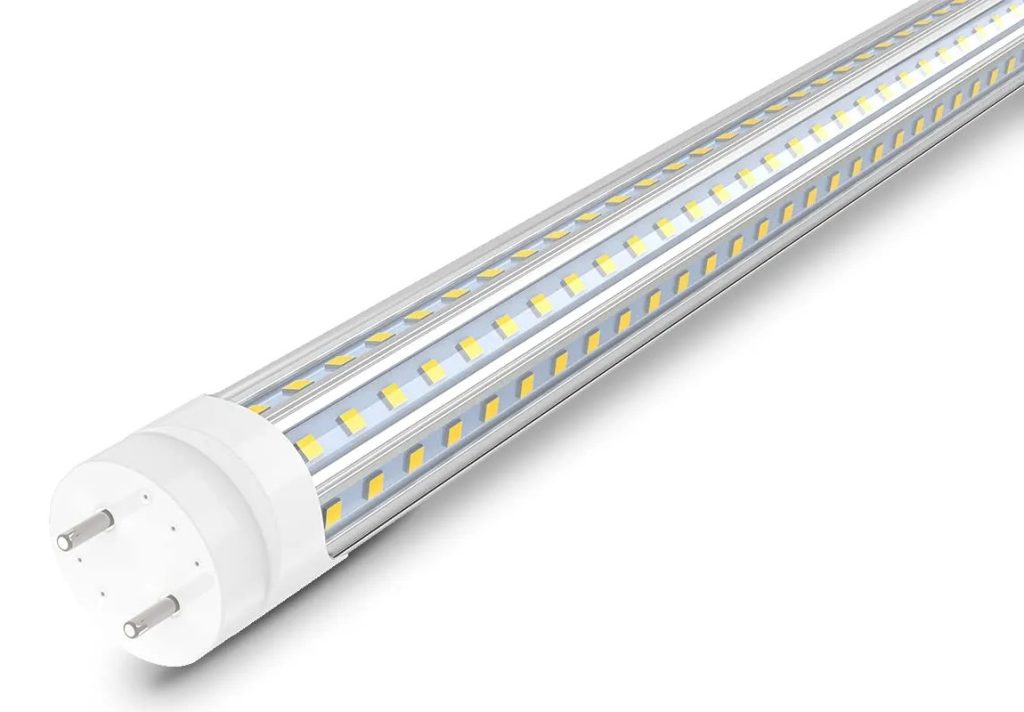
On the other hand, SMD LED tube lights contain multiple LEDs mounted onto a single surface. This design enables them to generate significantly more light output per watt of electricity consumed compared to traditional LEDs. Moreover, their slim profiles make them an excellent choice for spaces where sleek aesthetics matter, like modern offices or retail stores.
In both cases, these advancements contribute towards lesser power consumption, which translates into lower electricity bills and reduced carbon footprints – a win-win situation for both consumers and the environment.
Emerging Applications: Lighting Up Novel Pathways
As we delve deeper into the world of LEDs, it’s not just about lighting spaces anymore. Emerging applications are redefining how we perceive these versatile light sources.
For instance, UV LED tube lights are carving a niche for themselves within medical and industrial settings due to their sterilization capabilities, while COB (chip on board) LED tube lights find application in high-intensity settings like automotive headlights or stadium lighting due to their robust performance characteristics.
Another exciting domain is horticulture, where LED tube grow lights play a transformative role by providing optimal light wavelengths that enhance plant growth year-round irrespective of external weather conditions. Similarly, aquarium enthusiasts often employ specialized RGB (red-green-blue) LED tubes that can simulate natural aquatic environments, promoting healthier habitat conditions for aquatic life.
In another unexpected turn of events, OLED (organic light-emitting diode) technology is making its way into the market too. OLEDs produce light using organic compounds and can be made incredibly thin and flexible – this could revolutionize applications including wearable tech, curved TV screens, and much more. The variety of these emerging applications underscores the vast potential that lies within LED technology.
While LEDs have already reshaped our lighting landscape dramatically over the past decade, it’s evident that their journey is far from over. As we look forward to even more advancements in efficiency, integration with smart systems, and novel uses for LED lights, it’s clear that the future of lighting is bright indeed.
Conclusion: Are LED Tube Lights Worth It?
In the course of this erudite exploration, we’ve dissected and highlighted every facet of LED tube lights, spanning from their technical underpinnings to their diverse applications and beyond. As we reach the end of our enlightening journey, let’s reflect on the crucial question that guided our expedition: Are LED tube lights worth it? The answer, as we have discovered, reverberates with a resounding Yes.
When looking at the environmental aspect combined with cost-saving potentials over time – two significant aspects in today’s sustainable world – LED tube lights clearly outshine traditional incandescent or fluorescent lighting options. Their superior energy efficiency, extended lifespan, and lower heat emission make them not only pocket-friendly but also an eco-conscious choice.
Further adding to their allure is their versatility. From COB LED tube lights’ high-density lighting ideal for commercial settings to SMD LED tube lights preferred for residential spaces due to softer light projection; from solar LED tube lights illuminating outdoor landscapes without adding to your electricity bill to smart LED tube lights bringing digital convenience into your lighting systems – there’s a world of possibilities that awaits exploitation.
LED filament tube lights appease those seeking vintage aesthetics without compromising energy efficiency, whereas RGB LED tube strip or string lights cater to those desiring playful and vibrant lighting designs. Niche applications like UV LED tubes used for sterilization purposes, OLED tubes offering improved color renditions, or MCM (multi-chip module) LED tubes complementing retro-inspired decors further emphasize the extensive applicability of this technology.
However, as is true with any innovation, it’s not devoid of limitations. Some potential roadblocks, such as initial higher investment for retrofitting existing fixtures or concerns about appropriate light color temperature, need careful consideration before transitioning entirely towards this technology.
The Future Brightly Lit by LEDs
Though LED tube lights have already brought about a paradigm shift in the lighting industry, we are yet to witness their full potential. Future trends hint at the increasing convergence of LED technology with smart home systems, paving the way for intelligent and interactive lighting solutions. Experimental sectors like LED grow lights and advancements in energy efficiency indicate that this technology will continue to evolve and redefine our perception of lighting.
Whether you’re exploring options for your home renovations or seeking ways to reduce your company’s carbon footprint, considering LED tube lights is indeed a step towards an energy-efficient, environmentally friendly future. Their benefits indisputably outweigh their minor drawbacks, making them a worthy investment for modern-day lighting needs.
Bright Future Ahead: A Final Word on Lighting
Let us all embrace this radiant LED-lit future with open arms. With every flicker of an LED tube light – be it a vintage filament one adorning your living room or high-density COB shedding light in industrial units – remember that you’re partaking in a technology that’s not just an evolution but quite possibly revolution itself.
So whether you’re installing landscape lighting on your property or experimenting with RGB LED tube strip lights for your next party décor, remember – each diode matters! The path ahead is brightly lit with LEDs. It’s time we stepped forward into this luminous future!
You may also be interested in the following posts: