
A Luminary Guide: Showcasing the Costs of Strip Lighting
An Introduction to Strip Lights: Shedding Light on an Innovative Solution
The world has come a long way from the oil lamps of yore, with countless innovations that light up our nights and brighten our lives. In the recent history of lighting solutions, one innovation stands out for its versatility, aesthetic appeal, and energy efficiency – strip lights.
Often chosen for their ability to fit into narrow spaces and create a seamless line of light, these flexible circuit boards populated by surface-mounted light-emitting diodes or other variations have become a favorite among homeowners, event planners, businesses, and municipalities alike.
Strip lights are not confined to a single purpose but offer varied applications – from providing ambient lighting in homes to creating captivating signage in business contexts or even adorning city streets during festive seasons. A particular favorite application is landscape strip lights; they can transform gardens and walkways into enchanting nighttime vistas, enhancing not just the beauty but also the safety of outdoor spaces.
Despite these advantages, some misgivings persist about strip lights. Chief among them is cost-related concerns – are LED strip lights expensive to use? This question arises due to various reasons, including initial investment costs and assumptions about energy consumption.
The Cost Conundrum: Dispelling Misconceptions
When it comes to modern lighting solutions like LED strip lights or landscape lighting options that incorporate them, misconceptions abound. While it’s true that an upfront investment is required for purchasing these advanced light fixtures compared with traditional alternatives such as incandescent bulbs or fluorescent tubes, this does not provide the full picture.
There’s a common fallacy that equates higher initial cost with overall expense over time. This perception often discourages potential users from choosing sustainable and energy-efficient options like strip lights. But this simplistic view ignores the broader aspects that influence the actual cost of using strip lights, such as energy efficiency, longevity, maintenance efforts, and replacement frequency.
Any comprehensive discussion on the cost-effectiveness of strip lights must consider these factors. By doing so, it becomes apparent that while strip lights may call for a higher upfront investment, their long-term usage can prove to be quite economical. This post aims to delve deeper into these aspects and provide a clearer perspective on the topic – are strip lights expensive to use?
Understanding Strip Lights: A Detailed Exploration
Strip lights, as their name suggests, are a type of lighting that comes in the form of a long strip. More specifically, they are composed of a series of small light-emitting diodes or other light sources placed closely together along a flexible circuit board. Predominantly used for decorative or ambient lighting purposes, strip lights have gained significant popularity in recent years due to their versatility and aesthetic appeal.
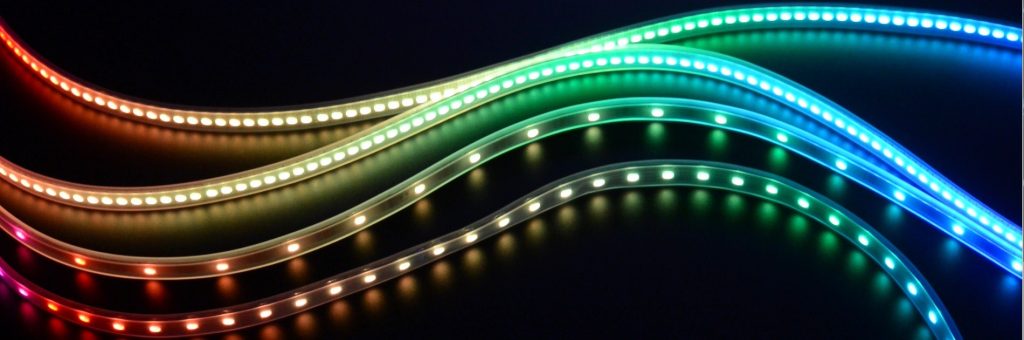
Strip lights come in many forms and styles, which cater to different needs and preferences. LED strip lights, for instance, offer an efficient and long-lasting lighting solution that offers numerous benefits over traditional incandescent bulbs. Neon strip lights, on the other hand, offer a retro aesthetic with their distinctive glow. There are also solar-powered outdoor strip lights designed specifically for landscape lighting applications.
The uses for these versatile lighting strips are as varied as the types available. From enhancing home decor with warm ambient glows to guiding foot traffic with strategically placed landscape strip lights; from creating engaging commercial signage to adding character to event venues – the possibilities with strip light application are virtually endless.
Lifting the Veil: The Technology behind Strip Lights
To truly understand the cost implications of using strip lights – especially when trying to answer questions like ‘Are LED strip lights expensive to use?’ – one must first understand how they work. At its most basic level, an LED is a semiconductor device that emits light when an electrical current is applied to it. This process is known as electroluminescence.
The technology behind LED-based lighting systems such as LED strips has evolved significantly over time and continues to improve on aspects like brightness control and energy efficiency. Unlike traditional incandescent bulbs, which waste up to 90% of their energy as heat, LEDs convert almost all their energy directly into light, making them highly efficient in comparison.
Furthermore, while an incandescent bulb may have a typical lifespan of around 1,000 hours, LED strip lights can last for up to 50,000 hours or more depending on the quality and usage. This extensive lifespan, combined with their superior energy efficiency, contributes to the cost-effectiveness of LED strips over time.
Moreover, advances in technology have also facilitated the creation of smart LED strip lights. These can be integrated with home automation systems, allowing users to customize the color and brightness levels of their lighting according to their specific needs or even mood.
This added feature brings another dimension into landscape lighting design and home decoration. While strip lights – specifically LED types – might have a higher upfront cost compared to traditional lighting options, they make up for it by offering substantial long-term savings both through lower energy consumption and longer lifespans.
In addition to this economic factor, they offer aesthetic value that traditional bulbs simply cannot match. Thus becoming an increasingly popular choice for various applications from simple home decor enhancement to elaborate landscape lighting projects.
Cost Analysis of Using Strip Lights
Purchasing Perspective: The Initial Price
The initial purchase price of strip lights can vary substantially, influenced by a number of key factors. Primarily among these is the length of the strip light; landscape strip lights designed to illuminate large outdoor spaces typically command higher prices due to their extended lengths.
Type is another crucial determinant; LED strip lights are commonly more expensive than traditional neon or fluorescent options. This is attributable to the advanced technology they employ, coupled with their more reliable performance and superior energy efficiency.
Brand reputation also plays a role in the pricing mix. Renowned manufacturers who have staked their reputation on quality and durability often price their products slightly higher. These extra costs, however, often translate into longer lifespans and better warranties.
Comparing strip lights with other forms of lighting solutions reveals an interesting dichotomy. While the initial cost may be higher for strip lights, particularly LED variants, this discrepancy balances out over time thanks to lower energy consumption and maintenance costs.
Operational Costs: Energy Consumption
A detailed breakdown of energy usage by different types of strip lights further underscores their cost-effectiveness. LED strips are designed for low-voltage operation, which drastically reduces electrical consumption compared to traditional bulbs or other light sources. Comparatively speaking, an incandescent bulb operates at around 60 watts, while an equivalent LED strip light uses merely 14 watts.
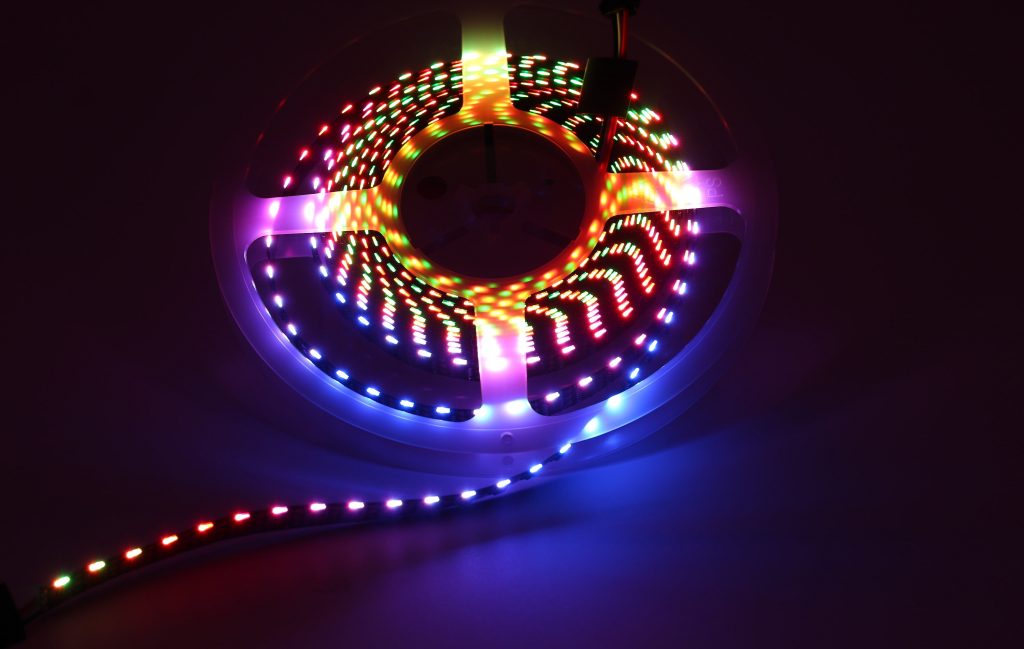
This stark contrast in energy efficiency results in significant savings over time, especially when applied on a larger scale, such as landscape lighting, where multiple light sources are required. Furthermore, not all strip lights consume power equally even within the same category; dimmable models, for instance, can adjust luminosity levels, hence reducing power usage during periods when full brightness is unnecessary.
Sustainability Aspect: Maintenance and Replacement Costs
In terms of longevity and durability too, strip lights, particularly LED variants, outshine the competition. The lifespan of an average LED strip light ranges from 25,000 to 50,000 hours depending on usage and maintenance – that’s approximately three times longer than its fluorescent counterparts.
Maintenance costs are also lower for strip lights. With no fragile filaments or glass components, they resist breakage and wear better than traditional bulbs. They also generate less heat, which reduces risks of overheating and subsequent damage. Examining cost-effectiveness over time reveals the true value proposition of strip lights.
The higher initial purchase cost is swiftly offset by lower operational expenses and minimal maintenance requirements. So, when asked, “Are LED strip lights expensive to use?”, the answer hinges on one’s understanding of long-term value versus short-term expenditure – a concept well-illustrated by this comprehensive cost analysis.
Case Studies: Exploring Real-World Applications and Costs
Residential Use: Casting Light on Home Ambiance and Cost
The use of strip lights in residential settings has skyrocketed, thanks in large part to the aesthetic allure they provide. LED strip lights, in particular, are favored for home decor and ambient lighting. Yet, many homeowners ask, ‘Are LED strip lights expensive to use?’ To answer this question, let’s delve into a cost analysis.
A typical 5-meter LED strip light can consume around 72 watts per hour. If used for five hours daily, that translates to 360 watts a day or approximately 131.4 kilowatt-hours per year. Given that the average electricity rate in the U.S. is around 13 cents per kWh, this comes out to an annual running cost of about $17.
Now consider that the average lifespan of an LED strip is about 50,000 hours. When used five hours daily – a rather generous estimate – it would last roughly 27 years before needing replacement! The initial purchase price might be higher than traditional bulbs, but looking at their longevity and minimal annual running cost, they clearly offer value for money.
In terms of landscape lighting with landscape strip lights, which are more power-intensive than indoor strips due to their weatherproofing features and additional brightness capabilities, you can expect slightly higher running costs but still far less than conventional outdoor lighting solutions.
While upfront costs may indeed be higher compared to traditional lighting solutions for homeowners favoring ambiance or decor-led lighting, over time LEDs prove themselves not just as energy efficient but also as a financially savvy choice.
Commercial Use: Shedding Light on Business Signage and Interior Design
Strip lights have long been popular in commercial settings – from retail shops using them for signage to restaurants utilizing them for interior design purposes. Yet, businesses often worry about the operational costs. Are LED strip lights expensive to use in a commercial setting? The cost analysis is rather similar to residential usage with one notable difference – the duration of use.
Most businesses operate for at least 8 hours daily, leading to higher energy consumption. Using the same 5-meter strip light example from before, an annual running cost for a single strip operating 8 hours daily would be around $27. Yet, it’s essential to factor in the longevity of LED strips and their low maintenance requirements.

Businesses often have multiple lights running simultaneously, and continuously needing to replace traditional bulbs incurs significant labor and material costs that LEDs help avoid. Moreover, due to their versatility and visual appeal, they can also contribute positively towards creating engaging environments that attract more customers, which indirectly contributes towards revenue generation.
For larger-scale commercial landscape lighting using burly versions of landscape strip lights, costs will obviously rise but still offer vast savings compared to conventional outdoor lighting options both in terms of energy consumption and maintenance efforts.
Ask any restaurant or store owner about their experience, and they’ll always contend that while LED strips might have a slightly higher initial expense in terms of procurement, over time, they prove themselves invariably worth every penny spent.
Large-Scale Projects: Analyzing Lighting Expenses for Grand Events
When it comes to illuminating large-scale projects such as city decorations or grand events like festivals or concerts, strip lights make a practical choice thanks primarily to their resourcefulness and adaptability. But are such applications financially sensible when considering energy expenditure? LED strips are incredibly efficient with energy conversion – nearly 80% is converted into light while only 20% is converted into heat.
This efficiency makes them ideal for large-scale use where hundreds if not thousands of meters might be needed for effective lighting. Using our previous calculations as reference – even under massive usage scenarios spanning hundreds of meters – while initial setup costs might appear sizeable, the running and maintenance costs are quite minimal thanks to LEDs’ energy efficiency and longevity.
Particularly for large-scale outdoor events or city landscapes that need durable and reliable lighting solutions, landscape strip lights make an excellent choice. They’re built to withstand harsh weather conditions without compromising on brightness or efficiency, which both adds structural dependability while also ensuring operational cost-effectiveness.
To conclude, regardless of the scale of your project – from a cozy home setup to a sprawling city festival – strip lights, especially the LED variants, prove themselves as a cost-effective lighting solution. While upfront costs may indeed seem daunting, it’s essential to consider their significant lifespan, minimal running costs, and low maintenance needs before making a judgment about their ‘expensiveness’.
Myths vs Facts about Strip Light Costs
Debunking Common Misconceptions about the Expense of Using Strip Lights
Upholding my commitment to conscientious lighting, I dive into the murk of misinformation to shed critical light on the actual costs associated with strip lights, notably those employed in landscaping. A prevalent myth is that landscape strip lights inevitably devour monstrous amounts of energy, leading to exorbitant electricity bills. This myth thrives on the perception that brightly glowing lights must be energy drainers.
Another misconception relates directly to initial cost outlays. Many believe that all types of strip lights, particularly LEDs, come with pricey tags. The fear is not without basis; however, it’s crucial to distinguish between upfront costs and long-term value. Yes, some landscape lighting solutions like LED strip lights tend to cost more initially than traditional incandescent or halogen bulbs.
However, when dissecting this myth further, we find it lacking crucial context: lifespan and energy efficiency. Let’s address a misconception that has been circulating: ‘Are LED strip lights expensive to use?’ While it’s accurate that LED strip lights are more costly initially than standard incandescent bulbs or even fluorescent tubes, they are far cheaper in terms of long-term use due to their impressive energy efficiency and durability.
Clearing Up Confusion: Factual Information about Landscape Lighting Costs
Now armed with a better understanding of these misconceptions, let me enlighten you with factual information starkly contrasting these false tales spun around landscape lighting expenses.
Firstly, regarding energy consumption, contrary to popular belief, landscape strip lights – particularly LEDs – are paragons of energy efficiency. An average LED uses approximately 75% less power than an incandescent light bulb while producing equivalent luminosity. Thus, when you switch on your glorious garden display or commercial signage using LED strip lights, rest assured you’re not summoning a terrifying electric bill.

Addressing the concern about the initial investment: yes, LED strip lights do have a higher upfront cost than conventional lighting solutions. However, their longevity more than compensates for this. Most LEDs boast an operational lifespan of up to 50,000 hours – dwarfing the lifespan of traditional light bulbs many times over. This means you’ll be replacing them far less often, saving on replacement costs and reducing waste.
To answer the burning question, ‘Are LED strip lights expensive to use?’ The cost of using these lights would depend on several factors like wattage, usage duration, and local electricity rate. But given their energy efficiency and durability, they are generally cheaper in long-term use as compared to other types of lighting.
So there we have it – a clear-eyed view piercing through the foggy myths surrounding landscape lighting costs. Armed with this information, I trust you’ll make more enlightened decisions when choosing your next lighting solution.
Tips to Reduce Costs when Using Strip Lights
Choosing Energy-Efficient Models Like LED Strips
LED strip lights are a veritable boon for those seeking high performance with minimal cost. Notably, the LED technology embedded in these lighting implements offers significant energy savings compared to traditional incandescent or fluorescent bulbs. This is largely due to their inherent ability to convert a higher percentage of energy into light rather than heat – making them a more efficient and cost-effective choice.
Moreover, LED strip lights often offer varied lumen levels, allowing users the liberty to decide how bright they wish their lighting solutions to be. This can be beneficial, particularly when considering landscape lighting, where illumination might range from subtle highlighting of architectural features to full-scale visibility of an entire garden or yard.
In addition, LED strip lights provide extraordinary longevity compared to traditional bulbs. As these strips can last tens of thousands of hours before needing replacement, they confer additional savings over time by reducing both purchase frequency and the associated labor costs of replacement.
Optimal Usage Practices to Conserve Energy
To further ensure the efficacy and economic viability of your lighting solutions, optimal usage practices are critical. Firstly, consider using timers or smart home automation systems for your landscape strip lights. These devices can schedule your lights only when needed – preventing unnecessary energy consumption during daylight hours or when you’re away from home.
Secondly, dimmer switches can also play an invaluable role in managing energy use. By controlling the intensity of your light based on varying needs throughout the day (or night), you can essentially dictate how much energy your system consumes.
Consider employing motion sensors for areas that require intermittent lighting, such as driveways or paths within a landscape setting. Through activating lights solely in response to movement within their proximity, motion sensors invariably help conserve valuable energy.
Regular Maintenance Tips to Extend Lifespan
While LED strip lights are noted for their durability, proper maintenance can help ensure they function optimally for the longest possible period. Regular cleaning of the lights can prevent dust and debris build-up, which could otherwise lead to premature dimming or even failure.
Additionally, it is advisable to periodically check your strip light installations for any signs of wear or damage. Any faulty sections should be promptly replaced to prevent more extensive problems that could potentially shorten the overall lifespan of your lighting system.
While water-resistant LED strips are available, it is still wise to avoid exposing any type of strip light to excessive moisture whenever possible. This will not only help maintain the integrity of the lights but also contribute substantially towards their longevity.
Conclusion: Are Strip Lights Expensive to Use?
In answer to our initial question, ‘Are LED strip lights expensive to use?’, the answer is a resounding NO – provided one chooses an energy-efficient model, employs optimal usage practices, and adheres to regular maintenance protocols. Indeed, these luminous strands of potential can effortlessly transform spaces – be it indoor interiors or outdoor landscapes – into enchanting realms without burning a hole in one’s pocket.
So why wait? Light up your world with this astute blend of aesthetics and economy.
You may also be interested in the following posts: