
Uncovering the Truth about String Lights Recyclability
The Luminescence of String Lights: A Brief Overview
String lights, also known as fairy lights, are an adornment that transcends the boundaries of time and culture, adding a touch of whimsy to any setting. These are essentially miniature bulb arrangements strung together on a wire, emanating a speckled stream of light.
Often used for special occasions like Christmas or Halloween, they’ve gradually found their way into everyday decor and have emerged as an alluring way to illuminate homes and outdoor spaces with a magical ambience. Landscape string lights, in particular, have become prevalent in creating enchanting outdoor spaces.
These luminous decorations bring out the beauty and charm of gardens, patios, decks, and other outside areas during nighttime. Whether they’re braided around tree trunks or hung up on fences across backyard retreats, landscape string lights go beyond merely lighting up space; they create an ethereal atmosphere that augments the aesthetic appeal.
‘String’ implies simplicity in design, but each set is quite intricate in its construction. Comprising tiny bulbs soldered onto wires with resistors ensuring long life spans for LEDs or filaments for incandescent varieties, it’s no wonder these simple strings possess such a mesmerizing ability to brighten our world.
Recycling & Environmental Sustainability: A Crucial Endeavor
In our present-day scenario, where environmental concerns top global agendas, recycling has become more than just a buzzword – it’s an indispensable practice aimed at reducing waste and conserving resources.
Recycling involves processing used materials into new products to prevent waste of potentially useful substances, reduce consumption of fresh raw materials, lower energy usage, and decrease emissions from disposal methods such as incineration. This process benefits not just humans but the planet as a whole by minimizing pollution levels and greenhouse gas emissions that contribute significantly towards climate change.
Moreover, recycling is a key element of modern waste management strategies, serving as an effective tool in the constant battle against excessive consumption and unnecessary waste creation. When we talk about recycling, it often conjures images of paper, plastic bottles, or aluminum cans. However, our duty to recycle extends beyond these common materials.
Electronic waste, or e-waste, is a rapidly growing category of trash that requires our attention, and string lights fall within this category. Recycling these products is important because they contain valuable resources – such as metals – that can be recovered and reused. Landscape lighting, including landscape string lights, is no exception to this principle.
These items are equally responsible for contributing to e-waste if not disposed of properly after their useful life span has ended. Henceforth, their recycling not only preserves the material resources they embody but also prevents any potential environmental harm that could arise from improper disposal methods.
Recycling is a vital responsibility we all share towards our planet; it’s an action that reveals our commitment to leaving behind a healthier and more sustainable world for future generations. In the endeavor towards environmental sustainability, every little step, like recycling your old string lights, can make a significant difference.
Understanding String Lights: The Lighting Guide
As we delve into the subject of recycling string lights, a fundamental comprehension of what constitutes a string light is paramount. String lights, also commonly referred to as fairy lights or holiday lights, are a series of small light bulbs connected via a single electrical wire.
They are an enchanting element in any decor setting, illuminating landscapes with their delightful glow and adding an element of warmth and charm. The use of these magical lights spans across various occasions and locations – from Christmas decorations on home exteriors to ambient landscape lighting for parties or simply as mood lighting in bedrooms and living spaces.
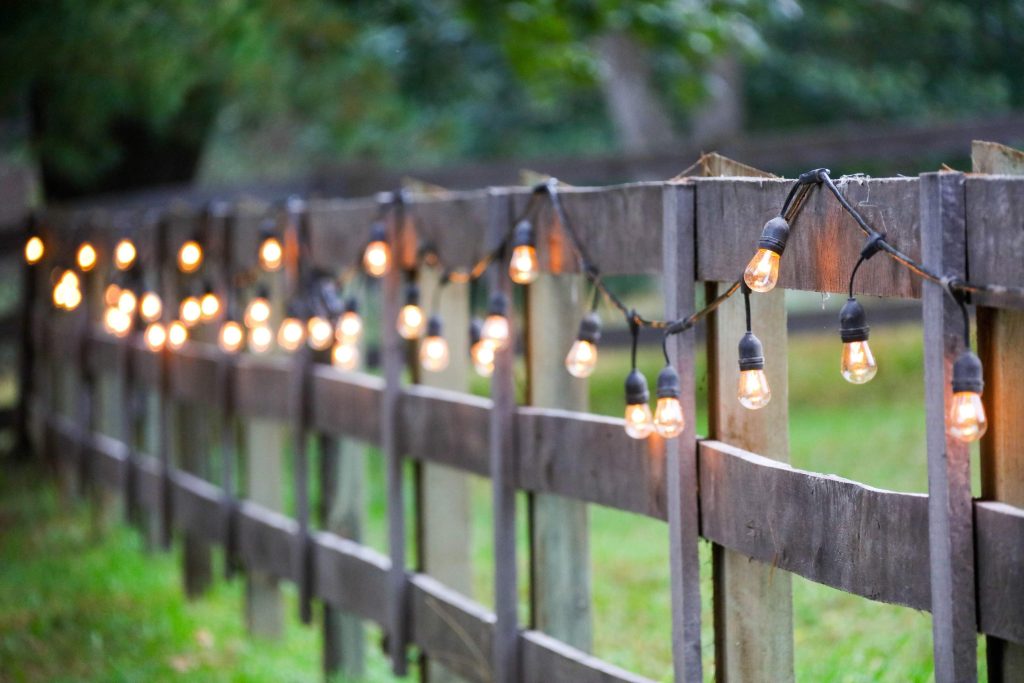
Over the years, their popularity has expanded beyond mere festive adornment towards more regular use due to their aesthetic appeal and versatility. Distinctly versatile in purpose, these twinkling ornaments come in varying forms.
Be it bedazzling party halls or serving as the radiant centerpiece for your patio decor, understanding the different types can help you choose wisely based on functionality, efficiency, and recyclability. And while they might appear similar at first glance – tiny bulbs strung along an electrical cord – there’s much more than what meets the eye.
An exploration into its structure will reveal their true complexity, which is instrumental in comprehending their recyclability potential. Henceforth, let us embark upon this enlightening journey where we explore the mesmerizing world of string lights – commencing with understanding their different types, followed by an examination into their structural constituents.
Classification: A Spectrum of Luminous Varieties
In our quest to unravel string light intricacies, three standout types emerge from the pack: light-emitting diodes, incandescent bulbs, and solar-powered models. Each type brings along its own set of characteristics related to energy efficiency, lifespan, and, of course, recyclability.
LED landscape string lights are the new-age successors to traditional incandescent bulbs. Their popularity is rooted in their energy efficiency, longer lifespan, and diminished heat emission. LEDs also boast a noteworthy aspect concerning our topic in question – they contain no mercury or other harmful substances, making them more environmentally friendly.
Incandescent bulbs, the old faithfuls of landscape lighting, provide warm light and are less expensive than their LED counterparts. However, they suffer from a shorter lifespan and consume more energy. Moreover, they are tricky to recycle due to their filament structure and glass material.
Solar-powered string lights present an intriguing alternative for those seeking eco-friendly lighting options. Harnessing the power of the Sun during daytime hours to function at night reduces reliance on non-renewable energy sources, making them a sustainable choice.
Decoding Components: A Closer Look
Diving deeper into our understanding necessitates dissecting these glimmering wonders into their core components: the bulb or diode itself, the encapsulating material, a miniature circuit board for LEDs, electric wires connecting multiple bulbs, and usually plastic or rubber housing for protection against outdoor elements.
The bulb or diode is where all the magic happens – converting electricity into visible light. This crucial component varies significantly depending upon whether it’s an incandescent bulb or an LED model. The former contains a tungsten filament that glows when heated by electrical current, whereas LEDs utilize tiny semiconductor diodes that emit light when voltage is applied.
The encapsulating material differs too, with incandescent bulbs traditionally housed within glass while LEDs typically use plastic enclosures, which can be easier to recycle than glass depending on local recycling regulations. In LED models, each bulb includes a miniature circuit board responsible for controlling its operation – another layer of complexity when it comes to recycling.
The electric wires are usually composed of copper and coated with insulation plastic. Copper, being a valuable resource, is highly recyclable, but the insulation coating can pose challenges during recycling as it needs to be stripped off.
Last but not least, the protective exterior housing that shields these lights from outdoor elements also factors into their recyclability potential. Depending on its material – whether it’s hard plastic or rubber – this housing can either be easily recycled or discarded in a landfill, making the overall sustainability of string lights a matter more complex than one may initially perceive.
Unraveling the Concept of Recycling
Recycling, a term ubiquitous in our contemporary environmental lexicon, is a process that involves the collection and processing of waste materials to generate new products, thereby reducing the consumption of fresh raw materials. It’s an essential cog in our environmental machinery that helps to preserve natural resources and reduce landfill waste. This concept applies as aptly to cans and paper as it does to landscape string lights or any other form of landscape lighting.
The importance of recycling cannot be overstated. By giving waste materials a second life, recycling prevents unnecessary utilization of fresh raw materials, thereby conserving these precious resources for future generations. Additionally, it serves as an effective means to reduce the amount of waste destined for landfills or incineration, which can contribute significantly towards harmful greenhouse gas emissions.
The very essence of recycling is its cyclical nature; it fosters a circular economy where waste becomes a resource. It reduces the pressure on virgin resources and decreases energy consumption since producing new items from recycled materials often requires less energy than sourcing and manufacturing from scratch.
In terms of landscape lighting specifically – such as string lights – they are composed largely of metal and plastic components that can be repurposed through recycling processes if separated correctly. The effective recycling could potentially save significant amounts of raw material inputs while providing an environmentally responsible solution to their disposal.
Additionally, when we consider landfill space conservation and reduced pollution levels – both air and water – accrued from efficient waste management practices like recycling, it becomes indisputably clear that this practice carries immense importance at both local community levels and on a larger global scale.
Sustainability: A Symphony Orchestrated by Recycling
Often we find ourselves asking how exactly does recycling contribute towards environmental sustainability? The answer lies within its intrinsic nature; recycling is essentially a waste management strategy that promotes the judicious use of resources.
It aligns itself perfectly with the ethos of sustainable development, which advocates for meeting our current needs without compromising those of future generations. By transforming waste into usable materials, recycling reduces pressure on our natural resources.
In the specific context of landscape string lights or other forms of landscape lighting, the plastic and metal components often found in these products can be reused or repurposed, thus reducing the demand for virgin materials. The direct benefit is a significant reduction in environmental degradation caused by extraction processes such as mining or deforestation.

Furthermore, recycling often requires less energy compared to traditional manufacturing processes that use virgin materials. This decreased energy consumption translates to fewer greenhouse gas emissions – one of the primary contributors to climate change.
Therefore, by promoting recycling – even at a micro-level concerning string lights – we contribute towards global efforts to combat climate change. Moreover, recycling contributes towards job creation and economic development – key aspects of social sustainability.
Recycling plants require manpower for collection and processing activities, hence stimulating local economies through job creation. When we recycle items like landscape string lights and other landscape lighting elements correctly and responsibly, we aren’t merely managing waste; we are playing an active role within an environmental symphony that aims to strike a balance between human prosperity and ecological preservation.
Can String Lights be Recycled?
The Recycling Conundrum of String Lights
The question of whether string lights can be recycled is not as straightforward as one might imagine. On one hand, string lights, including those used for landscape lighting, are composed of various materials like plastic, metal, and sometimes glass, the majority of which are theoretically recyclable.
However, the intricacy lies in the intimate merging of these materials, which creates a recycling challenge. The recyclability of string lights largely depends on their design and the resources available at local recycling facilities.
Most facilities do not have the specialized machinery required to separate these constituent parts for individual recycling streams. Therefore, although it is possible to recycle string lights in theory, in practice it proves a much more difficult task due to the lack of adequate equipment at many recycling plants.
Factors Influencing the Recyclability of String Lights
Several factors influence whether or not string lights can be recycled successfully. To begin with, the type of bulbs used plays a significant role.
Incandescent bulbs found in older landscape string light models are often filled with gases that may need specialized disposal procedures. Furthermore, many string light designs intertwine electrical wire with insulated plastic casing and tiny LED bulbs, making them difficult to disassemble for distinct recycling processes. This complexity necessitates specialized machinery for efficient separation and recycling.
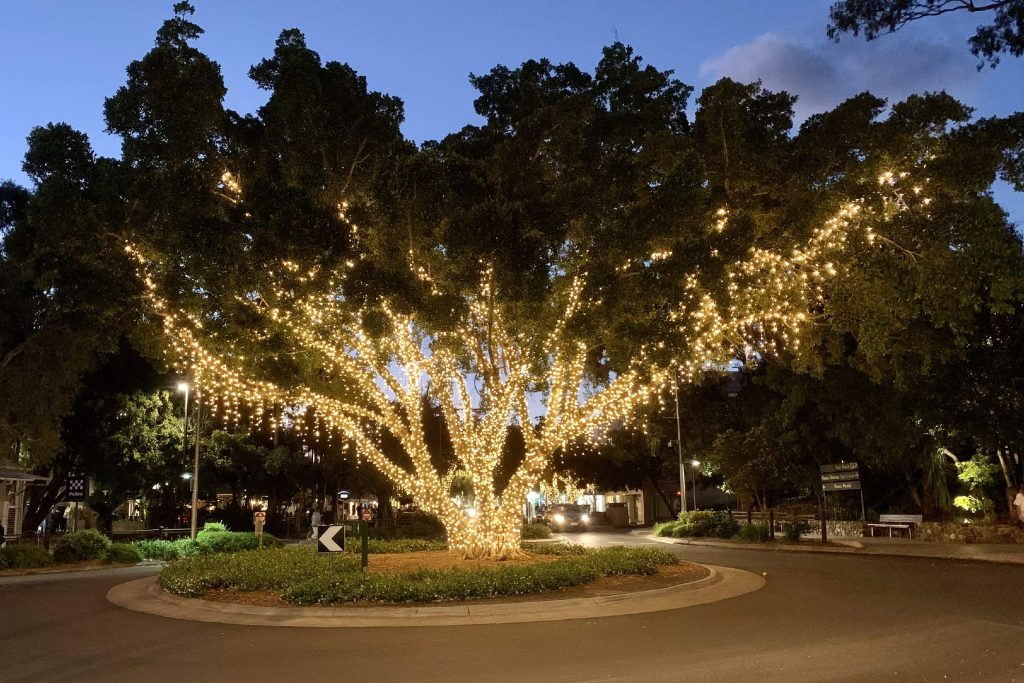
Geographical location also plays a key role in determining if your used or defunct landscape lighting can be recycled. Many urban areas have better access to recycling programs that accept electronic waste, including string lights, compared to their rural counterparts.
Another factor affecting recyclability is the life-cycle stage of your landscape string lights; newer LED versions may last upwards of 20 years or more and therefore seldom require disposal compared to traditional incandescent versions that burn out faster.
But importantly, it is legislation. In some jurisdictions, recycling of electronic waste – including string lights – is mandatory. However, it largely depends on whether these laws are enforced. In areas where they are strictly enforced, more facilities are likely to accept and process such items as opposed to areas where enforcement is lax.
The topic of recycling landscape string lights underscores the broader issue of electronic waste management and the complexities therein. It is therefore crucial that we make conscious choices about our consumption and disposal habits in respect to these products.
How to Recycle String Lights: An In-Depth Guide
Preparing String Lights for Recycling: Disassembling and Identifying Components
The first step in recycling string lights, particularly landscape string lights, requires a careful disassembly of the light strings in order to identify and separate the recyclable components. The central elements of these lights are typically made up of three main parts: the light bulbs, the wire, and the plug. Each part requires a distinctive recycling process due to its different material composition.
For instance, LED bulbs from your landscape lighting can often be recycled separately at specialized facilities due to their electronic nature; however, incandescent bulbs cannot be recycled in the usual manner. In many jurisdictions, they must be disposed of as regular household waste or taken to a specific collection point.
The wire component, typically made from copper or another metal, should also be separated out; this is valuable and widely recycled. Plugs can generally be added to electronic waste recycling due to their plastic and metallic composition.
It’s crucial that you check with local regulations before separating your string lights, as improper handling could potentially pose health risks or legal repercussions. Remember also that batteries from solar-powered landscape lighting need special treatment because they contain materials that are hazardous if not disposed of correctly.
Navigating Local Recycling Programs: Knowing Where Your String Lights Can Go
In terms of local recycling programs accepting string lights, it’s essential to know that not all curbside programs will accept them due to their complex structure. However, many towns host e-waste collection events where you can drop off unwanted electronics – including landscape string lights – for proper disposal. You can usually find out about such events via your local council’s website or newsletters.
Some office supply stores and electronic retailers may also offer in-store recycling bins for small electronics, such as LED landscape lighting. If local recycling is not an option, there are several organizations that offer mail-in recycling programs. These programs allow you to send in your unwanted string lights and have them properly recycled.
It’s important to note that there might be a fee associated with these programs. The onus is really on the consumer to seek out these options and make the effort to recycle their string lights correctly. It might require more effort than regular recycling, but the environmental payoff is significant. By being aware and utilizing such services optimally, landscape lighting enthusiasts can ensure they’re doing their bit towards creating a greener planet.
Specialized Recycling Facilities for Electronic Waste: A Deeper Dive into E-Cycling
Electronic waste, or ‘e-waste’, is a term used to describe old, end-of-life, or discarded appliances using electricity. As such, it includes an array of items – from refrigerators to mobile phones – and indeed, string lights. Given their composition of both plastic and metal parts, string lights fall into this category.
Specialized e-waste or electronic recycling facilities have the proper equipment needed for handling such complex items. They can ensure that each component of your landscape string lights is recycled correctly without causing any harm to the environment. The facilities operate by first manually removing any hazardous components, followed by mechanical processing, which involves shredding the e-waste into smaller pieces.
These pieces are then sorted based on their content: metals are often melted down, whereas plastics can be repurposed into other products. In addition to protecting our natural landscape from potential contaminants found in e-waste like lead or mercury, these specialized centers also play a significant role in conserving natural resources by salvaging reusable materials and decreasing the demand for virgin resources.
To conclude, correct disposal of your landscape string lights is essential to minimizing environmental impact. By understanding the process, identifying local resources, and making use of specialized facilities, you can ensure that your love for landscape lighting doesn’t compromise your commitment to our planet’s future.
Unraveling the Tangle: The Complexity in Separating Materials
The task of recycling landscape string lights is a daunting one, primarily due to the complexity involved in separating the materials. These luminous decorations are composed of various elements, including copper, glass, plastic, and sometimes even precious metals like silver or gold. The process of dismantling and separating these materials can be laborious and intricate.
String lights are typically designed for durability and weather resistance in order to withstand outdoor conditions as part of landscape lighting displays. This often means that individual components are fused together to ensure longevity and resist environmental damage.
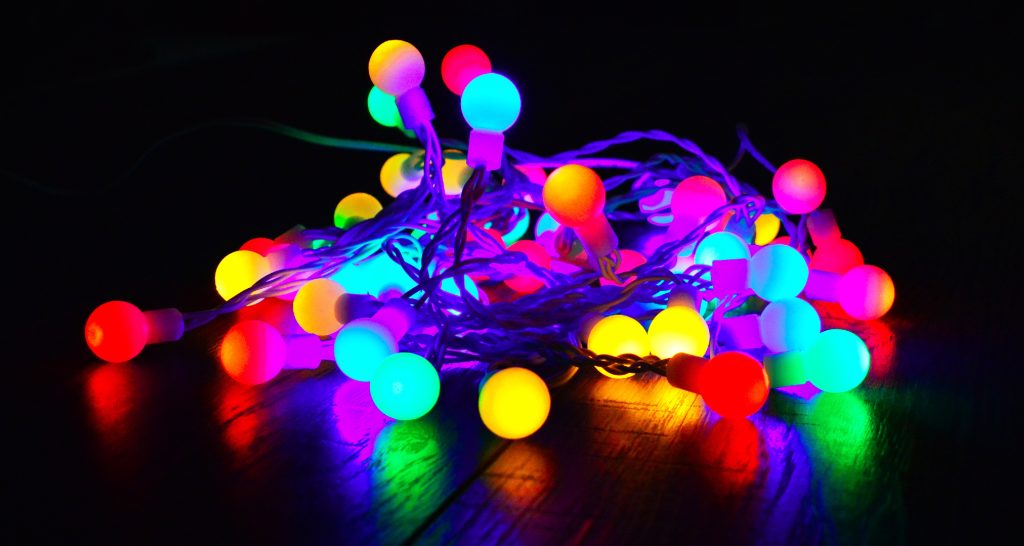
While beneficial for function, this design aspect poses significant challenges when it comes to breaking down the components for recycling. Furthermore, within each bulb of a strand of string lights lies a wire filament that is coated with phosphor – an added layer that complicates the separation process.
Removing this filament without damaging other recyclable parts requires precision and careful handling, which adds another level of complexity. Moreover, most string lights also contain PVC insulation, which is not only tough to remove but also presents environmental concerns when disposed of improperly.
While there have been advancements in technology that allow for more efficient separation processes, such as hydrometallurgical methods or biotechnological approaches, these methods are not yet mainstream due to high costs associated with their implementation. Strings themselves pose another unique challenge as they knot easily; tangled strings complicate the disassembly process even further, slowing down this already intricate procedure.
Elusive Sanctuaries: Limited Number of Facilities that Accept Them
Another significant obstacle on our path towards recycling string lights revolves around the scarcity of facilities equipped to handle them appropriately. The complex nature necessitates specialized machinery and expertise, which many conventional recycling centers lack.
Even among those facilities that claim they accept electronic waste or e-waste (a category under which old landscape lighting could potentially fall), not all are set up to process string lights. This is because string lights require tailored techniques due to their unique composition – a combination of electronic waste and, in some instances, household waste.
Furthermore, while most municipalities have recycling programs in place for common items like paper, plastic, or even certain electronics, the same cannot be said for landscape string lights. The very specific and specialized nature of these items often leaves them out of mainstream recycling efforts.
Additionally, the lack of widespread recognition regarding the importance of recycling landscape lighting exacerbates this issue. Without public demand or legislative pressure for such services, many facilities simply choose not to invest in the necessary resources to accept and process these types of materials.
There are numerous challenges associated with recycling string lights – from the complexities involved in separating their components to the lack of facilities that can accept them. However, with increased awareness and technological advancements, there is a hopeful future in overcoming these obstacles.
From Waste to Wonder: Repurposing Old String Lights
The idea of repurposing or reusing old string lights presents a creative and environmentally friendly alternative to recycling.
In particular, with a bit of innovation, these once-bright displays can be converted into something both functional and aesthetically pleasing. Landscape string lights, for instance, can be given a second life as part of a DIY project. Twine them around an old ladder or grapevine wreath for rustic lighting decor.
Another option is weaving string lights into glass jars or bottles to create enchanting lanterns that add charm to any space. These DIY projects not only extend the lifespan of the item but also bring an idiosyncratic touch to your home decor or outdoor landscape lighting.
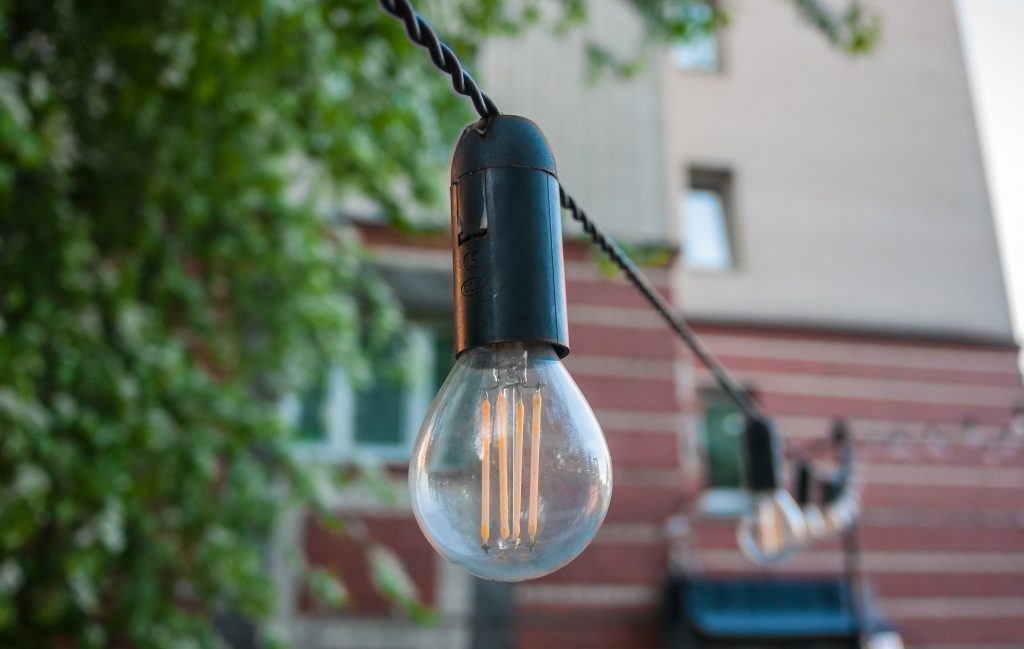
Furthermore, string lights have the potential to serve educational purposes as well. They can act as practical tools in teaching basic concepts of electricity and circuits to young learners in an engaging manner.
From crafting homemade lamps to creating light-up clothing accessories, there’s no limit on creativity when repurposing these lighting strings. However, it is important to note that while repurposing is indeed an excellent way of extending the usefulness of an item, care must be taken with electronic items such as string lights, which carry potential safety hazards if mishandled.
Therefore, always ensure that any attempts at repurposing adhere strictly to safety guidelines. Instead of discarding old landscape string lights into landfills or attempting strenuous recycling methods, consider breathing new life into them by transforming them into distinctive pieces that brighten up your surroundings in more ways than one.
A Sparkling Contribution: Donating Working String Lights
Donation stands as another viable alternative when dealing with working string lights that are no longer needed. By donating, you not only prevent functional items from ending up in landfills but also extend their lifespan by passing them on to someone who needs them. There are a plethora of organizations and charities that welcome the donation of working string lights.
These range from thrift stores to non-profit organizations running events where string lights can create a warm and inviting atmosphere. Donating your old landscape lighting, for instance, can serve multiple purposes – saving energy, reducing waste, and illuminating public spaces or events.
When choosing where to donate your functioning string lights, consider organizations that could use them for practical purposes. Schools and community centers often require landscape lighting for outdoor activities during evening hours or festive decorations around holiday seasons.
Homeless shelters may also appreciate donations of these items to brighten up shared areas. The act of donating functions as a win-win scenario: it allows the current owner to declutter responsibly while offering another party the opportunity to obtain necessary resources at no cost.
It’s an action that not only serves individuals but communities as well. In essence, by donating working string lights instead of tossing them heedlessly away or recycling unnecessarily, you contribute positively towards societal welfare and environmental protection – ensuring their radiant glow continues to shine elsewhere.
A New Dawn: Technological Advancements Paving the Path to Sustainability
The inexorable march of technology has always been a harbinger of change, often making what was once unimaginable a reality. In the realm of landscape lighting, particularly with respect to string lights, this trend is no exception. The ever-evolving technological landscape has been instrumental in developing more sustainable and environmentally friendly lighting options.
LED lights are a prime example of how technological advancements have revolutionized the landscape lighting industry. Compared to traditional incandescent bulbs, LEDs are considerably more energy-efficient and longer-lasting. They consume less electricity and minimize the demand on natural resources. Furthermore, their longevity reduces replacement rates – translating into less waste being funneled into our environment.
Solar-powered string lights represent another significant milestone in sustainable lighting technology. By harnessing the power of the Sun – an abundant renewable energy source – these lights embody environmental sustainability. These energy-efficient alternatives liberate homeowners from dependency on traditional power grids, promoting a greener lifestyle.
The introduction of smart string lights has also paved the way for better control over energy consumption patterns while offering innovative ways to light up landscapes beautifully and responsibly. Enabled by advanced sensors and wireless technology, these smart lights can be programmed to switch off automatically when not needed or be dimmed according to ambient light levels.
Innovations like recyclable LED modules are also noteworthy contributors towards an eco-friendly future for landscape string lights. These modules can be easily removed from their fixtures for recycling without requiring disassembly of entire units – thereby enhancing waste management efficiency while reducing environmental footprint.
Lighting Conscientiously: The Case for LED and Solar-Powered String Lights
As we look towards a greener future, it behooves us all as responsible global citizens to make conscientious choices that reflect our commitment to environmental preservation – especially in areas as commonplace as landscape lighting. Opting for LED string lights is a step in the right direction.
LED lights offer a range of benefits over traditional incandescent or halogen bulbs – they are far more energy-efficient, have a substantially longer lifespan, and produce less heat. Their superior longevity also means fewer replacements and consequently lesser waste, thereby contributing positively to our recycling efforts.

Solar-powered string lights are an equally potent tool in our quest for sustainability. As the name suggests, they utilize solar energy – a renewable source – to power up, making them an ideal choice for landscape lighting. They require no external electricity source, thus reducing dependency on non-renewable energy sources and lowering carbon emissions.
Moreover, both LED and solar-powered string lights come in a myriad of designs and styles, offering aesthetics without compromising on environmental responsibility. Whether it’s to brighten up your patio or add a festive touch to your garden, these eco-friendly options cater to all tastes while prioritizing sustainability.
As we move into the future, both technological advancements and informed choices must go hand in hand in shaping an environmentally conscious landscape lighting culture. By choosing LED or solar-powered options for our string light needs, we can contribute significantly towards forging a brighter, greener future.
Conclusion: Can String Lights Be Recycled?
The Importance and Challenges in Recycling String Lights
Through our exploration, it has become apparent that recycling string lights, particularly landscape string lights often used for outdoor decoration, is a task of substantial importance and not without its challenges. An essential conduit of festive cheer and landscape lighting aesthetics, these twinkling lights represent far more than meets the eye. They encapsulate issues of environmental sustainability, waste management, and material conservation.
The challenges encountered in the recycling process are manifold. Due to their complex construction involving an array of materials such as glass, metal wires, and plastic coatings intermingled into their design, disassembly can be a laborious process. Additionally, the limited number of facilities equipped or willing to accept these items further exacerbates the situation. Yet despite these hurdles, it remains a salient eco-responsibility for us to recycle these items when possible.
Not only does this practice help conserve valuable resources by reincorporating them into the production cycle, but it also alleviates pressure on landfill sites while reducing harmful emissions associated with waste disposal. It becomes vitally important then to not dismiss or understate these challenges but instead confront them head-on by fostering innovation in recycling technologies and strategies.
Guiding Pathways: Encouraging Responsible Disposal & Eco-Friendly Alternatives
As we flicker towards a greener future illuminated by sustainable practices, responsible disposal and selection of environmentally friendly alternatives are key stepping stones on this journey.
Landscape lighting provides an excellent exemplar context where such changes can be implemented effectively. When faced with old or non-functional string lights, resist the temptation to discard them haphazardly into general waste bins.
Instead, seek out local recycling programs or specialized e-waste facilities that may accept these items even if it entails holding onto them for a little longer till such drop-off points become accessible. Simultaneously, consider alternatives to conventional string lights, which might prove more eco-friendly.
LED or solar-powered landscape string lights are prime examples of this shift towards sustainability. They consume less power, have a longer lifespan, and, in the case of solar-powered options, also harness renewable energy sources, thereby reducing our carbon footprint.
Moreover, reusing or repurposing these lights allows us to extend their lifecycle and find novel applications for them beyond their traditional function as landscape lighting. Their brightness might dim over time, but it’s our ingenuity that can keep the light of sustainability burning bright.
Recycling string lights is a symbolic act showcasing our commitment towards responsible consumption and environmental stewardship. It may not be a road smooth or straight, but each step taken on this path leads us closer to preserving the natural landscapes we often illuminate with these very string lights.
Shedding Light on References
In conducting thorough research for this exposition on the recyclability of string lights, particularly landscape string lights and their role in landscape lighting, several authoritative and reputable resources have been consulted. These sources have provided invaluable knowledge and insights that are instrumental in creating a comprehensive understanding of the topic at hand. The importance of these references cannot be underestimated as they form the backbone of this meticulous discourse.
String Lights and Their Environmental Impact
The environmental implications of string lights are a subject matter firmly grounded in scientific study. Various scholarly articles, research papers, and journals have been referred to to gain insight into this topic. These include the ‘Impact Assessment Study on Christmas Lights’, published by the European Commission, which provides an in-depth analysis of the environmental effects associated with both LED and incandescent string lights.
Recycling Policies and Regulations
To understand the practicalities involved in recycling string lights, numerous governmental policies, regulations, and guidelines have been reviewed. Resources such as United States Environmental Protection Agency (EPA) guidelines on electronic waste disposal provide crucial regulatory information about managing used or discarded electronics, including landscape lighting fixtures.
Innovation in Eco-Friendly Lighting Solutions
The development towards more environmentally friendly options for both indoor and outdoor lighting, including landscape string lights, is a fast-paced area of innovation. Scholarly articles like ‘Progress & Challenges with LED Lighting’, published by Yale Environment Review, offer profound insights into future sustainable options for lighting solutions.
The Future Landscape of String Lights
To paint a glimpse into what the future might hold for landscape lighting, particularly with respect to recycling or eco-friendly alternatives, credible news sources like The Guardian’s article titled ‘The Future is Bright: Light Pollution Solution will change nightscape forever’ were immensely helpful. Such resources not only enlighten us about existing challenges but also instill hope for a sustainable future with more environmentally conscious lighting solutions.
You may also be interested in the following posts: