
Optimal Color Lighting for Landscapes: Beautify with Elegance
The Luminous Symphony: A Prelude to Landscape Lighting
Landscape lighting, at its essence, is the artful application of lighting to enhance and complement the natural beauty of outdoor spaces. It is not only a means to extend the functionality of these areas into twilight hours and beyond but also a powerful tool in creating ambiance and accentuating key features. Successfully executed landscape lighting can transform ordinary gardens, patios, or lawns into enigmatic nocturnal wonderlands or serene havens of respite.
Akin to painting on a darkened canvas with varying intensities and tones of light, this aspect of landscaping requires an intricate understanding of both technical aspects such as light direction and intensity as well as intangible elements like mood setting and aesthetic appeal. It’s about deftly striking a balance between practical considerations like safety and architectural lighting with artistic concerns such as shadow play or reflection effects.
The proliferation of energy-efficient lighting technologies like LED has further expanded the horizons for landscape lighting design. These advancements allow for customizable color options while offering a longer lifespan than their traditional counterparts, enriching possibilities for creative expression and innovative design solutions.
Chromatics in Shadows: The Intrinsic Role that Color Plays in Landscape Lighting
In delving deeper into the intricacies of landscape lighting, one quickly realizes that color is not merely an ancillary decision but rather a critical determinant that significantly impacts the overall outcome. The choice of light color can make or break an outdoor lighting scheme; it can either dramatically highlight desired features while obscuring less appealing ones or disastrously wash out textures, flattening out what could have been a beautifully layered scene.
Color temperature, measured in Kelvin (K), plays an essential role in determining how warm (yellowish) or cool (bluish) your lights appear. Lower color temperatures create cozy amber hues resembling candlelight’s glow, while higher ones produce crisp white light comparable to midday sun. This understanding of the Kelvin scale allows designers and property owners alike to manipulate moods within outdoor spaces.
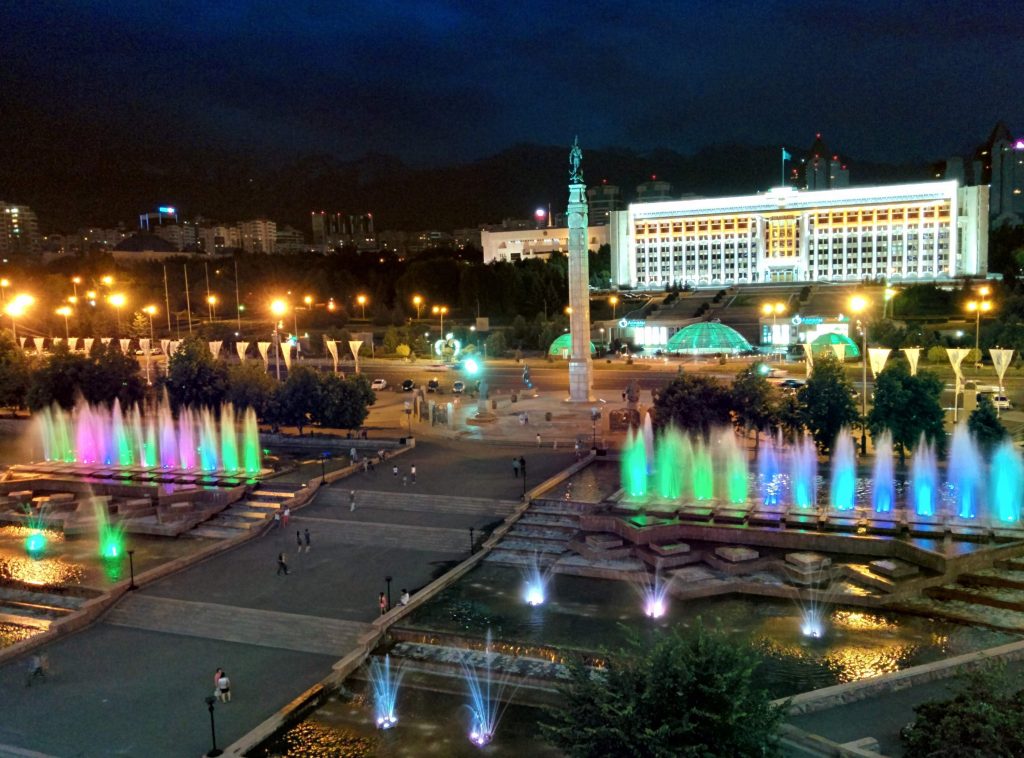
The choice of color can dramatically alter the perception of a space. Warm lighting creates an intimate, welcoming atmosphere and is often used in lounging or entertainment areas. It also enhances earthy tones in wooden structures or autumnal foliage. Conversely, cool lighting produces a vibrant, energetic ambiance suitable for highlighting modern architecture or water features.
Furthermore, colored lights are not just limited to holiday decorations but can be utilized year-round for added drama and whimsy in your landscape design. Whether it’s ethereal blue lights creating an enchanted garden feel or subtle green uplighting accentuating leafy canopies, colored lights offer endless opportunities for unique visual storytelling through landscape lighting.
Color selection in landscape lighting is far from a purely aesthetic decision – it is indeed strategic and consequential. It is not just about painting your outdoors with beautiful lights but essentially how these colors work harmoniously with the existing natural palette while serving their functional purpose efficiently.
Understanding Light Color Basics
The Enigma of Color Temperature: The Kelvin Scale
The color temperature of light is a fundamental concept in the discourse of landscape lighting. It finds its roots in the scientific arena, specifically in the Kelvin scale. Named after Baron Kelvin, this scale starts at absolute zero, defined as 0K and equivalent to -273.15 degrees Celsius or -459.67 degrees Fahrenheit, where all thermal motion ceases.
In practical terms, when it comes to light sources like LED lights for landscape lighting, the color temperature is expressed in degrees Kelvin (K). This is due to an intriguing fact about heated materials: they emit light. For instance, if you heat a piece of steel in a forge, it will first glow red (low temperature), then white (higher temperature), and finally blue-white (highest temperature).

This rule can be applied broadly across various light-emitting sources. Lights with a low color temperature will emit a warmer (redder) light, while higher temperatures emit cooler (bluer) lights. For instance, traditional incandescent bulbs have a very warm white color that ranges between 2700K and 3000K on the Kelvin scale.
In contrast, moonlight’s cool bluish hue sits around 4500K on the same scale. Therefore, understanding the interaction between color and temperature through the lens of the Kelvin scale can greatly enhance one’s ability to choose appropriate landscape lighting.
Warm versus Cool Light Colors: An Enlightened Dichotomy
In layman’s terms or everyday conversation, you’ll often hear references to warm or cool colors of light. It might seem initially perplexing, but essentially these are labels for certain ranges on our aforementioned friend – the Kelvin scale.
The warm colors typically include hues from red to yellow, which are associated with a sense of comfort, coziness, and relaxation. Warm lighting options usually fall below 3000K on the Kelvin scale and are often used in living rooms or bedrooms. These emulate the comforting glow of the setting sun or a crackling bonfire.
On the other hand, cool colors span from green to blue-violet. These colors are linked with calmness, serenity, but also alertness. Cool light is usually above 4000K on the Kelvin scale and often used in workplaces or study areas as they mimic the invigorating light of midday.
In terms of landscape lighting, warm lights can highlight architectural details or specific focal points within your landscape, such as a sculpture or a beautiful tree. On the flip side, cool lights can bring out natural greens and blues in plants and lend an ethereal charm to water features.
Deciding between warm and cool light consequently boils down to understanding not just temperature but also color perception and desired ambiance.
The Prism of Perception: How Light Colors Influence Our Environment
Color is not simply an artful element; it’s an influential component capable of shaping perceptions about space around us. The human eye perceives different wavelengths of light as different colors; thus, our brains interpret these signals into what we know as color perception.
The color rendering (how accurately we see other colors under this light) differs under varied lighting conditions. This becomes particularly crucial when selecting landscape lighting, where accuracy in rendering plant colors could make all the difference. Understanding this science behind optics helps apprehend why every color has its own unique impact on our mood and cognition.
For instance, reds are stimulating while blues have calming properties; greens denote life while whites express purity. In context to landscape design, bluish-white tends to make an area seem larger and more open, whereas warm yellow light can make the same space seem cozier and more intimate.
Also, cooler lights can express a modern, sophisticated vibe, while warmer tones might suggest a rustic, homely feel. Therefore, comprehending how different colors affect our perception of the surroundings is of paramount importance in choosing the right landscape lighting.
Factors to Consider when Choosing Landscape Lighting Color
Fulfilling the Purpose: Lighting with Intent
Consider the purpose of the area to be illuminated; this carries a significant influence on your choice of light color. For instance, an area meant for entertainment would benefit from warm and inviting tones, while one used predominantly for security would necessitate clear, bright lighting that does not distort colors.
If the goal is to showcase certain elements in your landscape, such as sculptures or fountains, accent lighting in neutral tones might be ideal. However, for a path or driveway, you may choose a cool white light to generate a clear passage, avoiding any potential hazards.
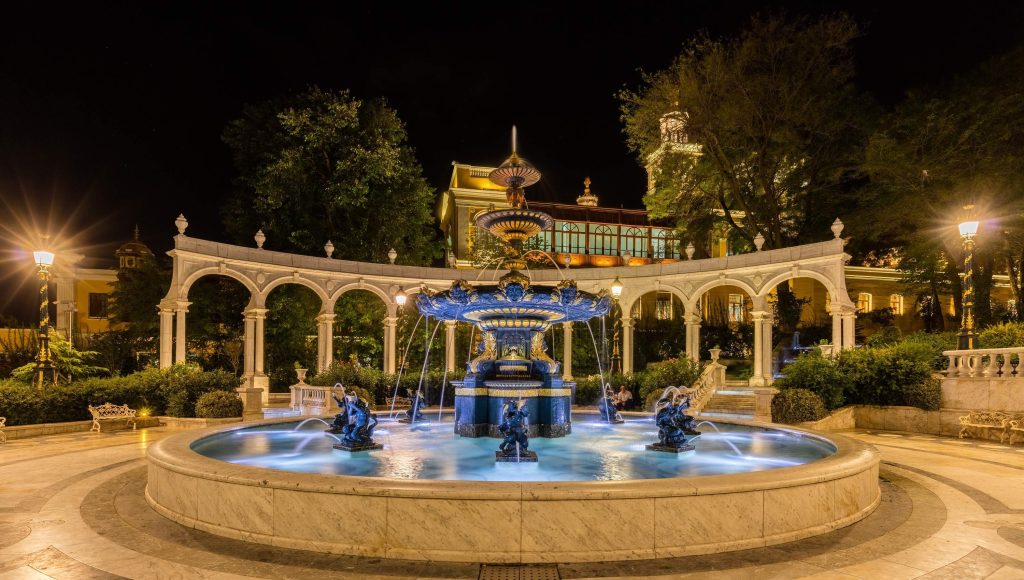
Moreover, if the intention is to attract attention to a particular plant species or architectural feature during nightfall, subtly colored lights could be employed. Green lighting can dramatize green-foliage plants, while blue light can add depth and mystery to water features.
For gardens that act as havens for nocturnal creatures like bats and insects, consider using low-intensity warm lighting that minimizes disturbances to their natural behavior. Remember that various parts of your landscape can serve different purposes and thus require different types of lighting – all contributing collectively towards the overall aesthetic.
Blending with Surroundings: Harmonizing Light with Landscape Elements
The second vital consideration when selecting appropriate landscape lighting is analyzing surrounding elements. Different landscapes have unique features that interact differently with various hues of light. Plants are integral parts of landscapes and exhibit vast diversity in coloration.
Warm lights often enhance greens and browns, thereby heightening the beauty of leafy plants and timber structures, respectively. Cool white lights on water features produce dazzling reflections, amplifying their charm after sunset.
Architectural elements too have their own charm, which can either be amplified or subdued under artificial lighting. Beige sandstone walls reflect warmly under yellow-toned light, while metallic structures like steel or aluminum appear more impressive under cool white or neutral light.
Surrounding natural elements – hills, woods, open skies – also influence the choice of your landscape lighting color. A well-lit yard set against a dark forest may benefit from softer light colors to avoid stark contrast. Remember, the goal is not just to light your landscape but also to ensure this lighting interacts harmoniously with surrounding elements.
Creating an Atmosphere: The Mood Dictated by Light
The desired mood or atmosphere of an environment is significantly influenced by the color of its light. The spectrum of warm to cool colors can create everything from a cozy and intimate atmosphere to a fresh and lively one.
Warm lights are often compared to a fireplace glow – they are intimate, inviting, and relaxing. They can make large spaces feel cozier and are ideal for areas where you might entertain guests or engage in relaxing activities.
On the other hand, cool white lights are bright and energetic. They resemble daylight conditions and are suitable for creating an active atmosphere. This makes them excellent for areas where tasks need focus – cooking areas in outdoor kitchens or workspaces in garden sheds.
If you want something more dramatic, colored lights come into play; blues can mimic twilight conditions, giving a mysterious vibe, whereas greens can blend with foliage, providing a sense of expansion.
Each color has its own emotional significance too: reds invoke passion, while purples denote luxury. Thoughtfully deciding on what mood you wish to create will guide you towards making the perfect decision when it comes to selecting the proper light color for your landscape.
The Intricacies of Light Color for Landscape Lighting
Warm White Light: A Homely Glow in the Night
The warm white light, often characterized by a yellowish hue that resembles sunlight at dawn or dusk, is a popular choice for landscape lighting. It is typically used to create a comfy and welcoming ambiance. Ideal situations for its usage include intimate outdoor spaces like patios, decks, and garden paths where people tend to gather for relaxation or socialization.
This color pleasantly illuminates various elements of the landscape. For instance, it enhances earthy colors present in wooden architecture, stone structures, and specific types of foliage. It casts softer shadows, making the surroundings seem more natural and less artificially lit. A prime example would be an outdoor dining area adorned with warm white fairy lights intertwined with overhead vines. The light reflects off the green leaves, creating a charming atmosphere ideal for peaceful dinners outdoors.
Cool White Light: Highlighting the Subtleties
Cool white light lies on the other end of the spectrum, emitting a clear, bright glow that closely resembles daylight at noon. This is best suited for highlighting details and enhancing visibility in large outdoor areas such as driveways or security-sensitive zones around your property. Such lighting helps accentuate modern architectural designs owing to its crispness.
Furthermore, it lends vibrancy to any water features by creating sparkling reflections on their surfaces while retaining their inherent cool tones. Consider an expansive lawn adorned with abstract sculptures illuminated by cool white spotlights from different angles; this creates captivating patterns of light and shadow, adding depth and intrigue to your exterior space after sundown.
Colored Lights: Painting with Luminescence
Colored lights are an exciting option that can transform your nighttime landscape into an enchanting wonderland. Ideal situations include themed parties or events where you want to create a festive atmosphere. Different colors influence the landscape uniquely.
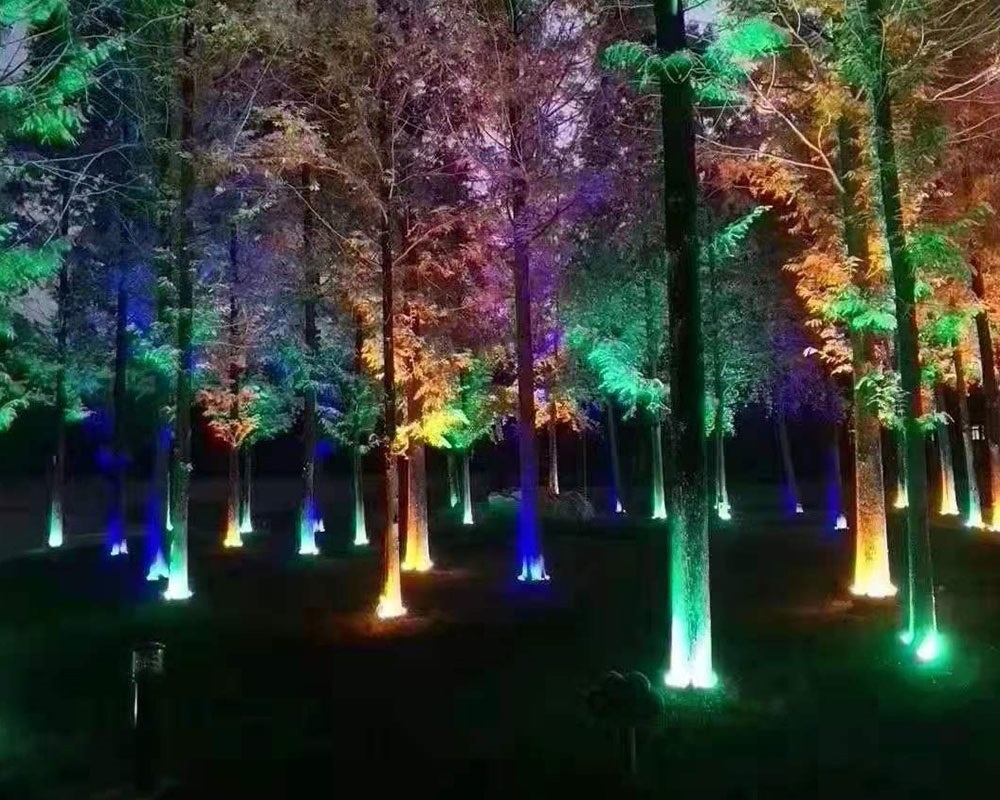
While red light can highlight warm-toned flowers, green light might be used to emphasize lush foliage, and blue light is perfect for enhancing water features or crystal decor, creating an ethereal environment. During the holiday season, homeowners often decorate their gardens with multicolored lights, resulting in a vibrant spectacle that boosts the celebratory mood.
A New Era: Advanced Techniques and Considerations
Modern landscape lighting design involves more than simply choosing a color. Layering lights of different colors provides depth and interest to your exterior space. For instance, lighting a garden path with warm white while accentuating surrounding plants with cool white can create an engaging contrast.
Additionally, colored filters can serve as easy solutions to modify existing light fixtures. This strategy lets you change the ambience of your outdoor spaces without investing in new lighting equipment.
Seasonal changes also play an essential role in color selection. Light colors that complement blooming flowers in spring might not suit fall’s rustic palette. Therefore, adaptive lighting designs that take into account such variations are pivotal for year-round appeal.
Beware of Common Pitfalls
In pursuit of nighttime beauty, it’s possible to make mistakes that could negatively affect your landscape’s charm. Overpowering natural beauty with too much artificial light can rob your space of its inherent tranquility; subtlety is key when lighting outdoors. Ignoring the effect on neighbors can also lead to disputes; ensure your landscape lighting doesn’t intrude onto their property or disturb them at night. Moreover, consider maintenance; lights placed within reach of sprinklers may require frequent cleaning or replacement if water damage occurs.
The Future Glow: Emerging Trends
Future trends likely revolve around incorporating smart technology into landscape lighting solutions, providing complete control over color and intensity through smartphone apps or AI-enabled devices like Amazon Alexa or Google Home.
Conclusion: What Color Light is Best for Landscape Lighting?
Choosing the right color for landscape lighting is an art that combines aesthetics, functionality, and technology. As we move forward, aiming to enhance our nighttime living spaces, it is exciting to envision how innovations will further transform our landscape into breathtaking panoramic canvases after dusk. Let’s continue to use light responsibly and creatively, ensuring a brighter and more vibrant future for all.
You may also be interested in the following posts: