
The Luminescence of Landscaping: Understanding Landscape Lighting
Landscape lighting is a concept that goes beyond merely illuminating an outdoor space. It is an art and science, intertwining design, functionality, and technology to create a harmonious ambience. Landscape lighting brings structures, plants, and other elements of your outdoor space to life after sunset.
This lighting aims not only to enhance visibility but also accent features – creating drama, effectuating moods, and establishing a unique aesthetic. The science behind landscape lighting involves understanding the various sources of light available: natural or artificial.
Artificial lighting is necessary when natural light from the sun isn’t present or sufficient. This artificial source can come in two forms: low-voltage or high-voltage landscape lighting.
More than Meets the Eye: The Multitudinous Benefits of Landscape Lighting
Landscape lighting might first be viewed as a mechanism for nighttime visibility; however, its purpose extends far beyond that. This external lighting increases security by deterring unwanted visitors while simultaneously making paths safer for navigation.
Additionally, strategically placed lights highlight the architectural features of your home or business premises and the surrounding landscape’s beauty. By creating depth and intrigue in these spaces at nightfall, it adds significantly to the property’s visual appeal – an essential aspect for those intending to sell the property at some point.
Moreover, landscape lighting offers practical benefits – for instance, enhancing outdoor usability. It allows homeowners to enjoy their gardens or patios during nighttime hours comfortably – a significant advantage during warmer months when nights are often more pleasant than mid-day heatwaves.
Navigating Nightscapes: Low-Voltage vs High-Voltage Landscape Lighting
In exploring artificial sources further – particularly regarding landscape lighting – one must delve into two categories: low-voltage (typically 12 volts) and high-voltage (usually 277|480 volts) systems.
In the United States, 480V three-phase AC power is commonly used for commercial and industrial applications. The 480V refers to the voltage measured between any two phase conductors, while 277V denotes the voltage between a single phase conductor and the neutral.
Low-voltage landscape lighting is often the preferred choice for residential properties due to several advantages, including ease of installation, lower operational expense, and overall safety. Given the reduced power level, a transformer is necessary to convert high-voltage household electricity into usable low-voltage.
On the other hand, high-voltage landscape lighting is predominant in commercial and public settings due to its capacity to cover larger areas with brighter light. This system necessitates careful handling during installation because of increased risk factors associated with higher voltage levels.
Consequently, choosing between low-voltage or high-voltage landscape lighting pivots upon understanding their respective characteristics and gauging how these align with your specific requirements. As you journey through this article’s subsequent sections, you will acquire a more profound comprehension of these two systems, equipping you with practical knowledge to make an informed choice about proper landscape lighting.
Low-Voltage Landscape Lighting: A Comprehensive Study
A Glimpse into Low-Voltage Landscape Lighting
Low-voltage landscape lighting, as the name suggests, operates at a significantly lower voltage than traditional residential lighting systems. These systems function on 12 volts as opposed to 277|480 volts and are known for their gentle lighting and energy efficiency.
The low-voltage system is achieved by a transformer, which reduces the standard home voltage to a lower level. With lower energy consumption, these lights are an appealing eco-friendly choice for homeowners.

The aesthetic of low-voltage landscape lighting can be appreciated in various settings. From illuminating walkways for safety to highlighting garden elements after sunset, these lights have found considerable application in residential and commercial landscapes.
However, their utility extends beyond mere aesthetic enhancement. They can also be effectively employed for providing security by deterring potential intruders.
Unearthing the Benefits of Low-Voltage Landscape Lighting
One of the predominant advantages of low-voltage landscape lighting lies in its energy efficiency quotient. Given that they function at a tenth of the power used by standard systems, they drastically reduce electricity usage, thus leading to considerable cost savings over time.
Safety is another appealing aspect of these light fixtures. The risk associated with electrical shock is minimized due to reduced voltage, which makes it a suitable choice, especially in homes with children or pets. Moreover, unlike high-voltage systems that may pose fire hazards if incorrectly installed or damaged, low-voltage lights are considerably safer.
Flexibility is key when it comes to designing with low-voltage lights due to their small sizes and easy portability. They offer a wide range of styles, from path lights to spotlights, enabling homeowners to enhance specific features in their gardens or yards without disturbing existing landscaping designs.
Mastering the Installation Process
Installing low-voltage landscape lighting involves a series of essential steps. First, devise a lighting plan involving the positioning of the fixtures and laying out the cable routes.
Second, install the transformer, which will be plugged into an outdoor GFCI outlet for reducing voltage. Third, lay the cables along your planned route without attaching any lights yet. Fourth, install light fixtures along your cable path while ensuring all connections are properly sealed against moisture ingress.
Despite being relatively simple, this process can have its pitfalls. One common mistake involves overloading a transformer by connecting too many lights or using bulbs with higher wattage, resulting in poor performance or even system failure.
Artistry in Low-Voltage Landscape Lighting Designs
Low-voltage landscape lighting designs have evolved beyond functional lighting to become an art form in their own right. For instance, the use of spotlighting can accentuate specific features like trees or architectural elements, creating dramatic effects after sunset.
Similarly, pathway lighting not only provides safety but also creates enchanting patterns when used creatively with different fixture styles and placements alongside walkways or staircases. In essence, low-voltage landscape lighting offers a plethora of opportunities to illuminate our outdoor spaces with greater efficiency, flexibility, and, above all, safety.
High-Voltage Landscape Lighting: An In-Depth Analysis
A Closer Look at High-Voltage Landscape Lighting
Delving into the essence of high-voltage landscape lighting is vital to comprehending its fundamental characteristics. Unlike their low-voltage counterparts, high-voltage lights operate on standard 277|480 volts of three-phase alternating current. This higher voltage facilitates an extensive reach with fewer connections and allows for more potent luminosity – a salient characteristic that proves advantageous for large-scale applications.
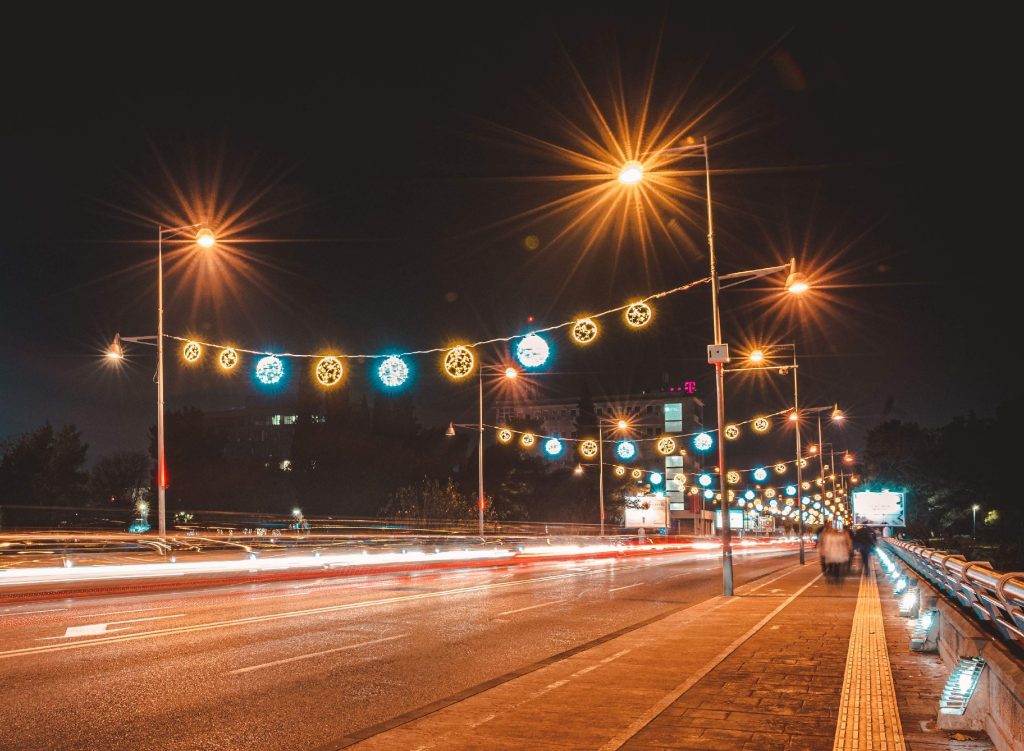
High-voltage landscape lighting typically manifests in robust fixtures engineered to withstand both elemental inclemencies and the test of time. They often require dedicated electrical circuits and professional installation owing to their heightened potential for risk and complexity – aspects covered in ensuing sections.
Typical Applications of High-Voltage Lighting
In broad strokes, high-voltage lighting systems find their best use in large landscapes where significant lighting is required. Given their capacity to offer brighter light, they are often employed in public or commercial settings like parks or expansive garden areas where the large coverage area necessitates superior lighting capabilities.
Furthermore, due to their inherent intensity, these lights are commonly utilized for security purposes. Their powerful rays can efficiently deter unsolicited trespassing under cover of darkness – a feature that makes them a preferred choice for lighting building perimeters or parking lots.
Bountiful Benefits: Brightness Levels & Durability
The prime allure of high-voltage landscape lighting lies within its harbored potential for imparting impressive brightness levels. With their potent electric current flow, these lights can illuminate sizable outdoor spaces with unerring ease while preserving clarity and visibility – an attribute highly commended by those who manage extensive properties or commercial venues.
Besides brightness levels, another core benefit associated with high-voltage lights concerns their durability amidst harsh weather conditions. As these fixtures are designed to draw a higher voltage, they are often structurally fortified to withstand the rigors of extreme climates, ensuring a steadfast performance regardless of environmental adversities.
Installation Considerations: Safety Paramount
The installation process associated with high-voltage lights demands professional intervention. Given the risk potential tied to their substantial electric flow, it is imperative that these fixtures be installed by licensed electricians who possess the requisite knowledge and expertise. Amateur or DIY installations bear an elevated risk of electrical mishaps – a factor that necessitates professional involvement.
Moreover, installations typically require adherence to local safety regulations and electrical codes – facets best interpreted and implemented by trained professionals. Therefore, when considering the installation of high-voltage lighting, it’s advisable to stay on the side of caution and seek expert assistance.
Exemplary High-Voltage Landscape Designs
While high-voltage lighting may primarily be lauded for its practical benefits, it can also contribute significantly towards aesthetic enhancements when deployed effectively. For instance, strategically placed high-voltage spotlights can accentuate architectural details or natural elements within a landscape, creating an enchanting nocturnal ambiance that radiates sophistication.
Similarly, in commercial settings like recreational parks or outdoor dining areas, artful placement of these lights can create inviting spaces imbued with warmth and security. Thus, despite their chiefly functional role within landscape design scenarios, they undoubtedly hold potential as facilitators of visual allure too.
Conversion Kits: Switching from High-Voltage to Low-Voltage (or vice versa)
The Rationale Behind Opting for Conversion Kits
The reasons for considering a conversion kit are multifold and can be tailored to unique circumstances and preferences. One of the primary motivating factors is energy efficiency. Low-voltage landscape lighting systems are remarkably efficient, consuming less electricity than their high-voltage counterparts, thereby reducing utility bills significantly over time.
Furthermore, low-voltage systems tend to offer greater flexibility in terms of design and layout options. This allows homeowners to continually experiment with different lighting effects without requiring extensive electrical work.
Safety is another compelling reason for opting for a conversion kit. Owing to the reduced power voltage, low-voltage lights pose lesser risks in case of accidental contact or damage.
However, there may be cases where homeowners wish to switch from low-voltage landscape lighting to high-voltage ones. High-voltage lights are generally brighter and are more suitable for larger landscapes or areas where intense lighting is required.
Demystifying the Process: How to Use Conversion Kits Effectively
Switching between high-voltage and low-voltage landscape lighting using a conversion kit can seem daunting initially due to its technical nature. However, with due diligence and appropriate precautions, even amateurs can accomplish this task successfully.
Firstly, it’s essential that all power sources connected to the system be turned off before starting any work related to electricity. Once safe to do so, identify which lights will be replaced or converted and remove them according to manufacturer instructions.
Typically, a conversion kit consists of a transformer that facilitates the change in voltage requirements of your landscape lights. Install this transformer by connecting it directly into your home’s main electrical supply and following any provided manufacturer guidelines closely.
The next step involves setting up the new lights or modifying existing ones as per the conversion requirements. Pay special attention while attaching wires; ensure the right connections are made to avoid short circuits and other electrical hazards.
Once everything is installed and connected, carefully test your new lighting system, making adjustments as necessary for optimal performance. Regardless of whether you’re converting from low voltage to high voltage or vice versa, it’s pertinent that you carefully evaluate your needs before starting this endeavor.
Remember that while conversion kits offer a great deal of flexibility and cost-savings in the long run, they require an upfront investment of time and resources. Therefore, make sure this switch aligns with your overall landscape design vision and practical constraints before embarking on this journey.
Choosing Between Low-Voltage and High-Voltage Landscape Lighting: Factors to Consider
The Dilemma of Energy Consumption and Cost Effectiveness
The energy consumption and cost effectiveness of landscape lighting are pivotal factors that should inform your decision between low-voltage and high-voltage options.
Low-voltage systems, by definition, use less electricity. This makes them not only more eco-friendly but also more cost-effective in the long run. The lower energy use directly translates into lower utility bills, making this an economically prudent choice for homeowners. However, it’s important to factor in the initial purchase and installation costs as well.
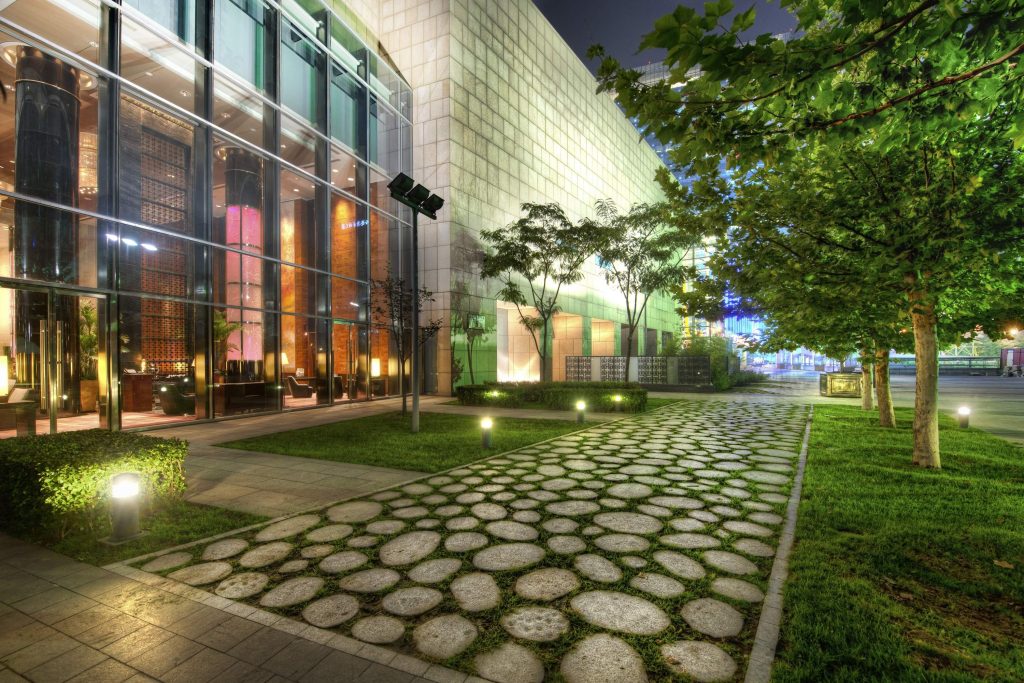
High-voltage systems tend to be pricier upfront due to their power output and durability. Additionally, they may necessitate professional installation, which can add to the initial expense. Yet when you consider maintenance costs over time, high voltages might end up being cost-effective too. Their robust design usually means they require fewer replacements and repairs than their low-voltage counterparts.
In essence, it’s a balance of short-term versus long-term costs – immediate expenditure against ongoing expenses. Each homeowner will have a different tolerance level or budget limit for these factors, which will influence their ultimate choice. One additional consideration is that advances in LED technology have made low-voltage lights brighter than ever before, potentially reducing the need for higher-voltage options based on light output alone.
Navigating Light Intensity Requirements Based on Area Size
The area size that requires lighting also plays a significant role in deciding between low- or high-voltage landscape lighting. For smaller gardens or pathways, low-voltage lights often furnish sufficient brightness while highlighting key features effectively.
On the other hand, larger spaces, such as expansive lawns or driveways, may benefit from high-voltage lighting due to its superior brightness and wider coverage. High-voltage lighting can proficiently illuminate sizable areas, providing both aesthetic appeal and increased security.
It’s important to remember though that the objective is not merely to flood the area with light. Rather, strategic positioning of lights can create visually appealing effects and even make spaces appear larger than they are. This can be achieved effectively with both low- and high-voltage systems when designed well.
High-voltage systems do offer greater flexibility in terms of light intensity adjustment, though, generally offering a wider range of brightness levels, which can be advantageous for larger landscapes. Ultimately, the decision will depend on factors like the size of your property, landscape features you want to highlight, and your desired level of lighting.
Safety Considerations: Keeping Children & Pets in Mind
Safety should be a paramount consideration when choosing between low- or high-voltage landscape lighting. Low-voltage lights are generally considered safer due to their lower power output.
They present less risk in terms of potential electric shock or fire hazards, which makes them a preferred choice for households with children or pets who might come into contact with outdoor fixtures. However, it’s crucial to note that any electrical system poses some degree of risk if improperly installed or maintained.
Even low-voltage systems need to have their wiring installed correctly without loose connections that could possibly short out and cause safety issues.
In contrast, high-voltage solutions require more careful installation due to their higher power output. In many cases, professional installation is required – or at least strongly suggested – because mistakes could lead to severe electrical shocks or fire risks. Yet once properly installed, high-voltage systems pose little risk during normal operation as long as they remain undisturbed.
The key lies in ensuring a proper initial setup followed by regular maintenance checks. Thus, while low-voltage systems inherently present fewer hazards, with the right installation and care, both types of lighting systems can be safely used in your landscape.
Unraveling the Complexities of Installation
The complexity of installation could be another defining factor in choosing between low- and high-voltage landscape lighting. Low-voltage lighting is generally simpler to install.
The lightweight nature of these fixtures allows for easy handling and positioning. In addition, being safe to touch even when switched on means you can adjust their position after installation. As long as you have some basic DIY skills, you may be able to avoid hefty professional installation fees by doing it yourself.
However, getting the layout and positioning right to create a pleasing light design can still be challenging. It’s also imperative that all connections are made correctly to prevent short-circuits or other electrical issues down the line.
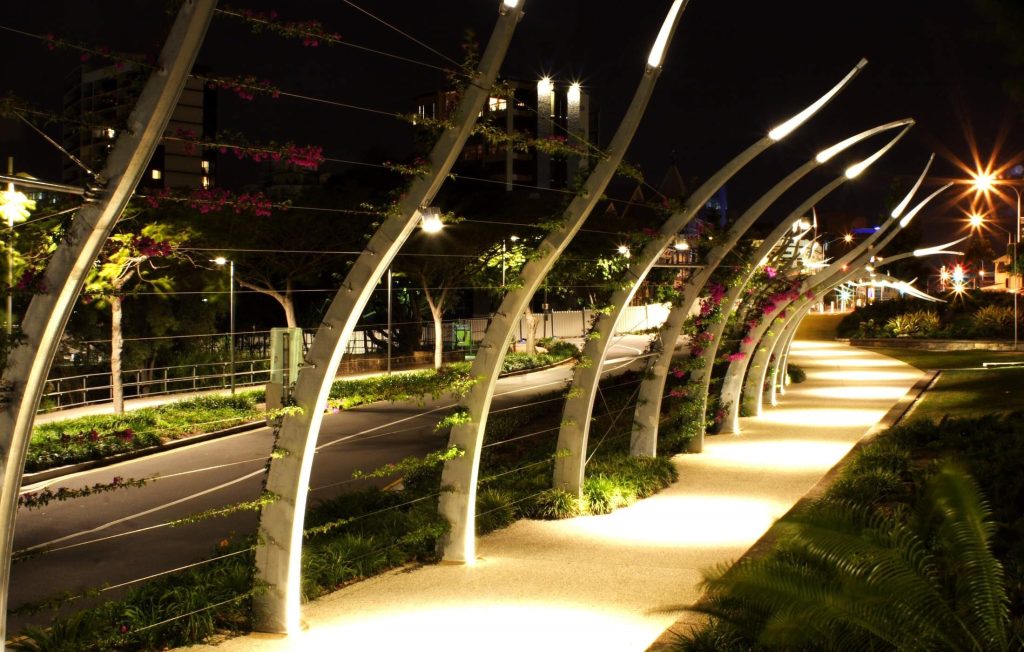
High-voltage lighting systems, on the other hand, typically require professional installation due to their higher power output. Any mistakes during a DIY attempt could not only damage the system but pose serious safety risks too.
While this makes high-voltage systems sound dauntingly complex – and indeed, they do involve more than a simple plug-in setup – once installed by a professional, they are generally robust and require little further adjustment or tinkering. This reduces the likelihood of issues arising from poor self-installation or well-meaning but misguided adjustments later on.
Maintenance Tips for Both Low- and High-Voltage Landscape Lighting
Consistent Cleaning and Upkeep
To ensure your landscape lighting system’s longevity, regular cleaning is essential. Over time, dirt and debris can accumulate on the light fixtures, potentially diminishing their output and overall performance. In the case of low-voltage lights, a gentle wipe with a soft cloth should suffice. For high-voltage systems, you may need to use special cleaning solutions recommended by the manufacturer.
Periodic Bulb Replacement
Although LED lights last much longer than traditional bulbs, they will eventually need replacement. Make it a routine to inspect your lighting setup for any signs of dimming or burnout. The process of replacing bulbs in both low- and high-voltage systems is straightforward, but be sure to follow safety protocols, especially when dealing with high-voltage units.
Routine Electrical Checkups
It is prudent to perform regular electrical checkups for both types of systems. This includes examining wires for any signs of fraying or damage, ensuring that all connections are secure, and verifying that transformers (in the case of low-voltage systems) are functioning optimally. High-voltage systems may require professional assistance due to their complex nature.
Positioning Adjustments
Over time, factors such as erosion or plant growth can affect the positioning of your lights. Regularly adjust the positioning of your lights based on these changes in landscape conditions to maintain optimal lighting.
Conclusion: Low-Voltage or High-Voltage Landscape Lighting?
Choosing between low-voltage or high-voltage landscape lighting depends largely on an individual’s specific needs regarding energy efficiency, brightness level requirements, safety considerations, and installation process preference. While both have their advantages and potential drawbacks, proper installation coupled with diligent maintenance significantly enhances durability, thereby yielding better light output over extended periods.
In either choice lies an opportunity not only to enhance your property’s aesthetic and security but also a chance to showcase your personal style. With the information shared in this post, you are now more equipped to make an informed decision on the best landscape lighting option for you. Remember, be it low-voltage or high-voltage, a well-lit landscape is always inviting and demonstrates your exquisite taste.
You may also be interested in the following posts: