
Planning Landscape Lighting Wire Under Driveway
The Luminous Appeal of Landscape Lighting
Landscape lighting is more than a mere aesthetic enhancement; it’s a magical transformation of your home’s exterior after dusk. A well-lit landscape not only illuminates the beauty of your garden, architectural features, and walkways, but it also elevates the overall ambience of your house. As night descends, the strategically placed lights present an enchanting spectacle that leaves viewers in awe.
Furthermore, beyond its captivating allure, landscape lighting plays an essential role in safety and security. A well-lit outdoor space deters potential intruders and minimizes risks like tripping over unseen hazards or stepping into poorly lit areas. It facilitates easy navigation through pathways and driveways even under the cover of night.
Landscape lighting is also a practical approach to extending your living space. By lighting patios or decks, you can comfortably enjoy outdoor activities long after sunset. It provides a warm welcome to guests arriving in the evening while subtly highlighting the unique features and carefully nurtured plants in your yard.
Investing in landscape lighting is not only about creating a visually pleasing environment. It’s about enhancing comfort, improving functionality, creating a safer exterior environment, and significantly contributing to your property’s value. However beautiful and beneficial landscape lighting might be, installing it requires thoughtful planning, especially when running wiring under existing structures like driveways poses an additional challenge.
Navigating Challenges: Running Landscape Lighting Wire Under Driveway
When designing an outdoor lighting plan for homes with driveways separating areas that need to be lit up – such as from one side of the yard to another – then running wires underneath driveways becomes inevitable. This task might appear daunting initially due to the complexities involved, such as ensuring no harm comes towards any existing structures during the installation process, maintaining the visual integrity of your driveway, and most importantly, ensuring safe electrical installations.

The process entails careful planning, precise execution, and patience. Specific tools are needed for this job to ensure that the conduit carrying the wire can be safely buried without damaging the driveway. Therefore, it is crucial to gather all necessary information before embarking on this task.
Moreover, it’s essential to adhere strictly to local building codes, which dictate how electrical wires must be installed outdoors. Non-compliance could lead to serious accidents and legal repercussions. Always consult a professional if you’re unsure about any part of this procedure.
Furthermore, choosing high-quality and appropriate landscape lighting wire is vital. The wire should be tough enough to withstand harsh environmental conditions while being flexible enough for an easy installation process under a driveway.
In essence, while running landscape lighting wire under driveways presents its own unique set of challenges – through careful planning, due diligence, and adherence to safety regulations – one can successfully light up their exterior space in a spectacular way that adds value both aesthetically and functionally.
Lighting the Basics: Understanding Landscape Lighting Wire
Delving into the realm of landscape lighting, it’s crucial to understand the backbone of any lighting system – the wire. The type of wire used in landscape lighting is paramount to its performance and durability. Generally, there are two types of wires predominantly used in landscape lighting: stranded and solid.
Stranded wire, woven from numerous small gauge wires, is highly flexible, making it ideal for intricate landscapes with multiple twists and turns. Its mutability allows for easy maneuvering around obstacles without compromising on its integrity or electrical conductivity.
On the other hand, solid wire comprises a single piece of metal wire. It is reliable and robust but lacks flexibility compared to its stranded counterpart. Solid wires prove beneficial in straight-line applications where minimal bending is required.
Despite their differences, both are typically available in 12-, 14-, or 16-gauge thicknesses, with 12 being the thickest and most commonly utilized due to its lower risk of voltage drop across longer distances.
Conducting Safety: Measures when Handling Electrical Wiring
Taking safety measures while handling electrical wiring can never be overstated; an errant move can result in dire consequences ranging from mild shocks to severe burns or even fires. Firstly, always switch off all power sources before beginning any work involving electricity. This simple step minimally diminishes chances of accidental electrocution.
Secondly, use insulated tools whenever working with electrical wiring. These added layers provide a barrier between you and potential electric current transfers. Always wear protective outfits; safety glasses shield your eyes from any sparks or debris, while gloves (preferably rubber) protect your hands from abrasions and inadvertent shocks.
Ensure you have a well-lit workspace, as poor visibility increases chances for accidents dramatically; remember that even minor mistakes can have major implications when dealing with electricity.
But importantly, be mindful of your environment. Keep your workspace dry, as water and electricity produce a deadly combination. Similarly, avoid any flammable substances nearby to avert any potential fire hazards.
Adopting these safety measures not only secures your personal safety but also guarantees an efficient and successful landscaping lighting project.
Lighting Armory: Tools and Materials Required
A successful execution of any project relies heavily on having the right tools and materials at hand. In our quest to run landscape lighting wire under a driveway, certain specific items will be instrumental. Chief among these are:
- Landscape Lighting Wire: The central element of this project is, naturally, the lighting wire itself. Opt for a high-quality low-voltage landscape lighting cable that is suitable for underground burial and can withstand moisture, temperature variations, and other environmental factors.
- Conduit Pipe: This plays a pivotal role in protecting your wires from physical damage and shielding them from natural elements once buried. Polyvinyl chloride (PVC) conduits are often preferred owing to their durability and ease of installation.
- Shovel: A well-crafted shovel will ease your efforts when it comes to digging trenches across your driveway.
- Trencher: For larger projects or harder ground conditions, a powered trencher can expedite the digging process.
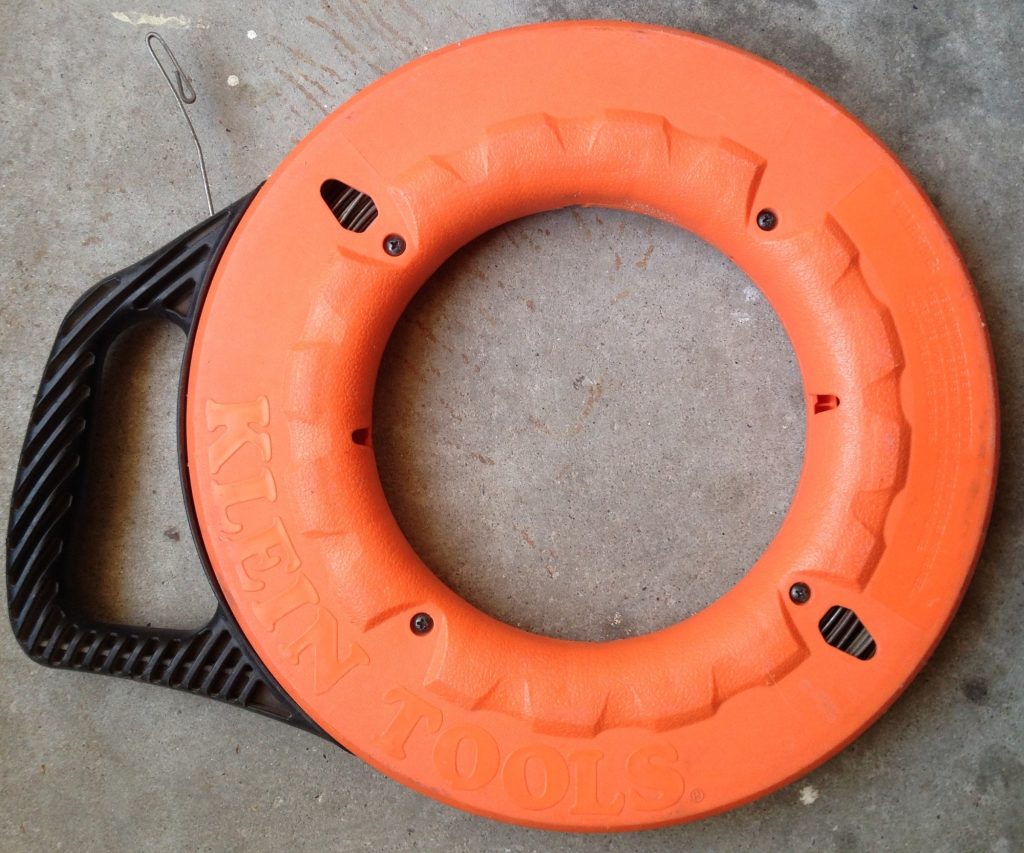
- Fish Tape or Rods: This tool is used for guiding your wire through the conduit pipe under the driveway.
- Wire Cutter/Stripper: A quality cutter/stripper will ensure precision in preparing the ends of your cables for connection with light fixtures or power sources.
- Visual Inspection Tools: These include flashlights for illuminating dark areas and inspection mirrors to view hard-to-reach spots.

Gearing Up Safely: Essential Safety Equipment
Akin to valiant knights donning armor before venturing forth into perilous quests, employing safety equipment is crucial when undertaking projects involving electricity and manual labor such as ours.
- Gloves: High-quality gloves provide protection against blisters while digging trenches or pulling wires through conduits, as well as safeguarding against potential electrical shocks during wiring tasks.
- Safety Glasses/Goggles: These are essential to protect your eyes from flying dirt and debris while digging or cutting wires and to shield against any accidental electrical sparks during wiring.
- Safety Boots: Sturdy footwear is a must-have for heavy-duty digging tasks. Opt for safety boots with thick soles that can prevent potentially painful injuries from sharp tools or stones.
- Dust Mask: Prevent inhalation of dust and tiny debris particles during the excavation phase by wearing a dust mask.
- Ear Protection: If you are using power tools like a trencher, noise can reach harmful levels. Employ ear protection such as earmuffs or earplugs to prevent potential damage.
Equipping oneself with these essential items will not only streamline the process but also ensure safe execution of the project at hand. The emphasis on high-quality materials and robust safety gear is a testament to their crucial role in successful project completion.
Planning the Layout: Mapping the Route
In the intricate process of running landscape lighting wire under a driveway, planning is paramount. One of the primary considerations will be determining the optimal route for your wire under the driveway. Before you plant a single shovel into the earth, take time to visualize and map out your wiring path. Begin by observing your outdoor environment closely.
The layout should consider both aesthetic and practical elements. Consider where each light will have the most impact, such as illuminating a path or highlighting features in your garden. From each proposed light location, plot a route back to your power source that has minimal interference with other features in your yard while considering it must run beneath your driveway.
Once you have identified key points that need lighting, draw an imaginary line from these points to your power source. This line represents where you’ll place the wires for your landscape lighting system. It’s essential to avoid high-traffic areas or places where digging might disrupt existing structures or plantings.
Key Considerations during Planning: Distance and Light Type
As you chart this course, there are certain essential factors to consider, primarily distance from power source and type of lights you intend on installing. The distance from each light location to its power source affects two aspects: voltage drop and wire size selection.
Voltage drop refers to how much electrical energy is lost as electricity travels along a wire; this occurs naturally over long distances but can cause dimming if not addressed properly during planning stages. To mitigate voltage drop, use thicker gauge wires, which provide lesser resistance for longer runs, thus maintaining brightness across all fixtures.
Another crucial consideration is the types of lights being utilized in our landscape design scheme because different lights require different types/grades of wires due to their varying energy needs. For instance, LED lights consume less energy compared to traditional halogen bulbs and hence require lesser gauge cables than these traditional options.
Furthermore, some lights have integrated transformers that convert household electrical current to a lower voltage suitable for the light, while others require separate transformers. This affects where you can place lights in relation to each other and the transformer, influencing your overall layout.
Consider future adjustments or expansions. It might be worthwhile leaving some additional wiring length coiled up at strategic points along the route under the driveway for possible future additions or changes.
Careful planning and consideration during this initial stage are vital to ensure smooth execution and optimal lighting results. With a well-thought-out layout plan in hand, you are ready to move on to preparing your driveway for this exciting home improvement project.
Running Landscape Lighting Wire Under Driveway
Preparing the Driveway
Charting the Course: Marking the Path Across or Under the Driveway
Creating a clear and carefully planned path for your wiring is a crucial first step in this endeavor. Utilize landscaping paint or stakes to delineate the desired route for your landscape lighting wires. When choosing your path, aim for a straight line, as this will simplify the process of running wires and reduce potential complications.
Avoidance Strategy: Tips on Protecting Existing Structures

Preserving your existing structures is paramount during this process. Be sure to avoid important infrastructure such as water lines, gas pipes, or other underground utilities when marking out your path. A call to 811 in the United States can help you identify where these utility lines are located.
Digging Trenches
Tread Lightly: Techniques for Digging Trenches without Damaging Driveway Surface
When it comes to trench-digging, tread lightly to prevent causing unnecessary damage to your driveway’s surface. Use hand tools rather than heavy machinery, and ensure that you dig around any major obstructions rather than attempting to break through them. Remember, patience will pay dividends here.
Depth Perception: Understanding How Deep Cables Need To Be Buried
Adhering to proper depth requirements when burying electrical cables is not only necessary for safety but also essential for functionality. As a rule of thumb, bury low-voltage landscape lighting wires at least 6 inches deep.
Installing Conduit Pipe
The Guardian Shield: Importance and Benefits of Using a Conduit Pipe
Using conduit pipe serves as an extra protective shield for your wiring; it prevents damage from water exposure and potential physical harm from future landscaping work or pedestrian footfall. It’s a small step that greatly enhances the lifespan of your landscape lighting system.
Guided Through: How to Install Conduit Pipe Under Driveway
To install the conduit, begin at one end of your driveway, pushing it through your pre-dug trench until it emerges on the opposite side. Ensure that each end of the conduit extends beyond the trench so it can be easily connected to your electrical wire and light fixtures.
Running the Wire
The Threaded Path: Detailing the Process of Threading Wire Through Conduit Pipe
Threading wire through conduit pipe is a relatively simple process. Using a fish tape, you guide your landscape lighting wire from one end of the conduit to another – much like threading a needle, just on a much larger scale.
Pulling Precautions: Tips when Pulling Wires Through
During this process, take care not to pull too forcefully, as this can damage both the wire and conduit pipe. It’s recommended to gently push and pull in short movements rather than using abrupt force.
Connecting Lights and Testing System
Lighting Life: Connecting Wires to Landscape Lights
With wires running successfully under your driveway, it’s time for connection. Attach each wire appropriately to its designated terminal on each landscape light fixture, ensuring secure connections for good conductivity.
Brightness Check: Testing If Lights Are Working Correctly
Before you backfill trenches or restore driveways, test out your lights. Switch on your power source and confirm all lights are working correctly – enjoy their glow knowing you’re nearly done with this project!
Backfilling Trenches & Driveway Restoration
Filling in the Gap: Best Practices in Backfilling Trenches
Backfilling is the final manual labor step in this project. Use the previously dug-out soil and gently place it back into your trench, compressing it lightly to ensure stability but without damaging your newly installed conduit.
Restored Path: Getting Your Driveway Back to Its Original Look
The completion of these steps leaves one task left: driveway restoration. Carefully replace any dislodged pavers and clean up any traces of your recent work. Et voila, you now have a beautifully lit landscape with no visible wiring disrupting your aesthetic.
Conclusion: How to Run Landscape Lighting Wire Under Driveway?
In embarking on this journey of running landscape lighting wire under your driveway, you’ve elevated the aesthetics and safety aspects of your property. This hands-on project has not only added value to your home but also imparted an invaluable sense of accomplishment. Remember, indeed, every effort made in enhancing our living surroundings brings us one step closer to creating our perfect haven.
You may also be interested in the following posts: