
A View of Landscape Lighting
Landscape lighting, a harmonious blend of aesthetics and functionality, is a key aspect in the embellishment of outdoor spaces. These enchanting illuminations serve as a beacon of beauty in the dark, enhancing the architectural characteristics and natural elements of a property. Not only does landscape lighting enhance the visual appeal in the nocturnal hours, but it also fortifies safety and security.
From path lights to spotlights, various types of landscape lighting fixtures exist, each catering to specific needs while adding a unique dimension to your outdoor canvas. The design process is indeed intriguing, but the opportunities for creativity abound. However, it’s not just about picking out pretty lanterns or deciding on dramatic spotlight placements. A key component that often goes unnoticed yet plays an essential role is the landscape lighting wire.
Wiring – The Lifeline of Landscape Lighting
Much like veins carrying blood throughout our body, wires are vital lifelines that transport electrical energy necessary to power landscape lights. The importance of proper wiring in landscape lighting cannot be overstated. It ensures efficient power distribution while minimizing potential safety hazards such as faulty connections or overheating wires that can lead to electrical fires.
Moreover, correctly chosen and installed wiring guarantees longevity and efficiency of your lighting system by mitigating voltage drop – a common issue in low-voltage systems leading to weak or inconsistent light output across different fixtures. Thus, wiring isn’t simply about connecting point A to point B; it requires careful consideration regarding wire type (gauge), circuit load calculations, and correct installation practices, which include one crucial yet often overlooked aspect – burying the wires.
A Glimpse into Burying Landscape Lighting Wires
As we delve into this comprehensive treatise on landscape lighting wiring and its installation aspects, we will explore why burying the wires is not just a recommendation but rather a necessity. Safety considerations, aesthetic reasons, and protection against harsh weather conditions and animals are some of the compelling factors we will discuss.
In terms of depth requirements, you’ll be enlightened about regulatory standards as well as variations based on wire type and location. We will guide you through the procedure with a step-by-step tutorial on how to rightly bury landscape lighting wires.
Acknowledging potential risks associated with unburied or improperly buried wires is another critical area of examination we will address. Moving beyond installation, ensuring longevity through maintenance tips, and addressing common problems in upkeep will be discussed.
We invite you on this enlightening journey that not only aims at enhancing your understanding but also endeavors to equip you with practical knowledge. Be ready to light up your landscape with confidence and safety!
Decoding the Mystery of Landscape Lighting Wire
Landscape lighting requires a specific type of wire, often referred to as landscape lighting wire or simply outdoor wire. This particular kind of wiring is made with a thick, rubbery insulation that coats the copper within, protecting it from external elements like water, erosion, and critters that may cause damage. The quality and durability of this protective layer make it an optimal choice for outdoor wiring tasks.
There are primarily two types of landscape lighting wires: low-voltage wires and line-voltage wires. Low-voltage wires are usually used in residential settings due to their safety and power efficiency aspects. They operate at 12 volts and require a transformer to step down the voltage from standard 120 volts household current. On the other hand, line-voltage wires run at 120 volts and are typically used for commercial applications or larger installations due to their capacity to travel longer distances without significant power loss.
The Lifeblood of Your Luminous Outdoors
The significance of landscape lighting wire cannot be overstated, as it serves as the conduit that brings electricity from the source – usually a transformer – to each light fixture in your outdoor setting. Without this vital component, your colorful garden lights or your elegant pathway illumination would be lifeless.

Moreover, selecting an appropriate type according to your requirement is essential because not all landscape lighting projects demand the same kind of wire. The amount of energy needed by light fixtures and the length between each fixture and power source determine which wire suits best for optimum performance.
More than just an energy transporter, though, these wires also play a role in ensuring safety outdoors. Properly installed and maintained landscape lighting wires significantly reduce electrical hazards associated with outdoor installations exposed to ever-changing weather conditions and fickle creatures potentially chewing on them.
Enlightening Insights into Landscape Wiring Systems
Understanding how crucial they are within an overall system framework becomes evident. Each fixture in your landscape lighting setup is wired in a series or parallel circuit to the transformer, which then connects to your home’s electrical system. This wiring structure is not only functional but also designed for easy maintenance and fault isolation.
The wire gauge, i.e., its thickness or diameter, also plays a significant role in how the overall system performs. Thicker wires (with lower gauge numbers) are capable of carrying electricity more efficiently over longer distances compared to thinner wires. Therefore, large-scale outdoor projects often use thicker wires to prevent voltage drop and ensure every light receives adequate power.
Understanding landscape lighting wire is crucial for anyone keen on maintaining or improving their outdoor illumination system. It’s not just an accessory but a vital part of the system that influences safety measures and the life of your luminous outdoors. After all, every artist needs their palette, and for those painting with light, it’s high-quality landscape wiring they seek.
The Necessity to Bury Landscape Lighting Wire
An Enlightening Discussion: Why Bury Landscape Lighting Wires?
Landscape lighting adds not only aesthetic appeal to a property but also enhances safety and security. The role of the wire in this setup is significant as it is the conduit for the electrical current essential for lighting. However, these wires, when exposed or improperly installed, can pose numerous problems. Hence, burying landscape lighting wires has become an established standard practice in the field of exterior illumination design.
Safety Considerations: A Paramount Concern
Safety is one of the most compelling reasons that necessitate the burying of landscape lighting wires. Exposed wires are hazardous and can potentially cause trips and falls, especially in dimly lit outdoor settings. Moreover, there’s an inherent risk associated with electricity; accidental contact with live wires can lead to dangerous scenarios, including electric shocks or fires. By burying these cables, we greatly mitigate such risks.
Aesthetic Impressions: The Hidden Beauty of Buried Wires
The main purpose of landscape lighting is often to amplify the visual charm of an outdoor space during twilight hours. Exposed cables running haphazardly across a garden not only diminish this charm but also disrupt harmony in design elements. Burying these cables ensures that nothing detracts from your carefully orchestrated aesthetic ensemble.
Guardians Against Nature’s Wrath and Wild Intruders
Outdoor installations are always at mercy to the elements; harsh weather conditions such as heavy rain or snow could harm exposed cables over time, compromising their functionality and durability. Furthermore, local wildlife or pets may be tempted to chew or scratch at visible cords, which leads to damage or even potential harm to animals. By burying these lines beneath the earth’s surface, shielded from inclement weather conditions and curious critters, we enhance their longevity.
An Exception to Every Rule: When Not to Bury Wires
While it’s generally recommended that landscape lighting wires be buried, there are exceptions. Some low-voltage or solar-powered lights have cables that can be safely left on the surface. Likewise, for temporary setups like holiday decorations or party lighting, it may not be practical or necessary to bury the wires. However, in these cases, utmost care should be taken to ensure that the wires are properly insulated and secured away from areas of high foot traffic.
Immersion in Knowledge: The Requirements for Burying Landscape Lighting Wires
Navigating the Labyrinth: Regulatory Standards and Guidelines for Burying Wires
The complexities of landscape lighting installation are not limited to only choosing the right fixtures. It extends far beyond, encompassing an intricate labyrinth of rules, standards, and guidelines to ensure safety and efficacy.
One such integral facet is the depth at which landscape lighting wires need to be buried. According to the National Electrical Code (NEC), low-voltage landscape lighting wire should ideally be buried 6 inches (15.24 cm) underground. This depth has been determined through rigorous testing and careful consideration of multiple factors, including but not limited to safety, moisture resistance, and protection against physical damage.
To fully comprehend this standard, we must delve deeper into its dimensions. When a wire is buried six inches deep, it provides a formidable barrier against accidental contact with sharp gardening tools like spades or forks. Moreover, it ensures that the wires are safely cocooned from extreme weather conditions such as frost heaves during cold weather or soil erosion due to heavy rainfalls.
This depth also deters burrowing animals from reaching them easily, thereby reducing chances of wire damage. However, this guideline serves as a general rule; certain exceptions exist based on individual landscape requirements.
Between Layers: Variations in Depth Requirement Based on Wire Type and Location
Just like a symphony that changes its rhythm according to the composition’s demand, so does the depth requirement for burying landscape lighting wires vary based on several factors. For instance, if your lighting system employs direct burial cables – also known as UF cables – they can be buried at lesser depths compared with those using conduit systems.
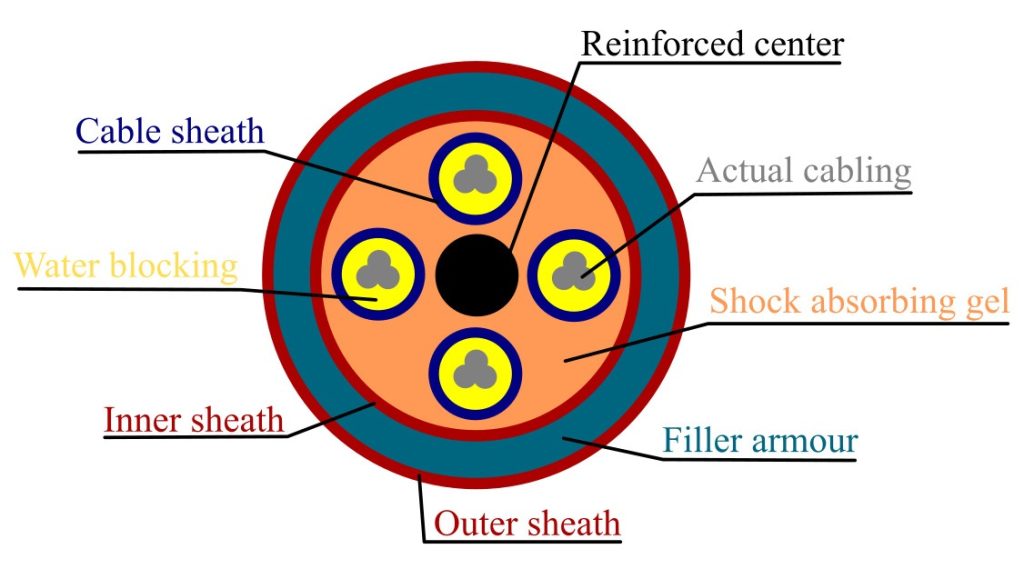
The NEC allows for UF cables, given their enhanced durability and resistance, to be placed 12 inches (30 cm) deep if they fall under a non-vehicular area, while in the presence of vehicular traffic or under driveways, the required depth extends to 18 inches (45.72 cm). Compare this with wires encased within an electrical conduit, which demands a depth of 18 inches for non-vehicular areas and 24 inches (60.96 cm) for spaces experiencing vehicular drive-over.
The wire type isn’t the only factor influencing burial depth; location plays an equally critical role. For instance, if wires need to traverse beneath concrete or asphalt paving, they must be laid at greater depths – typically in the range of 18 to 24 inches – considering their vulnerability to compression and ground movement.
Also, it’s essential to remember that these regulations are not universal but rather depend on local codes and regulations. Therefore, when planning landscape lighting installation, do not neglect consulting with local authorities or knowledgeable electricians familiar with regional rules.
Undoubtedly, understanding these specifics may seem daunting in its complexity; however, with wisdom comes clarity. The aforementioned standards and variations serve as navigational markers in our quest for achieving safe landscape illumination that caters not just aesthetically but also offers prolonged service without endangering lives.
Procedure for Burying Landscape Lighting Wires
A Step-by-Step Guide on How to Properly Bury the Wires
In the grand symphony of landscape lighting, wires play the indispensable role of conductors, orchestrating light and shadow across your outdoor tableau. To ensure a harmonious performance, it is critical to properly bury these maestros of lighting. This involves meticulous preparation, careful execution, and an understanding of the wire’s subtleties.
The first step begins with careful planning. Sketch your lighting plan on paper; note where each fixture will be placed and trace the routing path for your wires from the power source to each fixture. Ensure that you have a sufficient length of wiring to accommodate this layout.
Next, assess the type and gauge of wire needed for your project. The wire gauge (thickness) required can vary based on run length (distance from power source), voltage drop considerations, and overall system wattage requirements. Consulting with a professional or conducting thorough research is advised at this stage.
Preparation Stage: Tools Needed, Safety Precautions, etc.
Before embarking on your subterranean wiring voyage, gather all necessary materials. This includes landscape lighting cable (wiring), a shovel or trenching tool for digging trenches, protective gloves for safety during work, and potentially conduit piping if intending to further reinforce your buried wires’ protection. In terms of safety precautions when working with electrical installations outdoors, always observe national electrical codes or local ordinances if more stringent measures are imposed in your area.
Disconnect the power supply when installing or adjusting outdoor electrical systems to prevent electric shock incidents. While preparing trenches, consider call-before-you-dig services; they help prevent accidental damage to hidden utility lines, which can be costly and dangerous misunderstandings.
Execution Stage: Digging Trenches, Laying Wires, and Filling Trenches Back Up
The action phase begins by digging trenches along your previously sketched path. The depth of the trench should comply with local regulations, but as a general rule of thumb, aim for 6 inches deep. This depth helps protect the wire from being accidentally cut or damaged during routine landscape maintenance.
Once your trenches are prepared, it’s time to install your lighting cable. Unroll the wire along the path of the trench, leaving extra slack near each light fixture for future adjustments. Make connections between lights according to the manufacturer’s instructions, ensuring each connection is tight and secure.
With your wiring in place and thoroughly checked, you’re ready to close up shop; carefully backfill your trenches with soil. Ensure that the soil is compacted around cables but not overly so; this can put unnecessary pressure on them, causing potential damage.
Connect wires to the power source and switch on the system to verify the successful operation of the lights. Burying landscape lighting wires may seem like a daunting task, but armed with knowledge and patience, you can successfully undertake this project, creating a safe, aesthetically pleasing outdoor space illuminated just as you envisioned.
Potential Risks and Hazards of Unburied or Improperly Buried Landscape Lighting Wires
The Threat of Electrical Shocks and Fire Risks
The potential dangers associated with landscape lighting wires that are unburied or improperly buried are not to be underestimated. The most conspicuous risk is that of electrical shocks. When these wires are left exposed, they create an open circuit that can easily be disrupted. If a human or an animal comes into contact with an exposed wire, the result could be a potent electrical shock.
This is especially dangerous in outdoor environments where elements like moisture significantly increase the risk. Additionally, landscape lights typically operate at 12 volts, which, while low, is still sufficient to cause harm, especially in damp conditions. If, for instance, a lawnmower blade were to accidentally sever an exposed lighting wire, the ensuing spark could result in significant injury to the operator and potentially initiate a fire.
Furthermore, unburied wires pose serious fire risks. Exposed wiring can easily short circuit due to poor insulation and exposure to inclement weather such as rain or snow. A short circuit may lead to overheating and eventual combustion, resulting in deadly fires that may rapidly spread across your yard, devastating your beautiful landscaping work along its path.
Not only do these fires pose a threat to the aesthetic appeal of your landscape, but they also present serious safety hazards. They can potentially spread to nearby structures, causing extensive property damage and even loss of life.
Improperly buried wires are just as hazardous as their unburied counterparts. Covering them lightly with dirt or mulch does not provide enough insulation against environmental elements nor protection from gardening tools like rakes and shovels during routine maintenance.
Disruption of Visual Appeal by Exposed Wires
Beyond the grave risks mentioned above lies another substantial concern: aesthetics. Landscape lighting serves two main purposes: to illuminate the area for functional use during dark hours and to enhance its visual appeal. However, exposed wires can be an eyesore that starkly contrasts with the beauty of your well-groomed outdoor space.
Unburied wires straggling across the lawn or flower beds disrupt the artistic harmony of your garden and can make it seem unkempt. Moreover, they hinder your ability to fully enjoy the tranquil serenity provided by a beautifully lit landscape in the evening hours.
Even more alarming is that most landscape lighting systems are designed to blend seamlessly into their surroundings. Consequently, when wires are exposed, they detract from this illusion of natural integration and become a glaring reminder of human intervention in what should ideally be an organic environment.
Additionally, these unburied or poorly buried wires can cause tripping hazards. While one might argue that such accidents could be curbed through careful navigation around the yard, it is worth noting that true beauty lies in effortless elegance rather than conscious avoidance of potential dangers.
Having exposed wiring can potentially decrease property value since meticulously maintained landscapes often contribute significantly to a home’s market price. Potential buyers may perceive exposed wiring as indicative of poor maintenance and disregard for safety standards, thereby negatively impacting their buying decision.
Tips for Maintaining Buried Landscape Lighting Wires
Regular Inspection and Maintenance Tips
As a vigilant homeowner, maintaining the integrity of your buried landscape lighting wires should form a significant part of your regular maintenance routine. The first step to this end is to conduct regular inspections. While these wires are designed to endure external pressures, they are not entirely impervious to wear and tear. Over time, various factors like heavy rainfall or constant use can lead to the degradation of insulation or expose them to potential risks.
Carrying out inspections at least once every season is generally advisable. You would be looking out for signs that may indicate possible damage, such as flickering lights, inconsistent lighting, or even lights that fail entirely. It’s important, however, not to attempt digging up the wires without professional help, as it might cause more harm than good.

Regular cleaning is another crucial maintenance tip. Debris, such as leaves, can accumulate around the fixtures, potentially leading to overheating and damage. Ensure you clear out this debris regularly while also checking that fixtures are free from dirt that could dim their light output.
One other essential maintenance tip is adjusting fixture positions as needed. Over time, certain fixtures may become less effective due to alterations in the landscape, like an overgrown tree blocking their light path. Re-adjusting these fixtures will ensure your landscape continues to be well-lit. Always ensure your lighting system is running on its recommended voltage level, as overloading can cause rapid burnout of bulbs, while underloading will result in suboptimal performance.
Solutions for Common Issues That May Arise Over Time
Despite all precautions and maintenance practices, some common issues might still arise with buried landscape lighting wires over time, in part largely due to their exposure to outdoor elements. One common issue could be corroded connections resulting often from water ingress or high humidity levels, which could cause intermittent or total failure of lighting fixtures. This can be rectified by replacing the corroded connectors with waterproof ones while ensuring all connections are properly sealed.
Another frequently encountered problem is cut or damaged wires, which can occur perhaps during landscaping activities. Detecting this can be tricky, as it usually involves tracing the wiring back from the non-illuminating fixture. Once detected, however, it can be fixed by reconnecting the wires using a direct burial splice kit.
You might also encounter issues related to bulbs, such as rapid burnout or dimness. The former could result from overloading and can be resolved by ensuring you operate at the recommended voltage, while the latter could result from dirt accumulation on fixtures and would require regular cleaning.
Sometimes, animals might chew on your wires, leading to damage. To prevent this from happening, you could incorporate an additional layer of protection around your wires, such as metal conduit, though this may present additional aesthetic concerns. Remember that while these fixes seem simple enough, it’s always advisable to engage a professional electrician for any electrical work, especially if you’re unsure of what to do.
Conclusion: Does Landscape Lighting Wire Need To Be Buried?
Emphasizing the Importance of Burying Landscape Lighting Wires
In conclusion, it is pertinent to emphasize the importance of correct installation and conscientious maintenance of buried lighting cables. This practice accentuates not only safety aspects but also ensures that your outdoor space remains a testament to impeccable aesthetics, radiant illumination, and a marvel to all those who happen to feast their sights on it.
The act of burying landscape lighting wires, while seeming mundane, has a profound impact on the overall beauty and safety of your outdoor spaces. By following correct procedures and adhering to guidelines, you are investing in an enduring legacy – one that will light up your life and those around you for years to come.
You may also be interested in the following posts: