
The Dawn of Lights: Understanding Landscape Lighting
Landscape lighting, often viewed as a decorative afterthought, plays an essential role in enhancing the aesthetic appeal and functionality of outdoor spaces. These luminous configurations create a symphony of light and shadow that amplifies the beauty of gardens, pathways, architectural structures, and other exterior features.
Encompassing a broad spectrum of fixtures ranging from low-voltage pathway lights to high-intensity spotlights, landscape lighting is integral to creating a welcoming atmosphere and can significantly augment the nocturnal charm of any property. Masterful placement and selection of lighting fixtures can transform outdoor spaces into magical landscapes bathed in soft moonlight or dramatic scenes punctuated by striking beams.
These lights serve not only a functional purpose – illuminating dark areas for safety – but also contribute to an ambiance that invites relaxation and enjoyment. The allure of landscape lighting lies in its ability to instill life into gardens at nightfall, painting picturesque portraits with every flicker.
Though landscape illumination might seem straightforward – a matter merely installing bulbs – it is a meticulously orchestrated blend of artistry and technical prowess. Designing the perfect layout requires not only creativity but also knowledge about light intensity, color temperatures, bulb types, fixture placements, wiring systems – and above all else – an understanding about electrical safety measures.
The world of landscape lighting offers endless possibilities for both residential homeowners and commercial property managers alike. By accentuating key architectural elements or spotlighting hidden corners within an expansive garden, these lights breathe life into structures otherwise lost in darkness.
Moreover, advancements in technology have led to innovative features like motion sensors or solar panels that combine convenience with conservational responsibility. However appealing this formality may be on the surface level – its application requires adherence to stringent guidelines dictated by the laws of physics – and more importantly – the principles governing electrical installations.
Electrifying Safeguards: The Importance of Safety in Outdoor Electrical Installations
The artistry involved in landscape lighting should never undermine the importance of safety. Outdoor electrical installations, like landscape lighting, are subject to innate risks owing to exposure to environmental conditions and the inherent hazards associated with electricity. Ignoring these risks could lead to disastrous consequences, such as electrical fires or electrocution.
Safety becomes paramount when installing these systems, necessitating a comprehensive understanding of outdoor electrical codes and regulations. These guidelines not only provide a roadmap for safe installation but also ensure that systems remain hazard-free upon long-term exposure to nature’s unpredictability.
Furthermore, it is essential to consider factors like ground proximity and moisture levels when planning outdoor electrical installations. This attention ensures that all components – wiring, outlets, transformers – are adequately insulated or protected against potential harm from unfavorable weather conditions.
In addition to environmental concerns, safety measures should also address potential human errors. This approach includes implementing proper installation procedures that minimize risk during maintenance or adjustments – a spectrum involving everything from using proper tools and equipment to ensuring all components are out of reach from children or pets.
When it comes down to wire-tapping the nexus between beauty and safety – it becomes abundantly clear: outdoor electrical installations for landscape lighting are no frivolous affair – they are meticulous operations demanding respect for both aesthetic appeal and stringent adherence towards safety regulations.
Unraveling the Essence of Conduits in Electrical Installations
A conduit, essentially, is a tube or pipe through which electrical wires are passed. Its primary purpose lies in protecting the wires from damage, providing an organized platform for wire installation, and mitigating the risk of electrical fires.
In electrical systems, conduits serve as a shield against factors that could potentially jeopardize wire integrity, such as accidental impact, water infiltration, gnawing pests, and even natural wear over time. In layman’s terms, think of conduits as the protective arteries of your electrical system’s circulatory network.
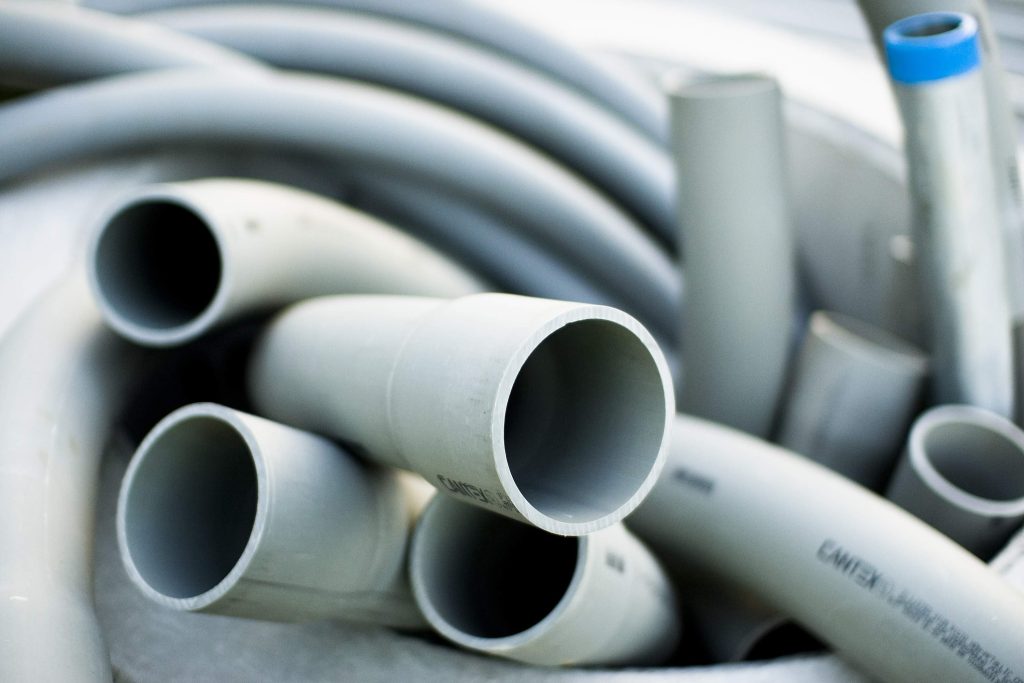
Not only do they safeguard the ‘electrical bloodline’, but they also pave avenues for future expansion of your system by simplifying wire additions or replacements. Thus, conduits add another dimension to your electrical setup – that of convenience.
However intriguing it may sound, installing conduits is not always an easy task nor a mandatory one under every circumstance. The decision to employ them depends on several variables, such as local regulations or codes, type and scale of the project at hand (commercial/public/industrial/residential), and specific environmental conditions like exposure to corrosive substances or extreme temperature.
Navigating Through Different Types of Conduit
Conduits come in various types catering to different requirements and circumstances. Among these are metal (both ferrous and non-ferrous), PVC (polyvinyl chloride), RMC (rigid metal conduit), IMC (intermediate metal conduit), and EMT (electrical metallic tubing).
Metal conduits offer excellent mechanical protection, but their susceptibility to corrosion makes them a less preferred option for outdoor installations or areas with high moisture levels. RMC, a close cousin of metal conduit, is perceived as the Hercules of conduits with its strong build and superior damage resistance.
On the other hand, PVC conduits contrarily offer superior resistance against rust but can’t hold up well under harsh UV rays unless specially treated for the same. EMT, the swiftest to install of all due to its light frame, is widely used in indoor applications but falls short in terms of strength compared to its counterparts. IMC offers a middle ground between RMC’s ruggedness and EMT’s lightweight nature.
The Double-Edged Sword: Weighing the Benefits and Drawbacks of Conduit Usage
Like most things under the sun, conduits too come with their set of advantages and disadvantages. On one hand, they offer unparalleled protection to your electrical wires against physical damage and shield them from harsh environmental conditions.
They endow your system with an organized structure, making it easier for electricians to trace or repair particular lines without disturbing the overall setup. On the downside, though, conduits could be quite hard on your pocket, especially if you’re dealing with a large-scale project.
Their installation process can be labor-intensive, requiring professional assistance at times, which again escalates costs further. In scenarios where aesthetics hold significant prominence, such as in posh residential or commercial spaces, visible conduits might hamper the overall visual appeal unless cleverly camouflaged or integrated into design elements.
While evaluating these pros and cons may seem overwhelming at first glance, remember that it ultimately boils down to individual project needs and circumstances. A careful consideration of these factors will guide you towards making an informed decision that suits both your safety requirements and budget constraints.
Standards and Regulations for Outdoor Lighting Installations
When contemplating an outdoor lighting project, one must be cognizant of the myriad regulations and standards that govern such installations. These rules are not arbitrary; they play an indispensable role in ensuring safety and efficiency. The installation of landscape lighting is a complicated task, requiring adherence to specific guidelines defined by authoritative bodies in electrical safety.
It’s easy to dismiss these regulations as cumbersome or superfluous, but doing so ignores their fundamental purpose: to protect people and property from electrical mishaps. Non-compliance can lead to dire consequences, including fires or electrocution hazards, which underscores their importance.
National Electrical Code (NEC) Requirements for Outdoor Wiring
One such regulatory body is the National Electrical Code (NEC), a set of standards widely adopted across the United States. It provides extensive rules regarding various aspects of electrical installations, including those for outdoor landscape lighting.
For instance, NEC requires that any outdoor wiring be either UF-B cable or THWN-2 wire inside PVC conduit for protection against moisture. Moreover, any wire connections outside a junction box should be made with weather-resistant wire nuts.
Also notably, GFCI protection is mandated for all outdoor outlets per NEC 210.8(B). The NEC mandates that wiring buried less than 24 inches underground must reside within conduit made from approved materials resistant to corrosion and degradation by sunlight or moisture.
Importantly though, exceptions exist – certain types of cables may be buried directly without conduit if installed at sufficient depths. Furthermore, all outdoor lighting fixtures must bear labels indicating they are suitable for wet locations unless they are subject to temporary submersion under water – in which case they should bear labels indicating suitability for damp locations.
Local Regulations That May Affect Landscape Lighting Installations
The Influence of Local Laws on Landscape Lighting
In addition to the NEC, local regulations also play a significant role in governing landscape lighting installations. Building codes vary considerably from one jurisdiction to another, and these rules can affect several aspects of your outdoor lighting project.
For instance, local codes may dictate specific requirements for light fixture types, placement, and brightness levels. Some locales may even have “dark sky” laws in place that place restrictions on light pollution emitted by outdoor fixtures.
Another area where local regulations come into play is permitting. Depending on the complexity and scale of your landscape lighting project, you may need to apply for permits before commencing work. Failing to obtain necessary permissions can lead to fines or other penalties.
Moreover, certain jurisdictions might have unique requirements regarding underground installations based on factors such as soil type or seismic activity. Thus, it becomes indispensable for homeowners or contractors to familiarize themselves with these regulations before breaking ground.
Importantly, some regions mandate that electrical work be performed by licensed professionals only – this could include installing outdoor lighting or wiring conduit. Ignoring such stipulations could invalidate insurance policies and even put lives at risk.
Being aware of the myriad regulatory requirements – from national codes like the NEC to localized building laws – is vital when installing landscape lighting safely and legally.
Landscape Lighting and the Need for Conduit
The Necessity of Conduit in Certain Landscape Lighting Scenarios
When it comes to landscape lighting, the use of conduit is often a factor of safety and longevity. One such situation is underground wiring.
Underground landscape lighting installations require protection from moisture and potential mechanical damage. A robust conduit system offers an effective solution. Ensuring that wires are encased in a sturdy conduit helps forestall degradation caused by soil acidity or sharp rocks.
Furthermore, underground conduits act as a defensive shield against accidental damage during typical garden maintenance activities such as digging or aerating. A well-placed conduit can prevent inadvertent wire cuts, saving both time and money in repairs or replacements. Hence, when contemplating underground wiring for landscape lighting, one should consider conduits as a necessary safeguard.

Exposure to weather elements poses another significant challenge for outdoor electrical systems like landscape lighting. Here too, conduits prove their worth. They offer superior protection against climatic conditions such as rain, snow, heat, and frost cycles that might otherwise affect the integrity of exposed wires.
The proximity of lights to water features or irrigation systems creates yet another circumstance where conduit usage becomes essential for landscape lighting installations. In such scenarios, using waterproof conduits ensures that the electrical connections remain dry and safe from potential short circuits due to water ingress.
Scenarios where Conduits May Not Be Mandatory
Conversely, there are instances where conduits might not be imperative for landscape lighting setups. If the installation involves temporary or low-voltage decorative lights strung above ground level (e.g., patio string lights), these may not necessarily require protective conduit casing. Similarly, if your garden lacks extensive water features or irrigation systems – essentially reducing potential exposure to moisture – you could potentially opt out of using conduits depending on local regulations and safety standards.
The need for conduit in landscape lighting installations is driven by factors such as location of wiring (underground vs above ground), exposure to weather elements, and proximity to water sources or systems. A careful assessment of these factors can help determine whether conduit usage is necessary or optional for your specific landscape lighting setup.
Case Studies: Landscape Lighting Installations with and without Conduit
Shedding Light on Success: Examples of Landscape Installations using Conduit
In the realm of landscape lighting, there are myriad instances where conduit has proven indispensable. One such example hails from a suburban residence in upstate New York, where an extensive landscape lighting system was flawlessly installed using PVC conduit. This installation was characterized by a complex array of recessed path lights, accent lights for trees and shrubs, and underwater pond lights. The use of conduit facilitated unhindered electrical supply across this diverse array of fixtures while ensuring safety against the harsh northeastern weather.
Another compelling case study is a sprawling resort in California, renowned for its aesthetically pleasing outdoor lighting arrangements that harmonize with the lush surrounding landscapes. Here, metal conduits were utilized to protect the wiring systems from damage due to human activity or accidental encounters with maintenance machinery such as lawnmowers or leaf blowers. In spite of being exposed to strenuous physical conditions over years, this installed system has remained intact and functional – an enduring testament to the efficacy of conduits.
Across the Atlantic in a serene Italian villa nestled amidst olive groves and vineyards, we find another exemplary usage of conduit in landscape lighting. Lighting its charming pathways and romantic gazebos without disturbing the natural aesthetics was challenging but achieved ingeniously through well-placed conduits discreetly buried underground.
A luxury hotel in Dubai presents another shining example demonstrating how flexible conduits can successfully be used within sand-drenched environments. Despite sandstorms that test infrastructure integrity to their limits, their landscape lighting remains unaffected thanks largely to robust conduits protecting their electrical systems.
The final case underscores success on commercial grounds – a bustling shopping precinct in Tokyo’s Ginza district renowned for its spectacular outdoor illumination displays. Its extensive illumination network thrives on rigid metal conduits capable of withstanding urban rigors while ensuring seamless lighting operations throughout the precinct.
Lighting the Way without Conduit: Examples of Successful Installations
Success in landscape lighting is not exclusive to installations with conduit, as evidenced by several noteworthy examples. A quaint cottage nestled in the heart of English countryside serves as an inspiring instance where direct burial cables were employed. The homeowner, prioritizing a minimalistic approach, went for this less intrusive method to maintain the bucolic charm of the garden paths and ornamental trees.
In sunny Australia, a large beachfront property offers another successful depiction where wireless technology replaces traditional wired systems. Solar-powered pathway lights and LED spotlights for highlighting landscape features eliminated the need for any conduit or buried cables. This eco-friendly and economical solution demonstrates an innovative approach to landscape lighting sans conduits.
Meanwhile, a sprawling ranch in Texas employs low-voltage lighting solutions that do not necessitate conduits. The entire ranch is lit up using low-voltage fixtures connected through direct burial cable rated for this application. Despite extreme weather fluctuations, from scorching summers to freezing winters, this system has proven resilient without relying on conduits.
Up north in Canada’s chilly terrain, we find another adept example where lack of conduit does not hamper effective landscape lighting. Deft placement of motion-activated solar lights along walkways and around key features ensured aesthetics and safety despite heavy snowfall conditions often burying low-level fixtures.
We have a trendy rooftop garden situated amidst Hong Kong’s towering skyscrapers, demonstrating how modern battery-operated LED lights can create stunning lighting effects without requiring any wiring or conduits. These real-world instances amply indicate that while conduits are beneficial under certain circumstances, there are also scenarios where landscape lighting can be successfully implemented without their use.
Exploring Alternatives: Beyond Conduit in Landscape Lighting
Much as conduit offers a secure and durable solution for landscape lighting, it is not the sole route. There are indeed alternatives that may be more suitable depending on one’s specific needs and circumstances. These options embody flexibility, innovation, and sometimes, the simplicity that many homeowners crave.
The Underground Solution: Direct Buried Cables
In the world of outdoor electrical installations, direct burial cables have carved their niche as a reliable alternative to conduits. Designed to withstand direct exposure to soil and moisture without any additional protective casing, these cables live up to their name.
The primary advantage of direct burial cables lies in their convenience. With no need for conduits or pipes through which the wire runs, installation becomes an easier task – less labor-intensive, time-saving, and less expensive. For those who prioritize aesthetics, these cables offer minimal visual interference with your garden’s natural beauty. However, every rose has its thorn.
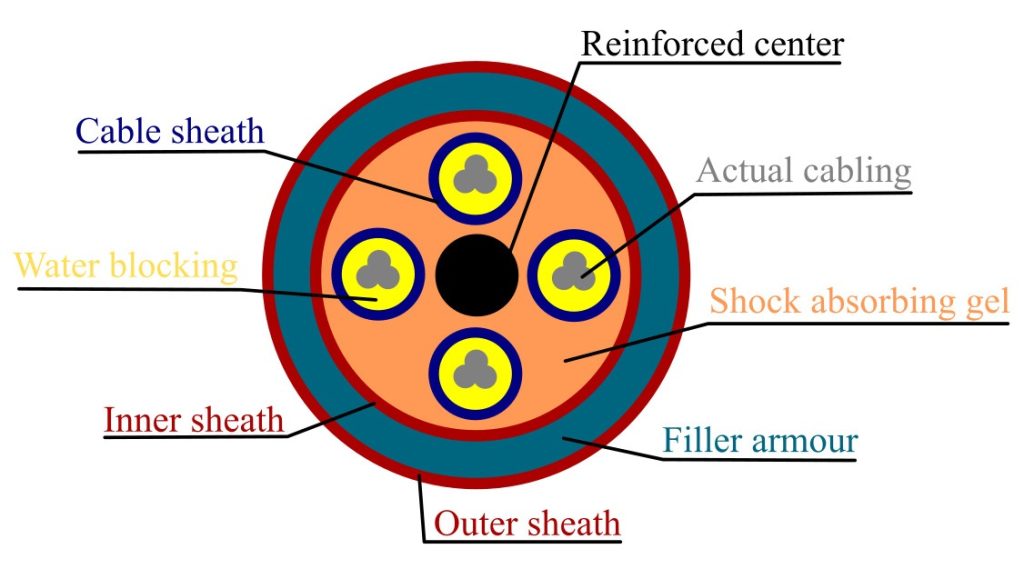
Although direct burial cables typically come with heavy-duty insulation for protection against moisture and other environmental factors that might degrade them over time, this same factor could also be their Achilles heel. They are vulnerable to physical damage from digging or gnawing animals, which could result in interruptions or total failure of your landscape lighting system.
Usage scenarios for direct burial cables vary widely, but they’re particularly handy when running lines under patios or driveways where burying conduit would prove difficult, if not impossible. Additionally, they work well when you wish to keep installations minimalist without visible wires crisscrossing your landscape.
Basking in Sunlight: Wireless Solar-Powered Landscape Lights
When we consider the confluence of technological advancement and environmental consciousness in today’s world, solar-powered lights emerge as an appealing alternative for landscape lighting. These wireless wonders harvest daylight during peak hours, converting it into electricity stored within internal batteries, which powers the lights during the darker hours.
One of the most striking advantages of solar-powered landscape lights is their eco-friendly nature. By harnessing renewable solar energy, these devices significantly reduce utility bills and carbon footprints. Furthermore, being wireless eliminates the need for extensive wiring systems or conduits, making installation a breeze.
However, the performance of these lights is contingent upon exposure to sunlight. In geographical regions prone to cloudy weather or when installed in shaded areas within your landscape, their efficacy diminishes drastically. Also, compared to conventional lighting options, they tend to provide less illumination, which might not be as effective for security purposes.
Ideal usage scenarios for this option would be in areas where it’s impractical or expensive to run power lines, such as far-flung sections of your property or remote garden features. Additionally, they are excellent options for accentuating specific features within your landscape without worrying about elaborate wiring systems.
While conduits provide a sturdy and reliable path for setting up landscape lighting systems, direct burial cables and solar-powered lights offer versatility that caters to varied needs and preferences. The trick lies in evaluating your specific requirements against what each solution offers before making an informed decision on what fits you best.
Guiding your Way: A Comprehensive Guide to Safely Installing Conduits for Landscape Lighting
The installation of conduits for landscape lighting may seem daunting, but with the right knowledge and tools, it becomes a manageable task. It is crucial to follow a step-by-step approach to ensure the safety and longevity of your lighting system.
The first step in installing conduits safely is the planning phase. Carefully map out the desired layout of your landscape lighting, noting where each light will be placed and where the wires will run. This blueprint will help you determine how much conduit you need and where it should be installed.
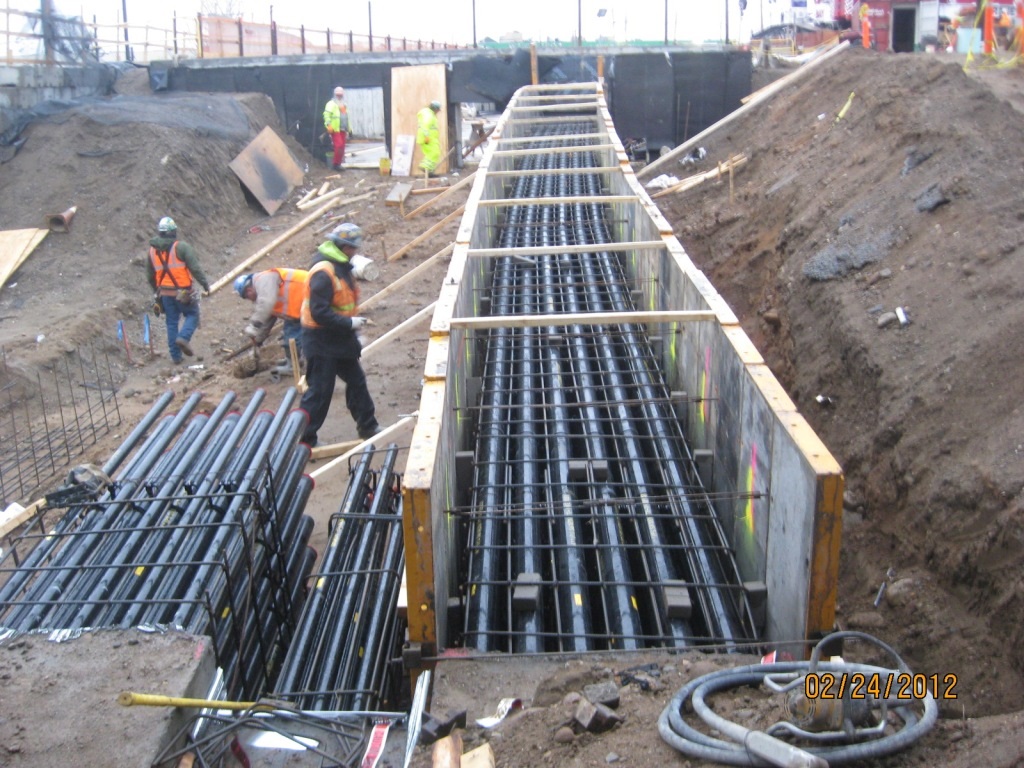
Next comes the trenching phase. Use a trenching shovel or a power trencher to dig trenches that are at least 18 inches deep, as required by most building codes. This depth ensures that the conduit is well protected from elements such as weather or occasional shoveling.
After digging trenches, lay down the conduit while ensuring that there are no sharp bends that could damage electrical wires over time. Also, make sure that all connections between different pieces of conduit are secure to prevent water ingress.
After setting up conduits in place, thread electrical cables through them using a fish tape or cable-pulling grip. It’s important not to overcrowd conduits; follow local regulations about how many cables can safely go into each size of conduit.
Guardians of Light: Ensuring Long-Term Maintenance for your Landscape Lighting Conduits
Maintaining conduits over time may not sound like an exciting task, but it is critical to ensuring your landscape lighting system stays functional and safe for years to come. A primary aspect of maintenance involves regular inspections. Check your conduits periodically for any signs of physical damage, such as cracks or warping, that could compromise their integrity; replace damaged sections promptly if any are found.
In areas prone to freezing temperatures, take additional care to prevent water from accumulating and freezing inside the conduit, as it can lead to cracks. Use conduit bodies at low points in the run to act as drainage points, or consider using conduits with pre-drilled weep holes.
Another maintenance tip is making sure vegetation around conduits is controlled. Overgrown plants could damage the conduit or make future inspections and repairs difficult. Trim any shrubs or roots that grow too close for comfort.
Furthermore, maintain a comprehensive map or diagram of your landscape lighting system, noting where each conduit run is located. This can be invaluable when troubleshooting problems or planning future renovations.
Do not hesitate to call in professionals if you encounter issues beyond your expertise. Conduit installation and maintenance are specialized skills, and there’s no shame in seeking help when needed. After all, the ultimate goal is a safe and beautiful landscape lighting system that enhances the value of your property.
Conclusion: Does Landscape Lighting Need To Be In Conduit?
Navigating the Illuminated Highway: The Essentiality of Safety
When it comes to outdoor electrical systems, such as landscape lighting, safety should always be paramount. The ethereal glow of well-placed luminaires should never come at the expense of endangering lives or property. Even as we enjoy the dramatic interplay between light and shadow in our gardens, we must never lose sight of the intricate ballet that happens beneath – where cables and conduits keep our interests shielded from potential harm.
Each component involved in outdoor lighting possesses its own distinct roles and risks. It is crucial for any homeowner or professional landscaper to understand these factors thoroughly before embarking on a lighting project.
Wiring needs to meet electrical standards that vary by region, from depth requirements for underground lines to using appropriate fittings for above-ground installations. Shrouded in earth or exposed to the harsh elements, your wires are in a constant battle against deterioration.
A conduit serves as an indomitable guardian, providing an extra layer of protection and structuring your system’s veins with order and efficiency. While it may seem like an optional measure at first glance, this rigid pathway could mean all the difference between a flickering facade or a radiant oasis when storms arrive at your doorstep.
Making the Right Choice for your Landscape Lighting Needs
Beyond safety considerations lie practicalities that shape your lighting journey – cost-effectiveness, longevity, accessibility, among myriad factors. While conduits bring undeniable benefits to the table, they also carry their own burdens, including installation challenges and fluctuating costs that can be daunting.
Direct burial cables are an attractive alternative for those seeking simplicity – a valid route where hazards are minimal and budget constraints tighten grip on ambitions. These specially designed cables resist moisture ingress and ensure functionality without needing additional physical protection.
Yet another avenue opens up with the advent of wireless lighting systems, pushing against conventional boundaries of outdoor illumination. Embracing innovation and sustainability, solar-powered lights offer an enticing blend of convenience, cost-efficiency, and eco-friendliness, enabling us to chase our luminary dreams without digging trenches or drilling holes.
Each path carries its own unique allure and pitfalls, demanding careful deliberation before a decision is forged. Consider your specific landscape’s topography, local climate conditions, your property’s architectural style, and personal aesthetic preferences. All these factors will guide you towards the best solution for your landscape lighting needs.
So as we dim down our discussion on conduits in landscape lighting – the final takeaway remains: There isn’t a one-size-fits-all solution but rather a plethora of routes paved with thoughtful consideration and informed decisions. Whether you choose to traverse with conduit or without, remember that every choice should lead towards the same beacon – secure, reliable, and enchanting outdoor lighting.
Frequently Explored Inquiries: Dispelling Doubts and Enlightening Facts
Misconceptions about Landscape Lighting and Conduit Usage
As an enlightened observer, it’s not uncommon to have questions or concerns arising in your mind regarding the conduit’s use in landscape lighting. The concept, although simple, may be shadowed by a myriad of misconceptions.
One prevalent fallacy is that conduits are mandatory for all kinds of outdoor lighting. While safety should always remain paramount in electrical installations, there exist certain scenarios where conduit usage might be bypassed. However, this depends significantly on your local building codes, the type of wiring involved, and its exposure to potential damage.
Navigating the Maze of Regulations: NEC and Local Codes
Another area often steeped in confusion pertains to the regulations surrounding outdoor electrical installations. The National Electrical Code (NEC), despite its comprehensive nature, can be overwhelming for some due to its intricate guidelines. It does mandate conduit usage for certain settings but also allows flexibility under specific conditions, such as when using types of cables designed for direct burial underground without a conduit.
As the NEC serves merely an advisory role, enforcement lies with local authorities, who may pose additional restrictions or allowances based on region-specific considerations. Therefore, understanding your local codes becomes vital before embarking on any landscape lighting project.
Alternative Solutions: Beyond Conduits
Inquisitive minds often probe about alternatives beyond traditional conduit usage for landscape lighting purposes – a testament to human ingenuity constantly striving towards better solutions. Direct burial cables emerge as a popular choice due to their durability and simplicity of use. These cables are designed with robust insulation layers catering specifically for underground installation without requiring conduits. Wireless or solar-powered lights also offer viable solutions bypassing the need for extensive wiring altogether while contributing towards environmental sustainability – an aspect gaining increased importance in our contemporary world.
Conduit Installation: Journey from Novice to Know-How
The process of installing conduits for landscape lighting might seem daunting for novices. However, with accurate knowledge, the right tools, and a careful approach, it becomes a feasible task even for non-professional individuals. The key lies in understanding the step-by-step process, starting from planning the circuit layout to finally connecting and testing your lights. Potential issues like choosing the right conduit type, burial depth, or sealing entrances against moisture ingress also need careful consideration.
Maintenance: Ensuring Longevity of your Landscape Lighting
Maintenance is an aspect often neglected but holds paramount importance in ensuring the longevity of your landscape lighting system. Conduits, although sturdy and durable, are not devoid of potential issues over time. Regular checks can help identify problems like water accumulation or damage to conduit bodies before they escalate into major concerns. The curated list of frequently asked questions serves as a stepping stone towards enhancing your understanding about conduit usage in landscape lighting – a small spark igniting an enlightening journey.
You may also be interested in the following posts: