
Lighting is a crucial aspect of our everyday lives, influencing not only our productivity and safety but also our mood and well-being. One of the significant advancements in lighting technology is the development of gas-discharge tube lamps. These lamps have revolutionized the way we illuminate our homes, workplaces, streets, and public spaces. From streetlights to neon signs, these lamps offer efficiency, durability, and versatility. These lamps operate on the principle of ionizing a gas through an electrical discharge, which results in the emission of light. Known for their efficiency and diverse applications, gas-discharge lamps have been extensively used in both commercial and residential lighting. This comprehensive tutorial delves into the advantages, types, best practices, and applications of gas-discharge tube lamps, providing an in-depth understanding of their role in modern lighting solutions.
Gas-Discharge Tube Lamps Definition. What are Gas-Discharge Tube Lamps
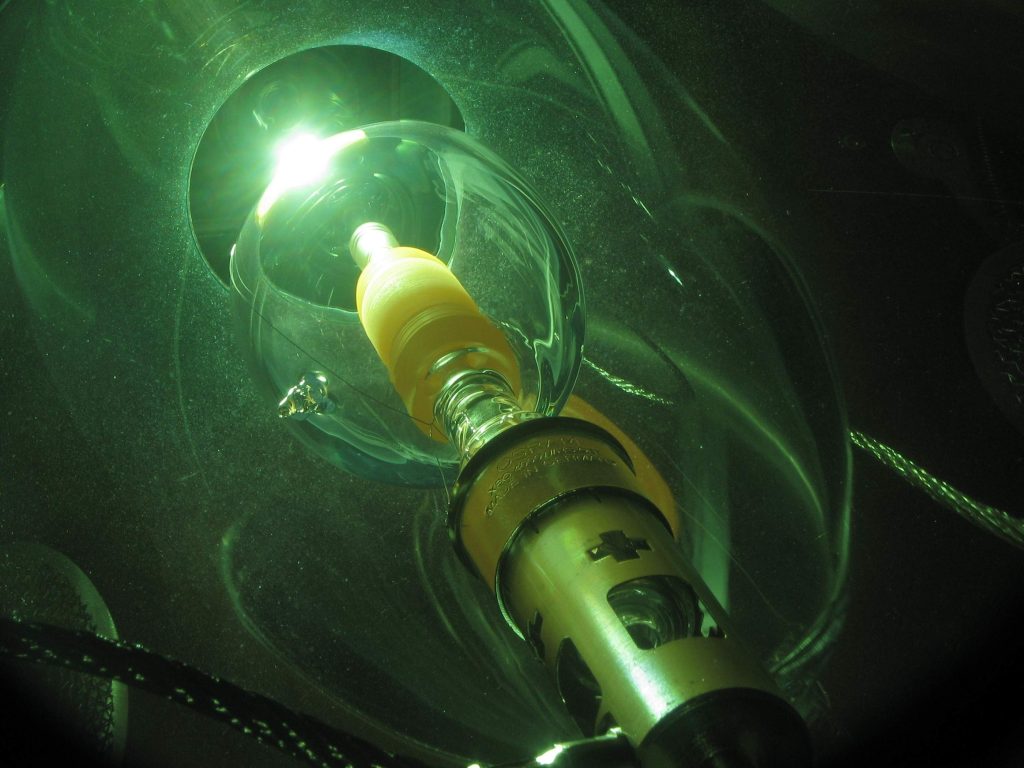
Gas-discharge tube lamps, also known as arc lamps, are a type of lighting technology that generates light by sending an electrical discharge through an ionized gas. Unlike traditional incandescent bulbs that produce light by heating a filament, gas-discharge lamps utilize the ionization of gases such as argon, mercury, sodium, neon, or xenon. This ionization process results in the emission of light, making these lamps highly efficient.
The Importance of Gas-Discharge Tube Lamps
Gas-discharge tube lamps play a crucial role in modern lighting, offering energy efficiency, a long lifespan, high luminous efficacy, and versatility. They are integral to residential, commercial, industrial, and specialty lighting applications, providing reliable and efficient illumination. As technology continues to evolve, gas-discharge lamps will remain a vital component of sustainable and effective lighting solutions, illuminating our world in innovative ways.
Gas-Discharge Tube Lamps Advantages and Disadvantages
Gas-discharge tube lamps have become an essential part of modern lighting solutions. These lamps, which produce light by passing an electric discharge through a gas, offer numerous benefits but also come with some drawbacks. In this comprehensive post, we will explore the advantages and disadvantages of gas-discharge tube lamps, providing insights into their technology, applications, and overall impact on the lighting industry.
Gas-Discharge Tube Lamps Advantages
Energy Efficiency: One of the most significant advantages of gas-discharge tube lamps is their energy efficiency. These lamps convert a higher percentage of electrical energy into visible light compared to incandescent bulbs. This efficiency results in lower energy consumption, which translates into reduced electricity bills and less environmental impact. Fluorescent lamps, for instance, are known to use about 75% less energy than incandescent bulbs, making them a popular choice for energy-conscious consumers.
High Luminous Efficacy: Luminous efficacy is a measure of how well a light source produces visible light. Gas-discharge lamps, especially high-intensity discharge (HID) lamps like metal halide and sodium vapor lamps, have high luminous efficacy. This means they produce a bright and powerful light output while consuming less energy. For instance, metal halide lamps can achieve luminous efficacies of up to 100 lumens per watt, making them ideal for applications requiring strong illumination, such as sports arenas, street lighting, and industrial facilities.
Improved Color Rendering: Certain types of gas-discharge lamps, such as metal halide lamps, offer excellent color rendering properties. Color rendering refers to the ability of a light source to accurately reproduce the colors of objects. High color rendering is crucial in environments where accurate color perception is essential, such as retail stores, art galleries, and medical facilities. Metal halide lamps, for example, provide a broad spectrum of light that closely resembles natural daylight, enhancing the visual appeal and accuracy of colors.
Long Lifespan: Gas-discharge tube lamps typically have a much longer lifespan compared to traditional incandescent and halogen lamps. Fluorescent lamps can last up to 10,000 hours, while metal halide and sodium vapor lamps can last even longer, sometimes up to 20,000 hours. This extended lifespan reduces the frequency of replacements, leading to lower maintenance costs and less waste. In industrial and commercial settings, where changing lamps frequently can be costly and disruptive, the long lifespan of gas-discharge lamps is particularly advantageous.
Versatility: Gas-discharge lamps come in various shapes, sizes, and configurations, making them versatile for a wide range of applications. From compact fluorescent lamps (CFLs) used in residential lighting to powerful xenon lamps in automotive headlights, gas-discharge lamps offer solutions for almost every lighting need. Their versatility extends to their ability to produce different colors and intensities of light, allowing for customized lighting solutions in various settings.
Cost-Effectiveness: While the initial cost of some gas-discharge lamps may be higher than that of traditional incandescent bulbs, their energy efficiency and long lifespan result in significant cost savings over time. This cost-effectiveness makes them an attractive option for both residential and commercial users. For instance, the savings on electricity bills and reduced maintenance costs can quickly offset the higher upfront investment in gas-discharge lamps.
Gas-Discharge Tube Lamps Disadvantages
Initial Cost: One of the main disadvantages of gas-discharge tube lamps is their higher initial cost compared to traditional incandescent bulbs. While they offer long-term savings in terms of energy efficiency and lifespan, the upfront investment can be a barrier for some consumers. This is particularly true for high-intensity discharge lamps like metal halide and xenon lamps, which can be significantly more expensive than other lighting options.
Environmental Concerns: Many gas-discharge lamps contain hazardous materials, such as mercury in fluorescent and mercury vapor lamps. Mercury is a toxic substance that can pose environmental and health risks if not handled and disposed of properly. Improper disposal of these lamps can lead to mercury contamination in soil and water, posing a threat to wildlife and human health. Therefore, proper recycling and disposal methods are essential to mitigate the environmental impact of gas-discharge lamps.
Warm-Up Time: Some gas-discharge lamps, particularly high-intensity discharge lamps like metal halide and sodium vapor lamps, require a warm-up time to reach their full brightness. This warm-up period can range from a few seconds to several minutes, which can be inconvenient in situations where immediate lighting is needed. Additionally, if the lamp is turned off and then turned back on, it may require a cooling-down period before it can be re-lit, further adding to the inconvenience.
Flicker and Noise: Fluorescent lamps are known to produce flickering and buzzing noises, especially as they age or if the ballast is faulty. Flickering can cause discomfort and eye strain, particularly in environments where steady, flicker-free lighting is important, such as offices and schools. The buzzing noise can also be a source of annoyance, detracting from the comfort and tranquility of a space.
Color Temperature Variations: While some gas-discharge lamps offer excellent color rendering, others may produce light with color temperature variations that are less desirable. For instance, low-pressure sodium vapor lamps emit a monochromatic yellow light that can distort color perception. This makes them unsuitable for applications where accurate color rendering is important. Additionally, the color temperature of some gas-discharge lamps can change over time, affecting the consistency and quality of the lighting.
UV Radiation: Certain types of gas-discharge lamps, such as mercury vapor and metal halide lamps, emit ultraviolet (UV) radiation. Prolonged exposure to UV radiation can be harmful to human health, causing skin and eye damage. In applications where these lamps are used, it is important to use protective measures, such as UV-blocking glass or coatings, to mitigate the risks associated with UV exposure.
Classification of Gas-Discharge Tube Lamps
Gas-discharge tube lamps are a diverse category of lighting devices that utilize the ionization of gases to produce light. They are classified based on various factors, including the type of gas used, gas pressure within the tube, material technology, electrode type, and starting mechanism. Understanding these classifications helps in selecting the right type of lamp for specific applications. In this comprehensive tutorial, we will explore the classification of gas-discharge tube lamps across these different categories.
Classification by Gas Type
Gas-discharge tube lamps can be categorized based on the type of gas used in the tube. Each type of gas emits light of different colors and characteristics, making them suitable for specific applications:
Argon Lamps
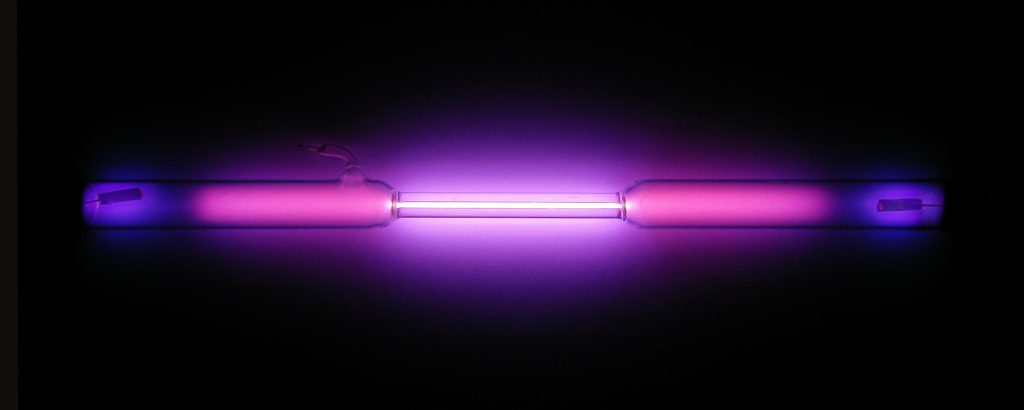
Argon lamps use argon gas, which emits a blue-green light when ionized. They are commonly used in scientific and medical equipment where a precise, visible light source is required.
Mercury Vapor Lamps
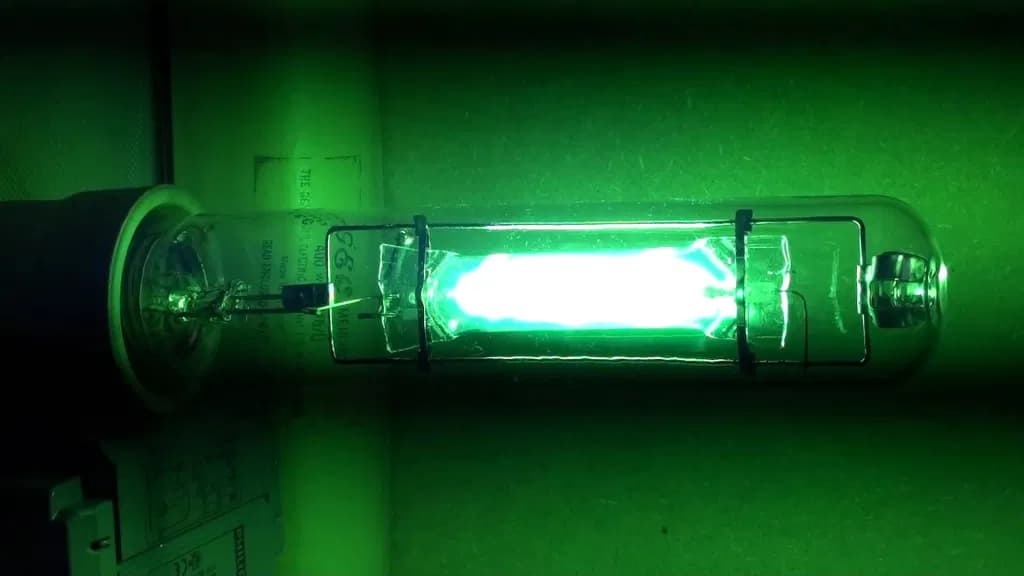
Mercury vapor lamps contain mercury vapor that produces a bluish-white light when ionized. They are used in street lighting, industrial facilities, and sports stadiums due to their high efficiency and long lifespan.
Metal Halide Lamps
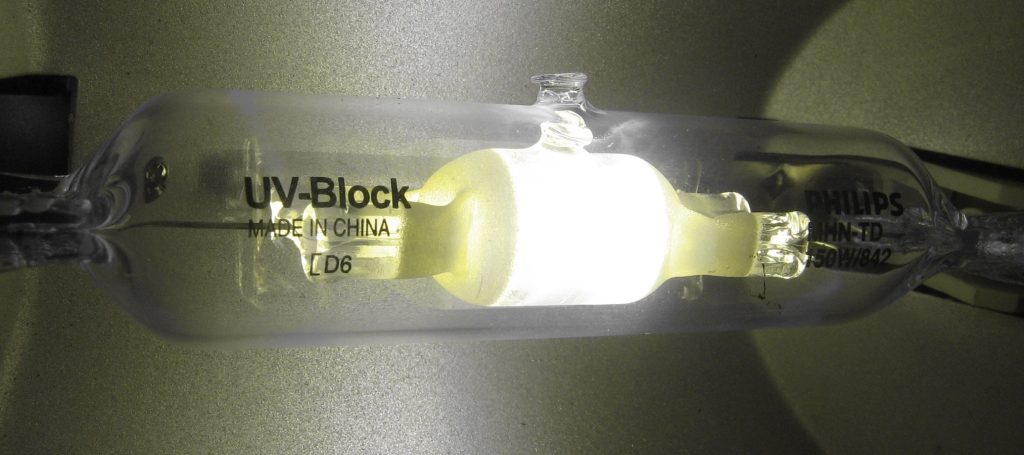
Metal halide lamps use a combination of metal halides and mercury vapor to produce a high-intensity light with excellent color rendering properties. They are popular in retail lighting, automotive headlights, and outdoor floodlights.
Neon Lamps
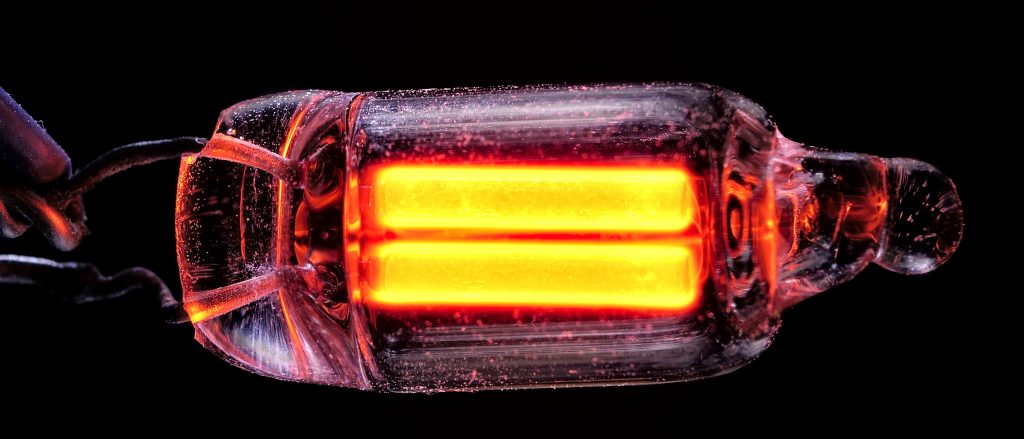
Neon lamps utilize neon gas to produce a distinctive red-orange glow. They are commonly used in neon signs and decorative lighting applications where a vibrant and eye-catching display is desired.
Sodium Vapor Lamps
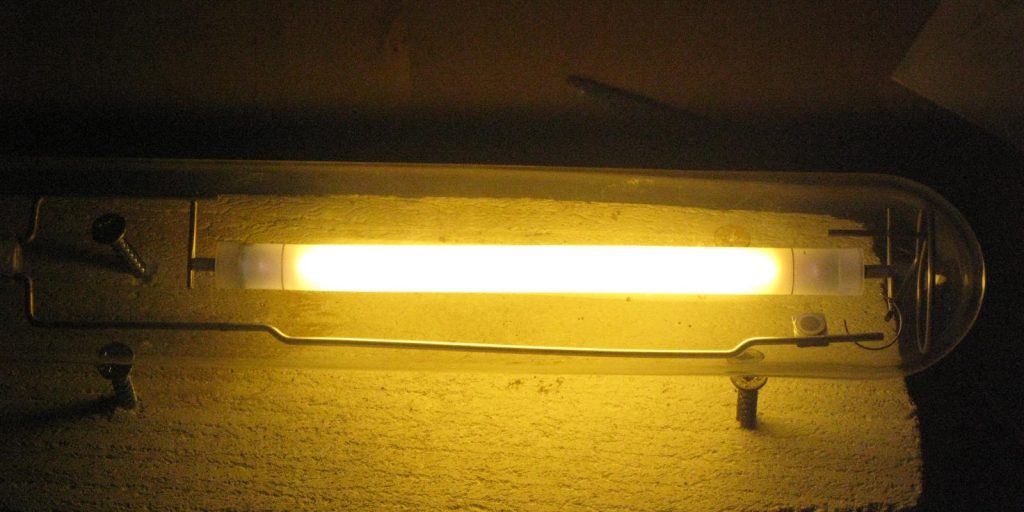
Sodium vapor lamps emit a characteristic yellow-orange light when ionized. They are widely used in street lighting and outdoor applications where visibility and energy efficiency are critical.
Xenon Lamps
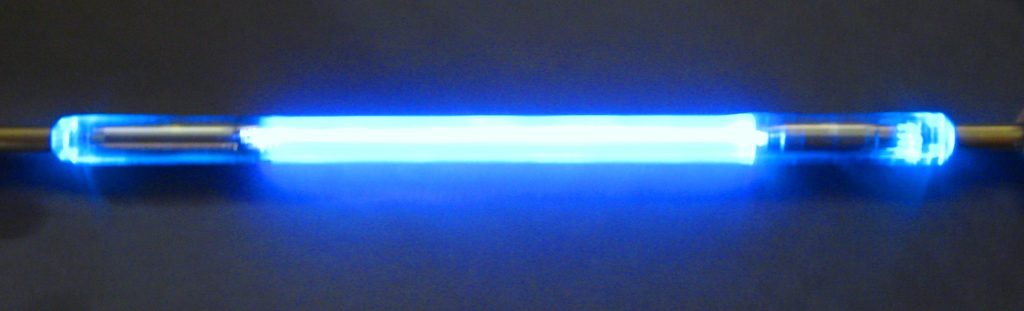
Xenon lamps contain xenon gas and produce a bright, white light similar to daylight. They are used in automotive headlights, cinema projectors, and specialized lighting applications requiring high-intensity illumination.
Classification by Gas Pressure
Gas-discharge tube lamps can also be classified based on the pressure of the gas within the tube, which affects their performance and light output.
Low-Pressure Discharge Lamps
Low-pressure discharge lamps operate at lower pressures and include:
Fluorescent Lamps
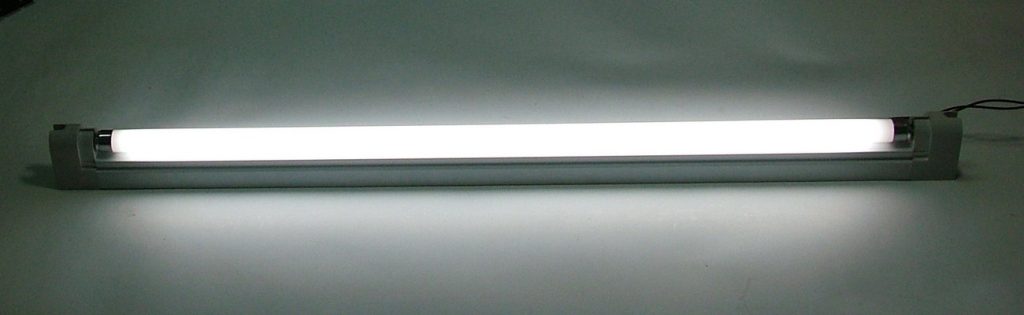
These lamps use low-pressure mercury vapor to produce ultraviolet light, which is then converted into visible light by a phosphor coating inside the tube. They are widely used in industrial, commercial, and residential lighting due to their energy efficiency and long lifespan.
Low-Pressure Sodium Lamps
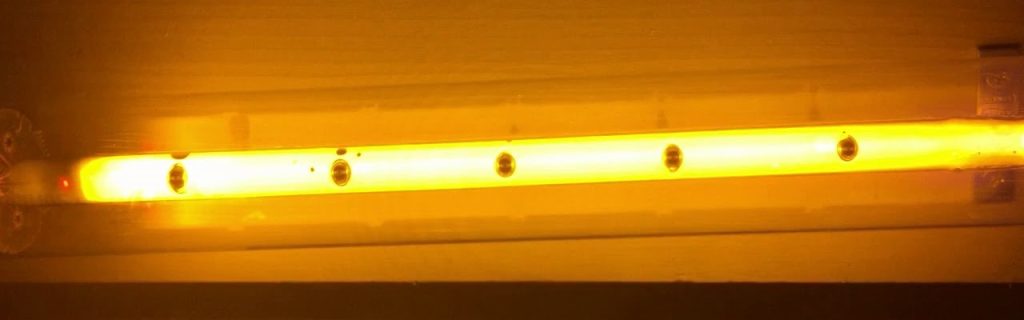
These lamps emit a monochromatic yellow light and are used in street lighting to reduce light pollution and improve visibility in nighttime conditions.
High-Pressure Discharge Lamps
High-pressure discharge lamps operate at higher pressures and include:
High-Pressure Mercury Vapor Lamps
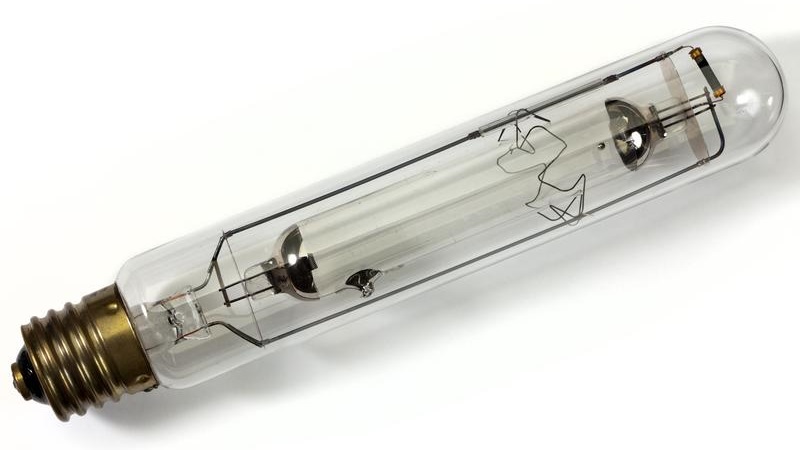
These lamps produce a bluish-white light and are used in industrial lighting, photography, and some outdoor applications.
High-Pressure Sodium Lamps
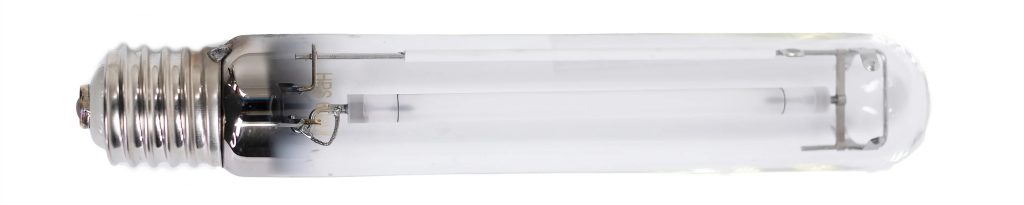
These lamps emit a golden-white light and are commonly used in street lighting and security lighting due to their high efficiency and long life.
Metal Halide Lamps
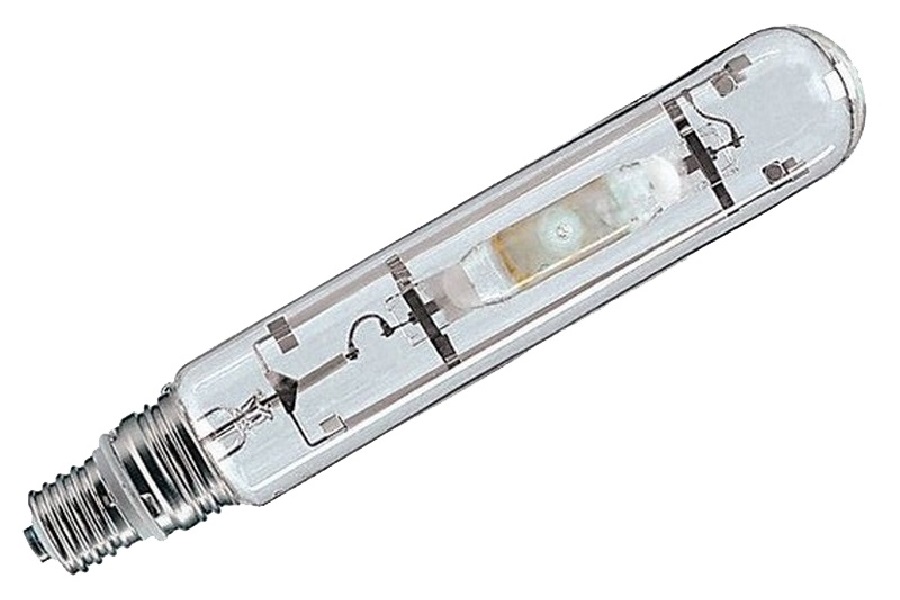
These lamps combine mercury vapor with metal halides to produce a high-intensity light with excellent color rendering properties. They are used in retail stores, sports arenas, and automotive lighting.
Classification by Materials Technology
Gas-discharge tube lamps can be classified based on the materials and technology used in their construction.
Linear Tubes
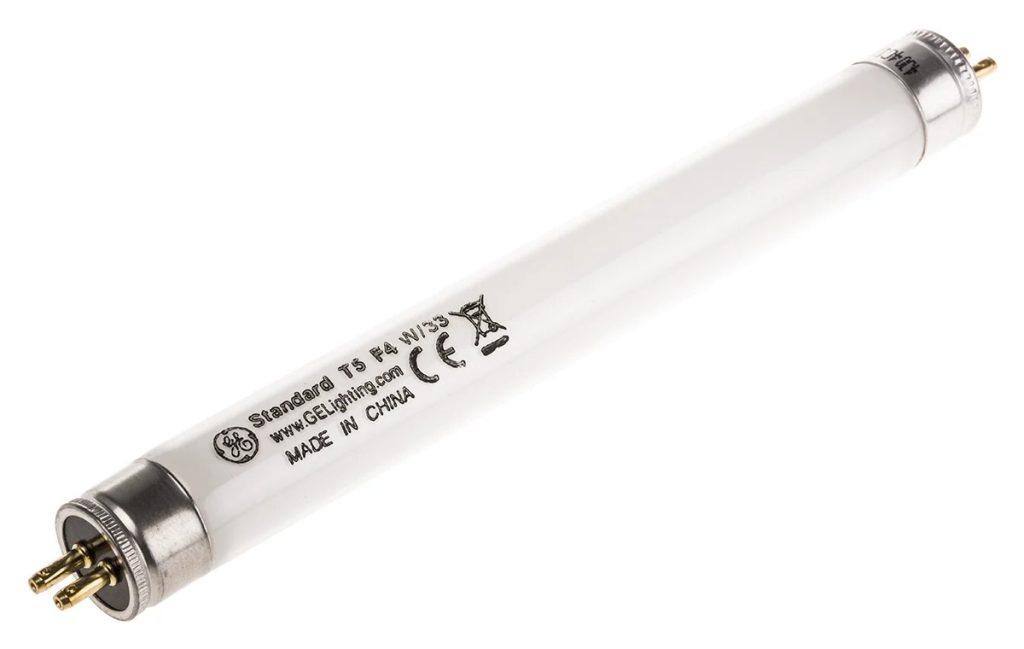
Linear tubes refer to the traditional tubular design of fluorescent lamps and some high-intensity discharge lamps. They are versatile and used in a wide range of indoor and outdoor lighting applications.
Neon Signs
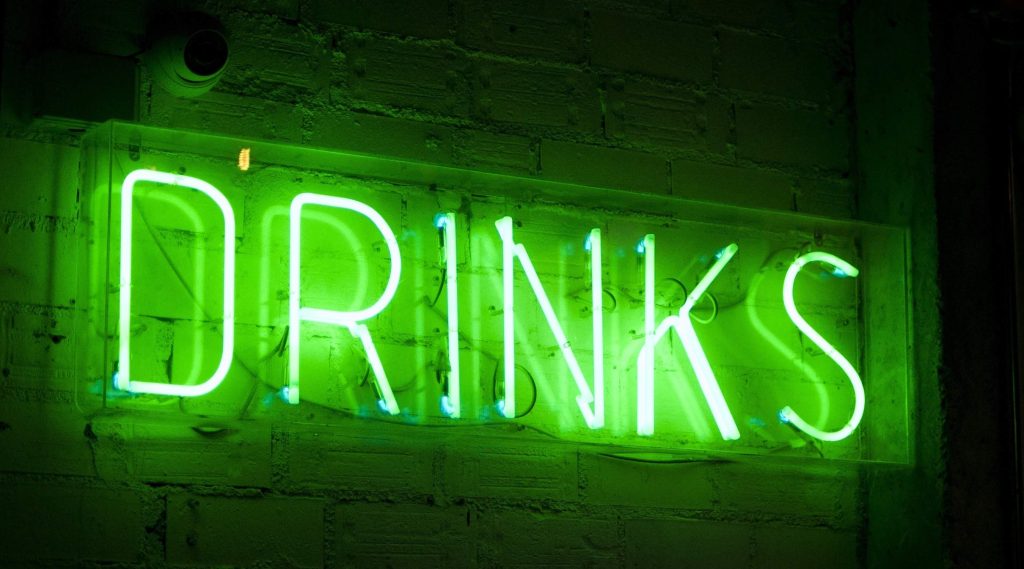
Neon signs use long glass tubes filled with neon or other gases to create colorful signs and displays. They are popular in advertising and decorative lighting due to their vibrant colors and eye-catching appearance.
Compact Fluorescent Lamps (CFLs)
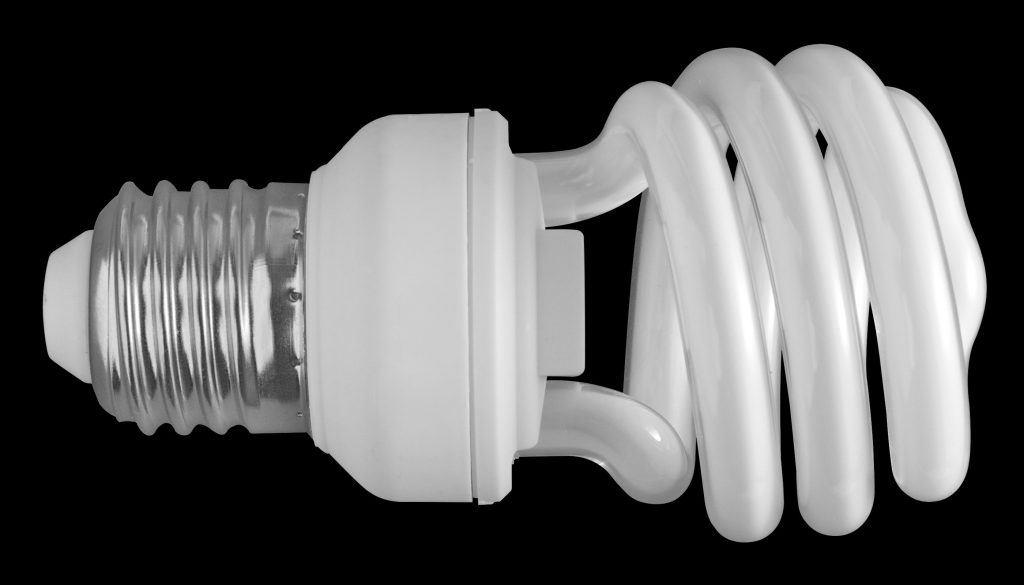
CFLs are energy-efficient alternatives to incandescent bulbs and use a compact design with a built-in ballast. They are used in residential and commercial lighting fixtures to reduce energy consumption and operating costs.
Flashtube – Xenon Flashlamp
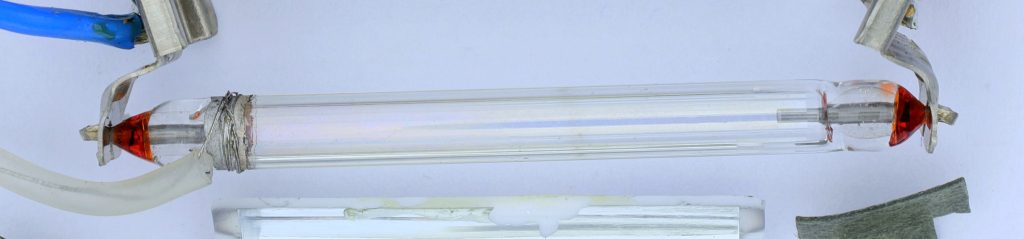
Xenon flashlamps, also known as flashtubes, produce intense flashes of light and are used in photography, strobe lights, and high-speed imaging applications.
High-Intensity Discharge (HID) Lamps
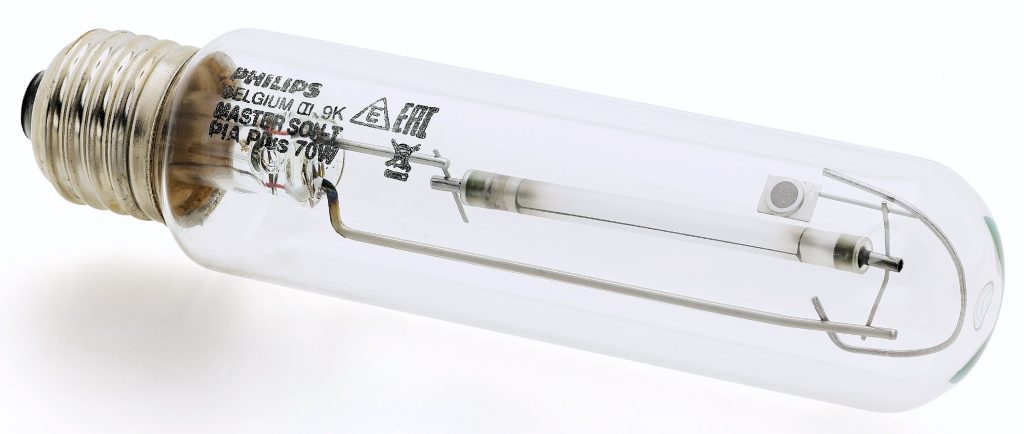
HID lamps include metal halide lamps, mercury vapor lamps, and high-pressure sodium lamps. They are characterized by their high efficiency, long lifespan, and powerful light output, making them suitable for various indoor and outdoor lighting applications.
Ultra High Performance (UHP) Lamps
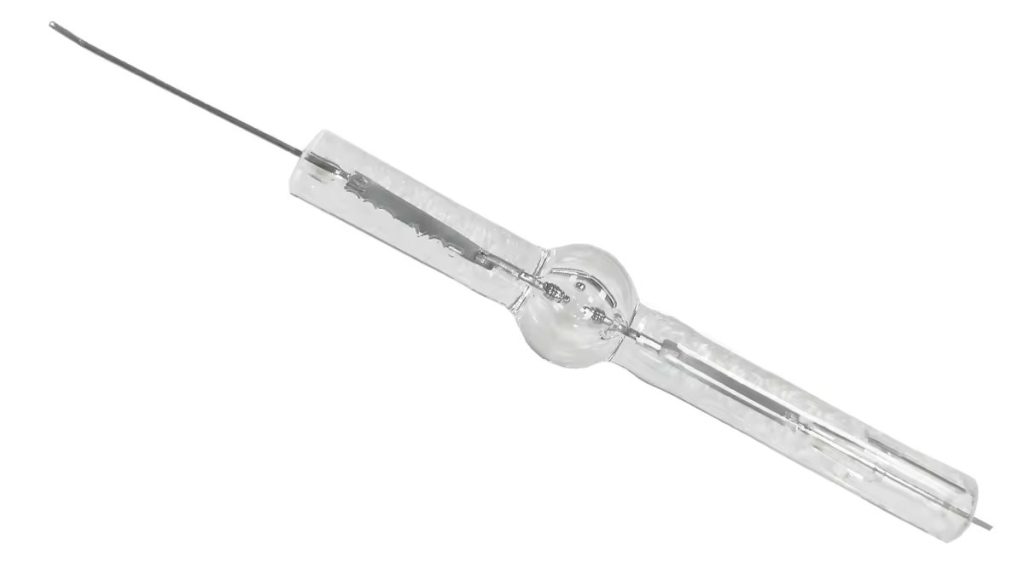
UHP lamps are a specialized type of high-intensity discharge lamp used in projection systems and some medical devices. They offer precise light output and are designed for specific applications requiring high-performance lighting.
Classification by Electrode Type
Gas-discharge tube lamps can also be classified based on the type of electrodes used to initiate and maintain the electrical discharge within the tube:
Electrodeless Gas-Discharge Lamp – Plasma Lamps
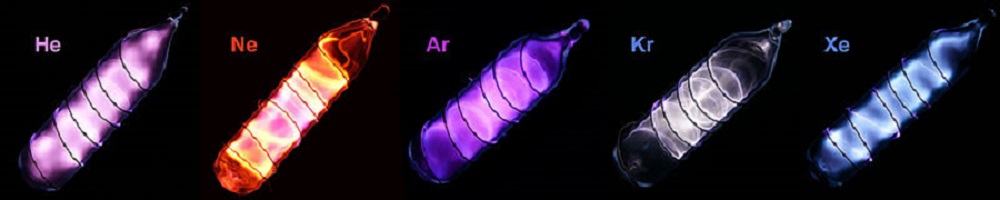
Plasma lamps use radiofrequency or microwave energy to ionize the gas within the tube without the need for traditional electrodes. They are used in specialized lighting applications and research environments.
Cold Cathode Lamps
Cold cathode lamps operate with electrodes that do not require heating to emit electrons, resulting in a longer lifespan and more efficient operation than hot cathode lamps.
Neon Lamps
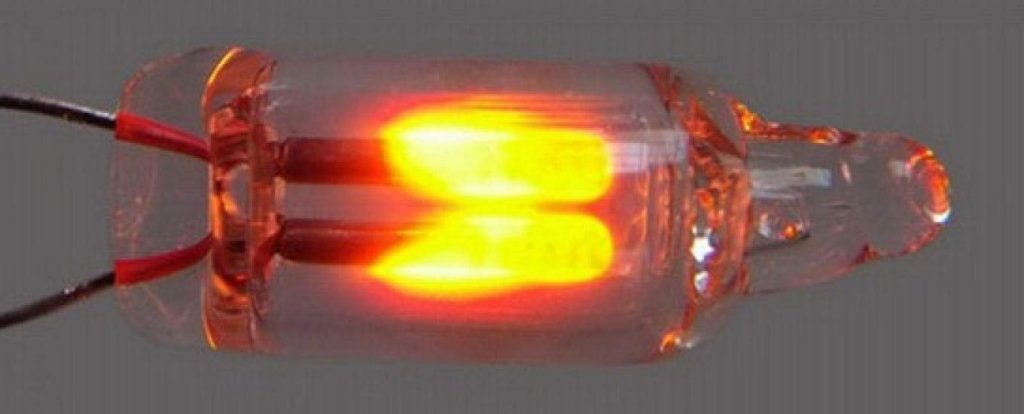
These lamps use cold cathodes and neon gas to produce a distinctive glow, often used in decorative lighting and signage.
Cold Cathode Fluorescent Lamps (CCFLs)

CCFLs are similar to traditional fluorescent lamps but operate with cold cathodes, offering improved efficiency and longevity.
Hot Cathode Lamps
Hot cathode lamps use electrodes that require heating to emit electrons, typically resulting in shorter lifespans and higher energy consumption compared to cold cathode lamps.
Fluorescent Lamps

Traditional fluorescent lamps use hot cathodes and low-pressure mercury vapor to produce visible light through phosphor conversion.
Compact Fluorescent Lamps (CFLs)
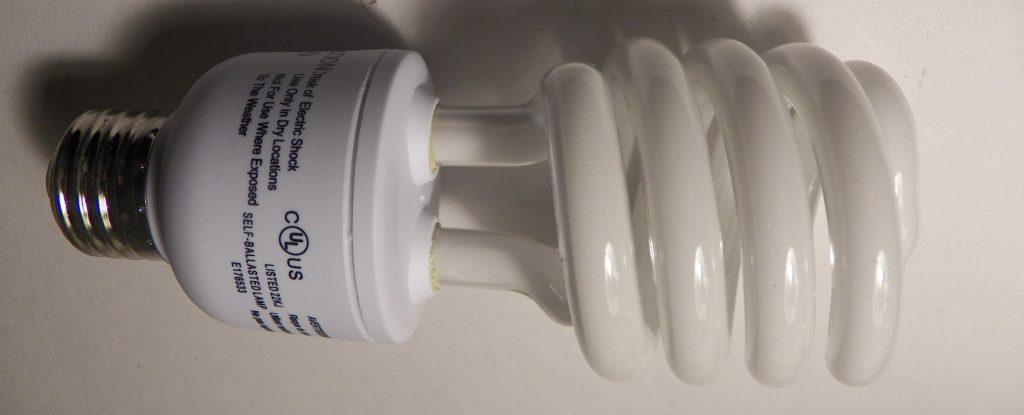
CFLs use a compact design with hot cathodes and a built-in ballast, offering energy-efficient alternatives to incandescent bulbs.
Classification by Starting Mechanism
Gas-discharge tube lamps can be classified based on the mechanism used to start and maintain the electrical discharge within the tube:
Preheat
Preheat lamps require a starter or external device to preheat the electrodes before the discharge can be initiated. They are commonly found in older fluorescent lamp designs and some specialty lighting applications.
Rapid Start
Rapid-start lamps use a more sophisticated ballast design to initiate the discharge without extensively preheating the electrodes. They offer quicker startup times and improved efficiency compared to preheat lamps.
Instant Start
Instant start lamps use a high-frequency electronic ballast to initiate the discharge almost instantly without any preheating of the electrodes. They are commonly used in modern fluorescent lamps and offer the fastest startup times and highest efficiency.
Applications of Gas-Discharge Tube Lamps
Gas-discharge tube lamps work by passing an electric current through a gas, which ionizes the gas and produces light. These lamps come in several types, including fluorescent, neon, mercury vapor, sodium vapor, and metal halide lamps, each with unique properties and uses. This tutorial explores their applications in residential, commercial, industrial, outdoor, and specialized lighting.
Residential Lighting
Fluorescent Lamps: Fluorescent lamps are a staple in residential lighting due to their energy efficiency and long lifespan. They are commonly used in kitchens, bathrooms, and basements, where bright, consistent lighting is essential. Compact Fluorescent Lamps (CFLs), a type of fluorescent lamp, are particularly popular for their ability to fit into standard lamp fixtures, offering an energy-efficient alternative to incandescent bulbs.
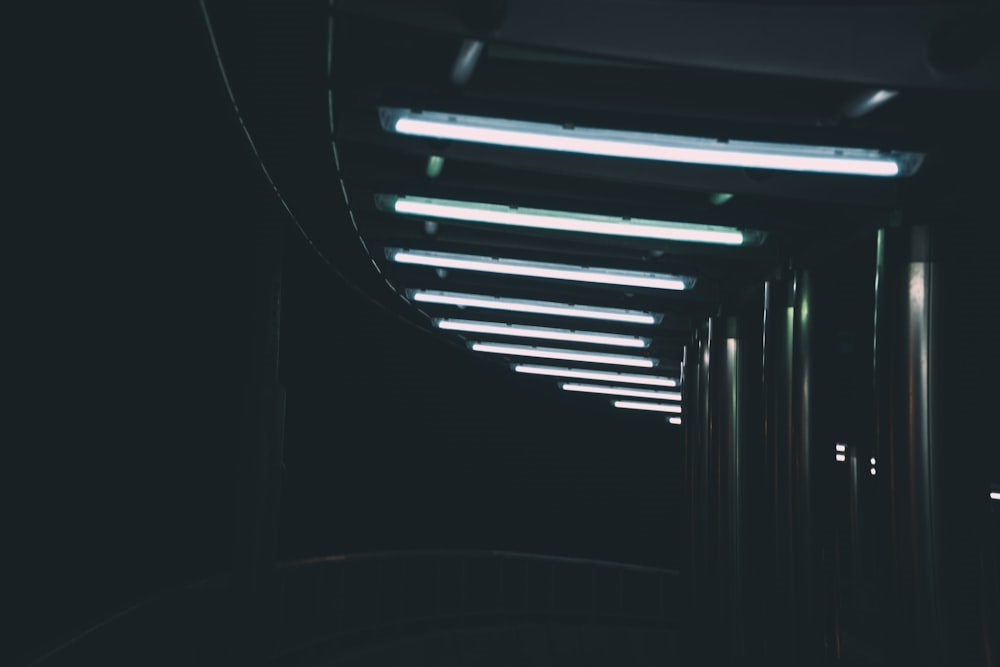
Decorative Neon Lamps: Neon lamps add a unique aesthetic to residential settings. Often used in home decor, they can create vibrant signs, accent lighting, and artistic installations. Neon lamps are prized for their ability to produce a wide range of colors, adding a stylish touch to home interiors and exteriors.
Commercial Lighting
Office and Retail Spaces: Fluorescent and CFL lamps are extensively used in office and retail environments due to their bright, cost-effective illumination. They provide the necessary lighting for workspaces, contributing to a productive and comfortable environment. In retail spaces, fluorescent lamps enhance the visibility of products, creating an inviting shopping experience.
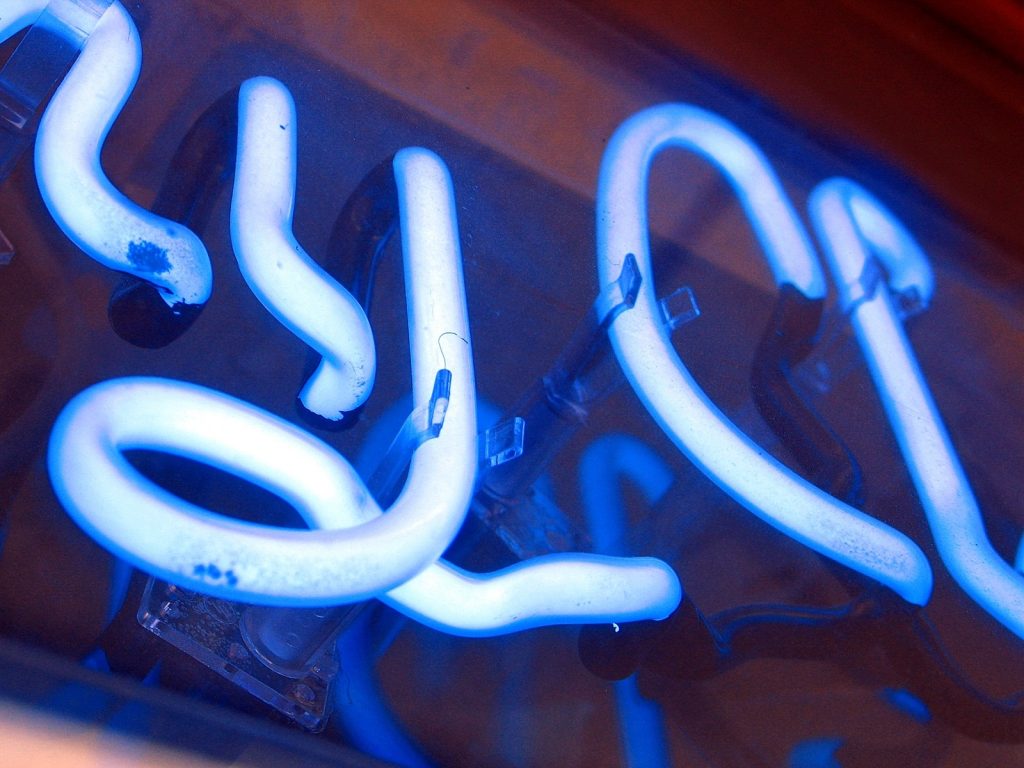
Display and Accent Lighting: Neon and cold cathode fluorescent lamps (CCFLs) are ideal for display and accent lighting in commercial settings. They are commonly used in showcases, display cases, and signage. These lamps highlight products and displays with vibrant, eye-catching light, attracting customers and enhancing the visual appeal of retail spaces.
Industrial Lighting
High-Intensity Discharge (HID) Lamps: HID lamps, including metal halide, mercury vapor, and high-pressure sodium lamps, are crucial in industrial settings. They provide intense, high-efficiency lighting suitable for large areas such as warehouses, factories, and manufacturing plants. Their powerful light output enhances safety and productivity by ensuring that industrial spaces are well-lighted.
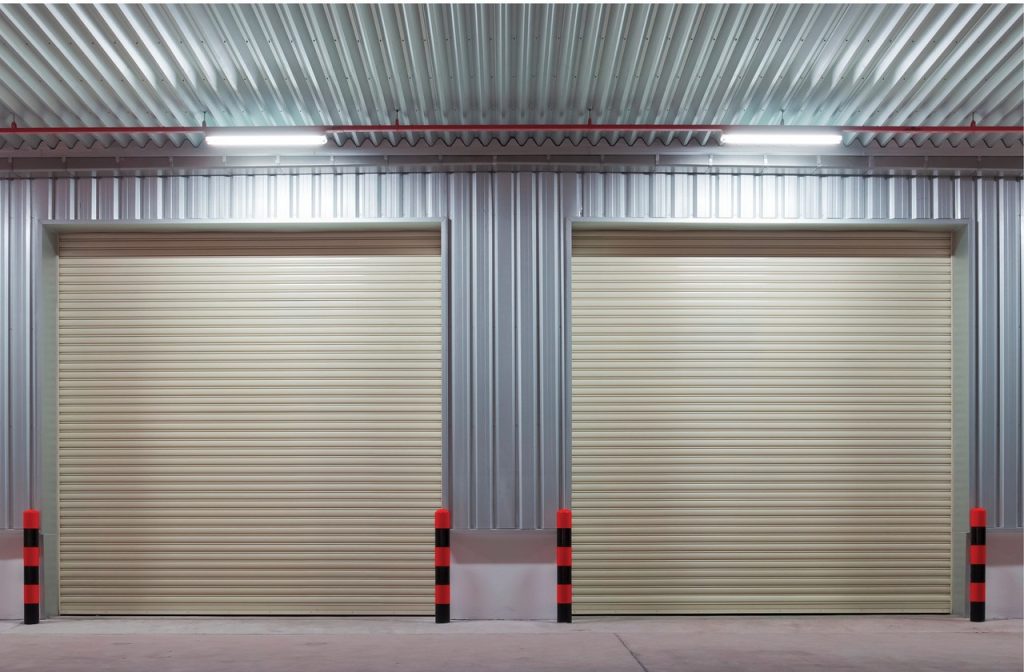
Hazardous Location Lighting: In environments with explosive or hazardous materials, specific gas-discharge lamps, like explosion-proof fluorescent lamps, are used. These lamps are designed to operate safely in volatile conditions, providing reliable lighting without the risk of ignition.
Outdoor Lighting
Street and Highway Lighting: Sodium vapor and metal halide lamps are the primary choices for street and highway lighting. Their high luminous efficacy and long lifespan make them ideal for illuminating roads, highways, and public areas. They enhance nighttime visibility, contributing to road safety and reducing accidents.

Security and Flood Lighting: HID lamps are extensively used in security and floodlighting applications. Their powerful light output is ideal for illuminating large outdoor areas, such as parking lots, stadiums, and construction sites. This type of lighting deters crime and ensures the safety of public and private spaces.
Landscape and Architectural Lighting: Gas-discharge lamps are also popular in landscape and architectural lighting. Neon and metal halide lamps are used to highlight architectural features, gardens, and outdoor art installations. Their ability to produce vibrant colors and various light intensities makes them perfect for creating dramatic, visually appealing outdoor spaces.
Specialized Applications
Medical and Scientific Equipment: Gas discharge lamps are integral to various medical and scientific equipment. Mercury vapor lamps, for instance, are used in some types of microscopes and medical imaging devices due to their ability to produce intense ultraviolet (UV) light. Xenon lamps are used in surgical lighting and endoscopes, providing bright, focused light essential for medical procedures.
Photography and Film Production: Xenon and metal-halide lamps are widely used in photography and film production. They provide the bright, consistent light necessary for high-quality image capture. Xenon flash lamps, in particular, are used in studio lighting and flash photography, delivering powerful bursts of light to illuminate subjects effectively.
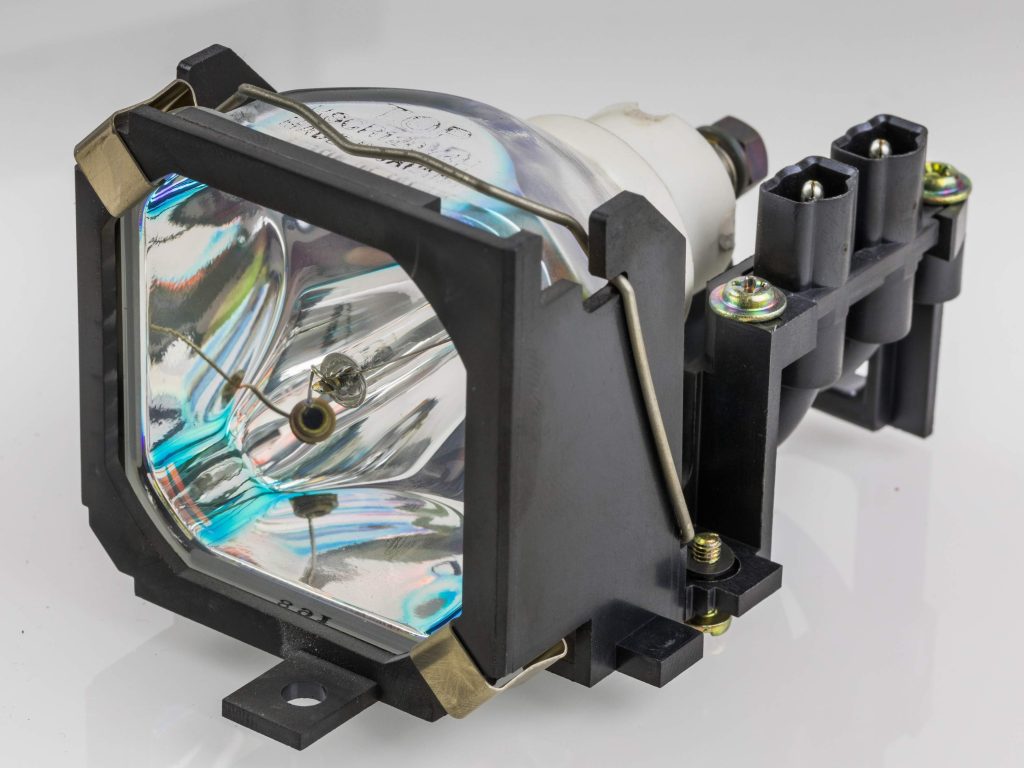
Automotive Lighting: Xenon HID lamps are common in automotive headlights. They produce a bright, white light that closely resembles natural daylight, improving nighttime driving visibility. Their high luminous efficacy and long lifespan make them a popular choice for both standard and high-performance vehicles.
Aviation and Marine Lighting: In aviation, gas-discharge lamps are used in runway and taxiway lighting, ensuring that airports are safely illuminated during night operations. Metal-halide and high-pressure sodium lamps provide the intense light needed for clear visibility. In marine applications, gas-discharge lamps are used in lighthouse beacons and navigational aids, helping to guide ships safely.
Entertainment and Stage Lighting: Gas-discharge lamps, particularly metal halide and xenon lamps, are essential in entertainment and stage lighting. They provide the bright, focused light needed to highlight performers and set designs. These lamps are used in spotlights, projectors, and special effects lighting, contributing to the visual impact of live performances and events.
Gas-Discharge Tube Lamps Best Practices
Gas-discharge tube lamps, known for their efficiency, durability, and versatility, are widely used in various applications, from residential and commercial lighting to industrial and specialized uses. To maximize their benefits and ensure safe, efficient operation, it is essential to follow best practices in installation, maintenance, and disposal. This guide outlines the best practices for using gas-discharge tube lamps, ensuring optimal performance and longevity.
Gas-discharge tube lamps are widely used in various applications due to their efficiency, long lifespan, and ability to produce high-intensity light. These lamps, which include fluorescent, neon, mercury vapor, sodium vapor, and metal halide lamps, operate by ionizing gas within a sealed tube to produce light. To maximize their benefits and ensure safe, efficient, and effective operation, it’s essential to follow best practices in their installation, maintenance, and disposal.
Proper installation of gas-discharge tube lamps is crucial to their performance and longevity. When installing these lamps, ensure that the fixture is compatible with the specific type of lamp being used. Different types of gas-discharge lamps require different fixtures and ballasts, which regulate the electrical current to the lamp. Using the wrong fixture or ballast can lead to reduced efficiency, a shortened lifespan, or even lamp failure. Always follow the manufacturer’s guidelines for installation, including the recommended voltage and current settings.
Positioning the lamp correctly within the fixture is also important. Ensure that the lamp is securely fitted into the socket and that there is no undue pressure on the lamp’s structure. Improper installation can cause flickering, reduced light output, and potential damage to the lamp and fixture. For outdoor installations, ensure that the fixtures are weatherproof and designed to protect the lamps from environmental factors such as moisture, dust, and extreme temperatures.
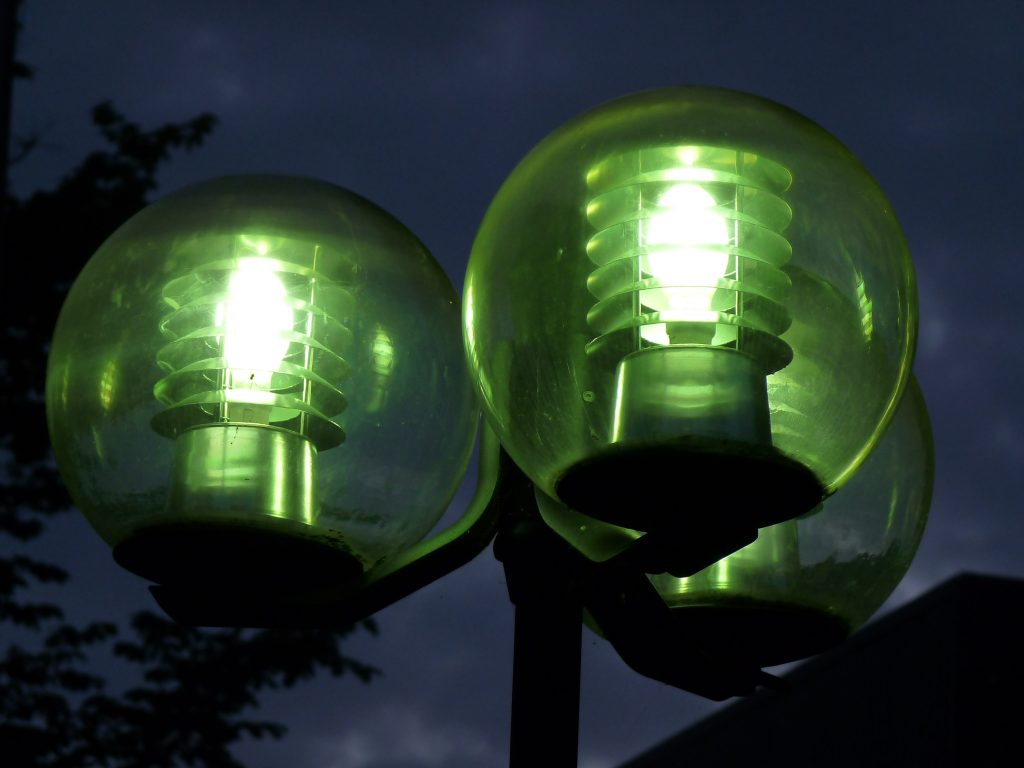
Periodic maintenance of gas-discharge tube lamps is essential to maintain their performance and extend their lifespan. One of the most important maintenance tasks is regularly cleaning the lamps and fixtures. Dust and dirt accumulation can reduce light output and cause the lamp to overheat. Use a soft, dry cloth or a cloth dampened with a mild cleaning solution to wipe down the lamps and fixtures. Avoid using abrasive materials or harsh chemicals that can damage the lamp’s surface.
Inspecting the lamps and fixtures for signs of wear and damage is another critical maintenance practice. Look for cracks, discoloration, or signs of corrosion on the lamp and fixture components. If any damage is detected, replace the affected parts immediately to prevent further issues. Also, check the connections and wiring to ensure they are secure and free from damage. Loose or damaged connections can cause flickering, reduced efficiency, and potential safety hazards.
Replacing gas-discharge tube lamps at the end of their lifespan is necessary to maintain optimal lighting performance. Most gas-discharge lamps have a specified lifespan, typically measured in hours of operation. When a lamp nears the end of its lifespan, it may start to flicker, produce less light, or change color. Replace the lamp promptly to avoid reduced lighting quality and potential safety risks. When replacing a lamp, ensure that the new lamp is the correct type and wattage for the fixture.
Implementing energy-efficient practices with gas-discharge tube lamps can further enhance their benefits. Consider using high-efficiency ballasts, which reduce energy consumption and improve the performance of the lamps. Additionally, installing occupancy sensors or timers can help reduce energy usage by ensuring that the lamps are only on when needed. These practices not only save energy but also extend the lifespan of the lamps by reducing unnecessary usage.

Selecting the right type of gas-discharge tube lamp for your specific application is fundamental to achieving the desired lighting outcomes. Different types of lamps are suited for different purposes. For example, fluorescent lamps are ideal for general lighting in residential and commercial settings due to their energy efficiency and long lifespan. Neon lamps are perfect for decorative and signage applications because of their vibrant colors. Metal halide and sodium vapor lamps are excellent for outdoor and industrial lighting due to their high-intensity light output. Assess the specific requirements of your application and choose the lamp type that best meets those needs.
Monitoring the performance of gas-discharge tube lamps over time can help identify issues before they become significant problems. Regularly check the light output, color consistency, and overall performance of the lamps. If you notice any deviations from the expected performance, such as reduced light output or flickering, investigate and address the issue promptly. This proactive approach helps maintain optimal lighting conditions and extends the lifespan of the lamps.
Considering the environmental impact of gas-discharge tube lamps is an important aspect of their usage. While these lamps offer energy efficiency and long lifespans, the presence of hazardous materials like mercury necessitates careful handling and disposal. Opt for low-mercury or mercury-free alternatives when available, and always follow proper disposal procedures to minimize environmental harm.
Staying updated with advancements in gas-discharge lighting technology can also benefit your lighting strategy. The lighting industry continually evolves, with new technologies and improvements emerging regularly. Keeping abreast of these developments can help you adopt more efficient, sustainable, and effective lighting solutions. Consider upgrading to newer, more advanced gas-discharge lamps or integrating smart lighting systems to enhance the performance and efficiency of your lighting setup.
Conclusions
Gas-discharge tube lamps have been integral to modern lighting solutions for over a century. These lamps, known for their efficiency, longevity, and ability to produce high-intensity light, are utilized in a myriad of applications, from residential and commercial settings to specialized industries such as medical equipment and aviation. One of the most significant benefits of gas-discharge lamps is their energy efficiency. Compared to traditional incandescent bulbs, gas-discharge lamps consume significantly less electricity to produce the same amount of light. This efficiency translates into reduced energy costs and a lower environmental impact, aligning with global efforts to reduce carbon footprints and promote sustainable energy use.
The longevity of gas-discharge tube lamps is another key advantage. These lamps typically last much longer than incandescent bulbs, reducing the frequency of replacements and the associated costs and labor. For instance, fluorescent lamps can last up to 15,000 hours, while some high-intensity discharge (HID) lamps, like metal halide and sodium vapor lamps, can last even longer. This durability makes them ideal for applications where consistent, long-term lighting is crucial, such as street lighting, industrial environments, and commercial spaces.
In addition to their efficiency and longevity, gas-discharge lamps offer versatility in lighting applications. Fluorescent lamps are commonly used in residential and office environments for general lighting due to their ability to provide bright, uniform illumination. Neon lamps, known for their vibrant colors, are widely used in signage and decorative applications. Mercury vapor and sodium vapor lamps are prevalent in outdoor and industrial lighting because of their intense light output, making them suitable for illuminating large areas like streets, parking lots, and sports arenas. Metal halide lamps, with their excellent color rendering properties, are often used in settings where color accuracy is critical, such as retail stores, art galleries, and stadiums.
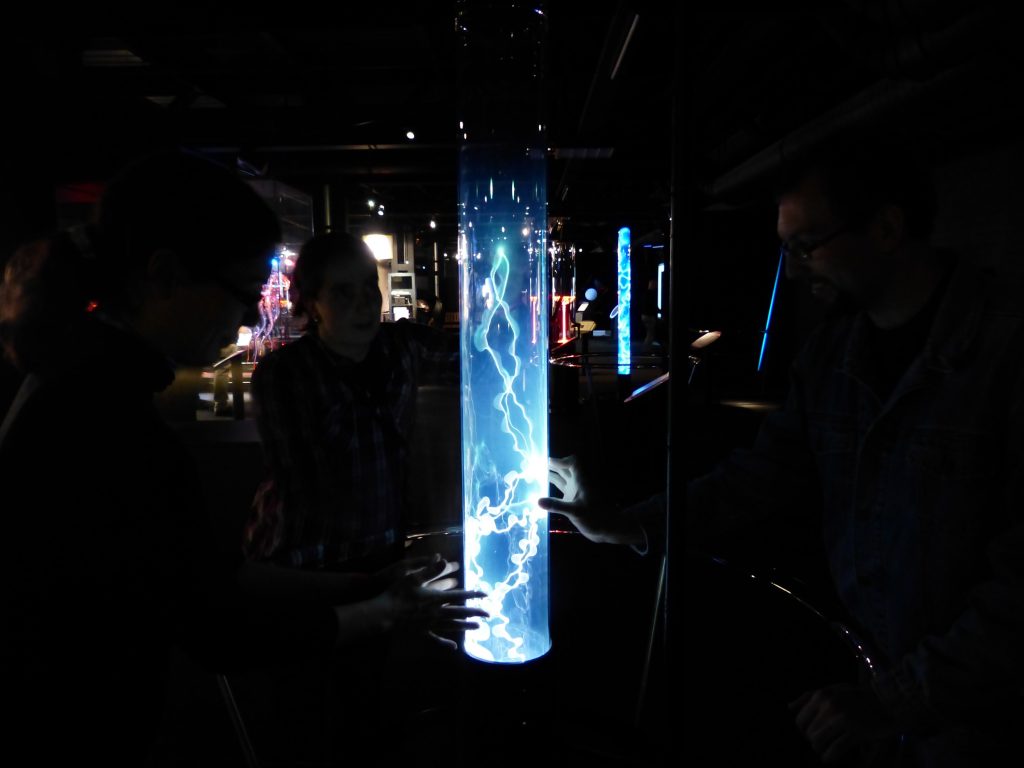
The role of gas-discharge tube lamps in specialized applications highlights their versatility and importance. In medical and scientific equipment, mercury vapor and xenon lamps provide the intense, focused light necessary for detailed imaging and analysis. In photography and film production, metal halide and xenon lamps deliver consistent, high-quality light essential for capturing precise images and footage. In automotive lighting, xenon HID lamps offer bright, white light that improves nighttime driving visibility and safety. These specialized applications demonstrate the adaptability of gas-discharge lamps to meet diverse and demanding lighting requirements.
Despite the rise of LED technology, which offers even greater energy efficiency and longer lifespans, gas-discharge tube lamps remain relevant in many applications. Their ability to produce high-intensity light, their cost-effectiveness, and their established presence in existing infrastructure make them a continued choice for various lighting needs. The transition to LEDs is ongoing, and in many cases, gas-discharge lamps serve as a complementary technology, filling niches where their specific characteristics are advantageous.
In conclusion, gas-discharge tube lamps represent a critical component of modern lighting technology. Their energy efficiency, long lifespan, and versatility make them suitable for a wide range of applications, from residential and commercial lighting to specialized uses in medical, scientific, and industrial fields. By adhering to best practices in installation, maintenance, and disposal, users can maximize the benefits of these lamps while minimizing their environmental impact. The ongoing innovations in gas-discharge lighting technology and the integration of smart systems ensure that these lamps will continue to play a significant role in sustainable and efficient lighting solutions. As the lighting industry evolves, gas-discharge tube lamps will remain a vital part of the diverse landscape of lighting technologies, contributing to brighter, safer, and more energy-efficient environments.
FAQs (Frequently Asked Questions) about Gas-Discharge Tube Lamps
Q1.Are gas-discharge tube lamps safe?
While gas-discharge tube lamps are generally safe to use, they do contain hazardous materials, such as mercury, especially in fluorescent and mercury vapor lamps. Proper handling, installation, and disposal are essential to minimize any health and environmental risks. Always follow manufacturer guidelines and local regulations regarding the use and disposal of these lamps.
Q2.Are gas-discharge tube lamps energy-efficient?
Yes, gas-discharge tube lamps are generally more energy-efficient than traditional incandescent bulbs. They use less electricity to produce the same amount of light, which translates into lower energy costs and reduced environmental impact. However, the energy efficiency can vary between different types of gas-discharge lamps. For example, low-pressure sodium lamps are among the most efficient, while metal halide lamps, although efficient, consume more energy than LEDs.
Q3.Are gas-discharge tube lamps cost-effective?
Gas-discharge tube lamps can be cost-effective due to their energy efficiency and long lifespan, which reduce the frequency of replacements and energy costs over time. While the initial cost may be higher than that of incandescent bulbs, the savings in electricity and maintenance often make them a more economical choice in the long run. Additionally, the wide range of available options allows for selecting lamps that best fit a specific budget and performance requirements.
Q4.Can gas-discharge tube lamps be used with dimmers?
Not all gas-discharge tube lamps are compatible with dimmer switches. Fluorescent and HID lamps, for example, require specific dimmable ballasts to work with dimmers. Standard dimmer switches designed for incandescent or LED bulbs may not work correctly with these lamps and could cause flickering or reduce the lifespan of the lamp. Always check the lamp specifications and use the appropriate dimming equipment.
Q5.Can gas-discharge tube lamps be used in cold environments?
Gas-discharge tube lamps can be used in cold environments, but their performance may be affected by low temperatures. Fluorescent lamps, in particular, can take longer to start and reach full brightness in cold conditions. However, there are specially designed cold-weather ballasts available that help improve the performance of these lamps in low temperatures. High-intensity discharge lamps, such as metal halide and sodium vapor lamps, generally perform better in cold environments compared to fluorescent lamps.
Q6.Can gas-discharge tube lamps be used in conjunction with other lighting technologies?
Yes, gas-discharge tube lamps can be used alongside other lighting technologies to create comprehensive lighting solutions. For example, a combination of gas-discharge lamps and LEDs can provide energy-efficient general lighting while using high-intensity discharge lamps for areas requiring bright, focused light. Integrating multiple lighting technologies allows for flexibility and optimization of lighting performance for different environments and applications.