
In the vast world of lighting solutions, incandescent tube lamps have a distinct place. These lamps, known for their warm and welcoming glow, have been lighting homes, offices, and public spaces for many years. Despite the advent of newer technologies like LED and CFL, incandescent tube lamps continue to be popular due to their unique characteristics. This comprehensive tutorial will delve into the details of incandescent tube lamps, their history, types, applications, benefits, and how they compare with other lighting technologies.
The history of incandescent lighting dates back to the 19th century. Thomas Edison and Joseph Swan are credited with the invention of the incandescent light bulb in the late 1870s. While early incandescent bulbs were mainly in the form of a standard bulb, the development of tube-shaped variants followed as the need for different lighting solutions grew.
Incandescent tube lamps were designed to provide linear illumination that was better suited for certain applications than the traditional bulb shape. These tube lamps became a staple in various settings, from industrial environments to household lighting, due to their ability to distribute light more evenly over larger areas.
Incandescent Tube Lamps Definition. What are Incandescent Tube Lamps
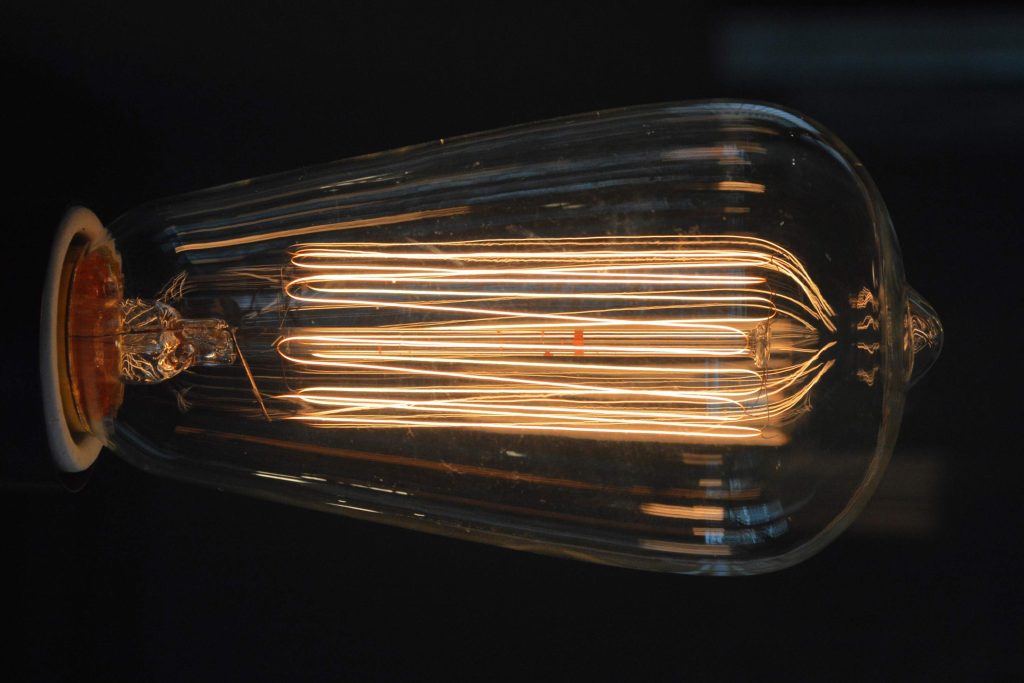
Incandescent tube lamps are a type of electric light that uses a tungsten filament heated to a high temperature by an electric current passing through it, causing it to glow and emit light. Unlike traditional incandescent bulbs, which are typically spherical or pear-shaped, incandescent tube lamps have a cylindrical or tubular shape, allowing them to provide linear lighting that is more evenly distributed across a wider area. This unique form factor makes them suitable for various applications, from residential and commercial lighting to specialty uses in photography and medical equipment.
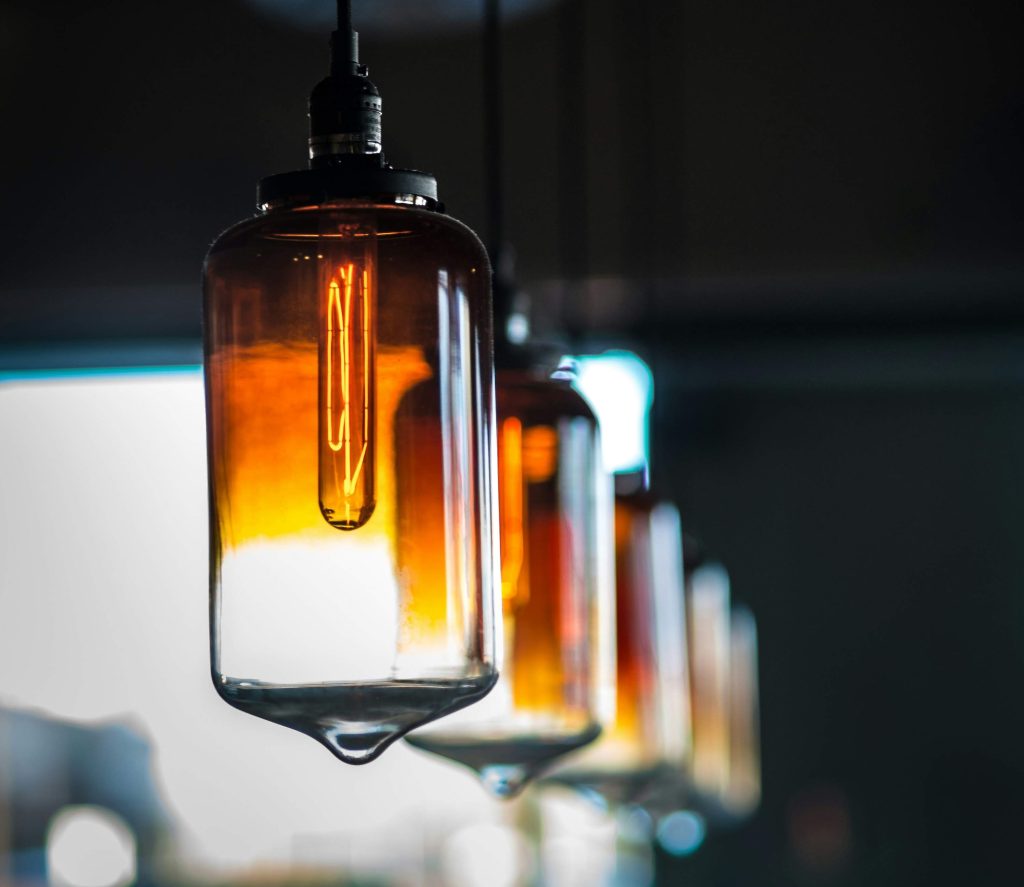
The Importance of Incandescent Tube Lamps
Incandescent tube lamps have played a crucial role in the evolution of lighting technology. Their warm light quality, high color rendering index, and versatility make them important in various applications, from residential to specialty lighting. Despite the rise of more energy-efficient alternatives, incandescent tube lamps offer unique benefits that maintain their relevance.
Incandescent Tube Lamps Advantages and Disadvantages
In the vast world of lighting technology, incandescent tube lamps have maintained a steady presence for over a century. Despite the emergence of more energy-efficient alternatives such as LEDs and CFLs, these traditional light sources continue to be used in various applications. To understand their enduring popularity, it’s essential to explore both the advantages and disadvantages of incandescent tube lamps. This comprehensive analysis will provide a thorough understanding of why these lamps are still relevant and where they may fall short in comparison to modern lighting solutions.
Incandescent Tube Lamps Advantages
Instant Full Brightness: Unlike some energy-efficient alternatives that require a warm-up period to reach full brightness, incandescent tube lamps provide immediate lighting. This instant light is crucial in situations where quick visibility is needed, such as emergency lighting or motion-activated security lights.
Superior Light Quality: One of the most significant advantages of incandescent tube lamps is the quality of light they produce. Known for their warm and inviting glow, these lamps closely mimic natural sunlight, which can have positive effects on mood and well-being. This characteristic makes them ideal for residential settings, where creating a cozy and comfortable atmosphere is often a priority.
High Color Rendering Index (CRI): Incandescent tube lamps typically have a CRI close to 100, meaning they render colors very accurately and vividly. This high CRI is crucial in applications where true color representation is essential, such as art studios, photography, and certain retail environments where the accurate display of product colors is important.
Dimmability: Most incandescent tube lamps are fully dimmable, allowing users to adjust the light intensity to suit different needs and preferences. This feature is particularly beneficial in settings where mood and ambiance are important, such as dining rooms, living rooms, and entertainment spaces. Dimmable lighting also contributes to energy savings by reducing power consumption when full brightness is not required.
No Flickering: Incandescent tube lamps produce a steady and flicker-free light, which is essential for reducing eye strain and creating a comfortable environment. Flickering, often experienced with some fluorescent lights, can cause headaches and discomfort, making incandescent lamps a preferable choice for sensitive environments.
Low Initial Cost: Compared to modern lighting technologies like LEDs, incandescent tube lamps generally have a lower initial cost. This affordability makes them an attractive option for budget-conscious consumers and businesses, particularly in applications where lighting is not used for extended periods.
Wide Range of Shapes and Sizes: Incandescent tube lamps come in various shapes and sizes, making them suitable for a wide range of applications. This versatility allows them to be used in different fixtures and settings, from residential lighting to commercial and industrial applications.
Incandescent Tube Lamps Disadvantages
Energy Inefficiency: One of the primary drawbacks of incandescent tube lamps is their lower energy efficiency compared to LEDs and CFLs. Incandescent lamps convert a significant portion of electrical energy into heat rather than light, resulting in higher energy consumption and increased utility bills. This inefficiency also contributes to greater environmental impact due to higher greenhouse gas emissions from power plants.
Heat Generation: The significant amount of heat produced by incandescent tube lamps can be both a safety concern and a source of discomfort. In closed or poorly ventilated spaces, the heat generated by these lamps can contribute to increased cooling costs and create an uncomfortable environment. Additionally, the risk of burns from touching a hot lamp is higher with incandescent lights.
Short Lifespan: Incandescent tube lamps typically have a lifespan of around 1,000 to 2,000 hours, which is significantly shorter than that of LEDs and CFLs. This shorter lifespan means that incandescent lamps need to be replaced more frequently, leading to higher maintenance costs and inconvenience.
Fragility: The glass tube and delicate tungsten filament of incandescent lamps make them more susceptible to damage from shock and vibration. This fragility can be a disadvantage in industrial or outdoor settings where robust and durable lighting solutions are required.
Limited Technological Advancements: While there have been some improvements in the design and materials used in incandescent lamps, the technology has largely remained the same for decades. In contrast, LEDs and other modern lighting solutions have seen significant advancements in efficiency, lifespan, and functionality, making them more appealing for many applications.
Environmental Impact: Due to their lower energy efficiency and shorter lifespan, incandescent tube lamps have a more substantial environmental impact than modern lighting technologies. The higher energy consumption results in increased carbon emissions, and the frequent replacement of lamps contributes to more waste. While some components of incandescent lamps can be recycled, their overall environmental footprint is larger.
Classification of Incandescent Tube Lamps
Incandescent tube lamps have been a staple in lighting technology for over a century. With their simple yet effective design, they have illuminated homes, workplaces, and public spaces, providing a reliable source of light. This post will delve into the various classifications of incandescent tube lamps, focusing on tubular incandescent light bulbs and tubular halogen light bulbs. We’ll explore the different types, their construction, benefits, and applications, providing a comprehensive understanding of these enduring light sources.
Tubular Incandescent Light Bulbs
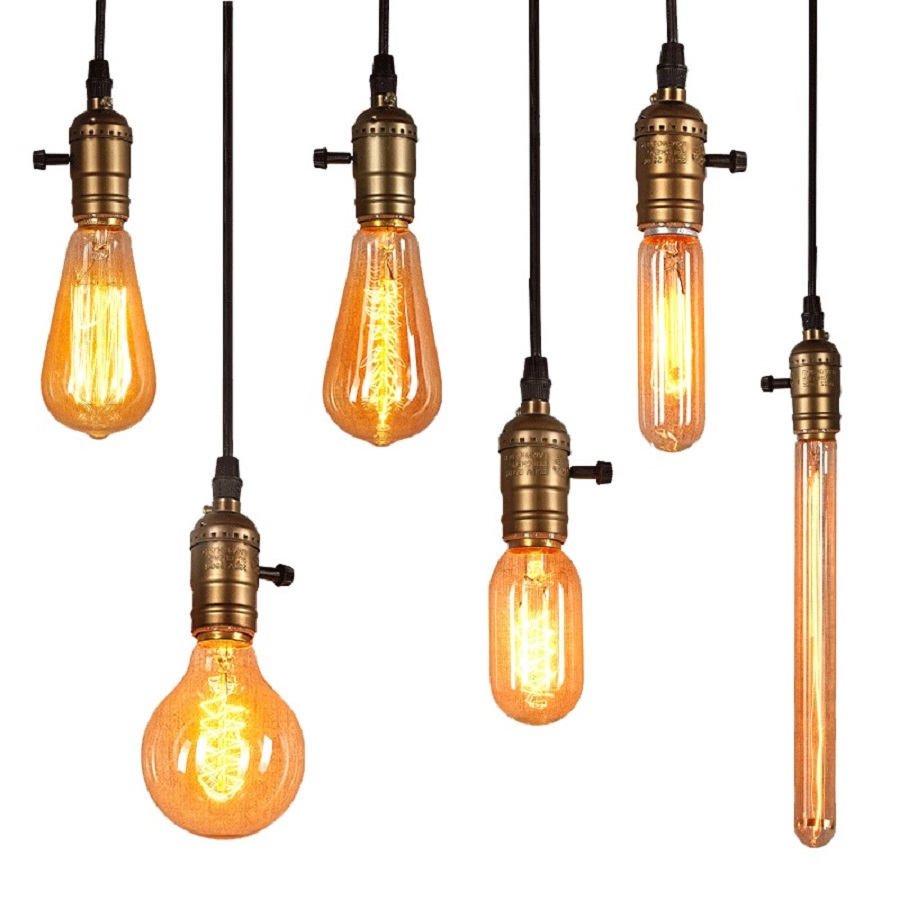
Incandescent tubular bulbs can be classified into several main types, depending on the shape, constructive structure and the installation base:
T3 Mini Candelabra Tubular Incandescent Light Bulb
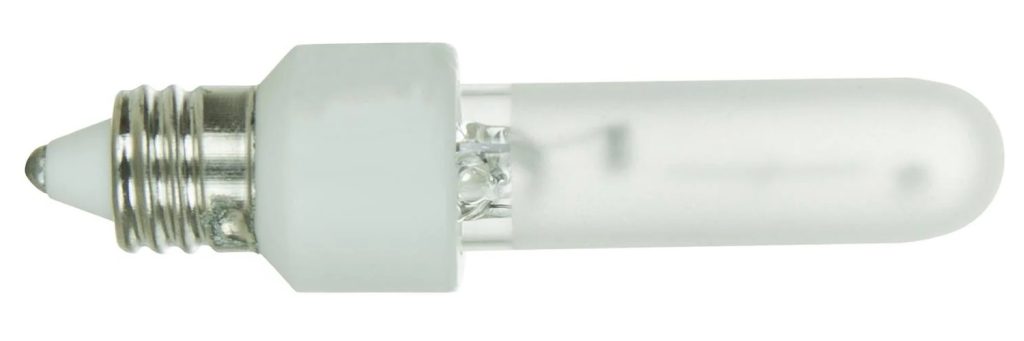
The T3 mini candelabra tubular incandescent light bulb is a small yet powerful light source commonly used in decorative lighting fixtures such as chandeliers and wall sconces. These bulbs are characterized by their slender shape and candelabra base, making them ideal for applications where space is limited but a warm, inviting light is desired.
T6 Double Contact Base Tubular Incandescent Light Bulb
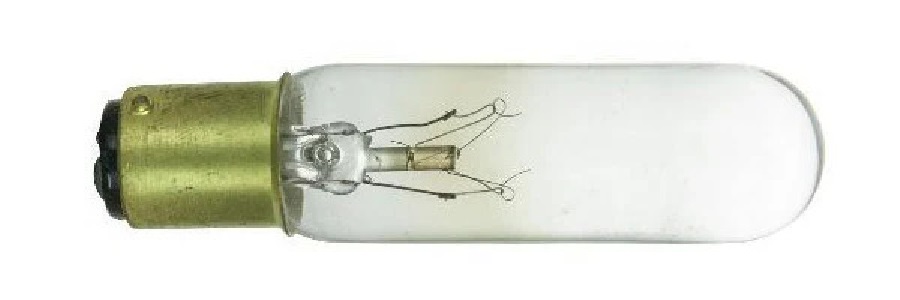
The T6 double-contact base tubular incandescent light bulb is slightly larger than the T3 and is designed for both decorative and functional lighting purposes. Its double contact base ensures a secure fit and reliable connection, making it suitable for a range of applications.
T10 Medium Base Tubular Incandescent Light Bulb
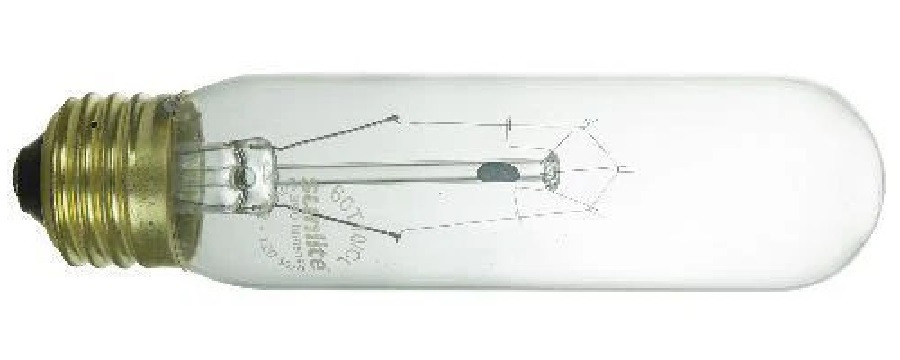
The T10 medium-base tubular incandescent light bulb is known for its versatility and durability. It features a medium screw base, making it compatible with many standard fixtures. This bulb is often used in both residential and commercial settings where a robust light source is needed.
T12 Audio Visual Tubular Incandescent Light Bulb
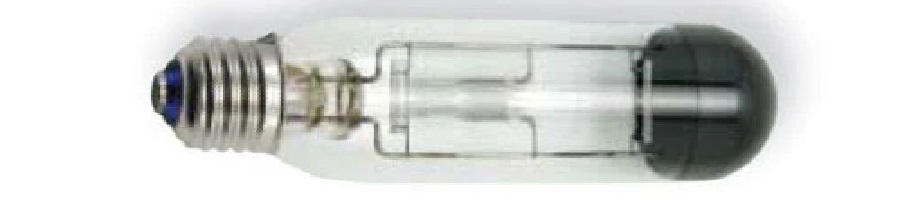
The T12 audio-visual tubular incandescent light bulb is specifically designed for audio-visual equipment and projector systems. Its unique construction ensures optimal light output and clarity, which is essential for high-quality image projection.
T20 Audio Visual Tubular Incandescent Light Bulb
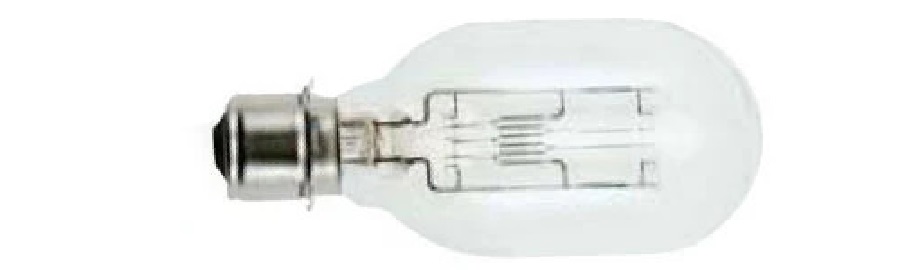
Similar to the T12, the T20 audio-visual tubular incandescent light bulb is used in professional audio-visual equipment. However, it offers a higher wattage and light output, making it suitable for larger venues and more demanding lighting requirements.
Tubular Halogen Light Bulbs
Tubular halogen lamps are a type of tubular incandescent lamp that incorporates halogen gas to improve efficiency and lifespan. They can be classified into several main types:
Double Contact Base Tubular Halogen Light Bulb
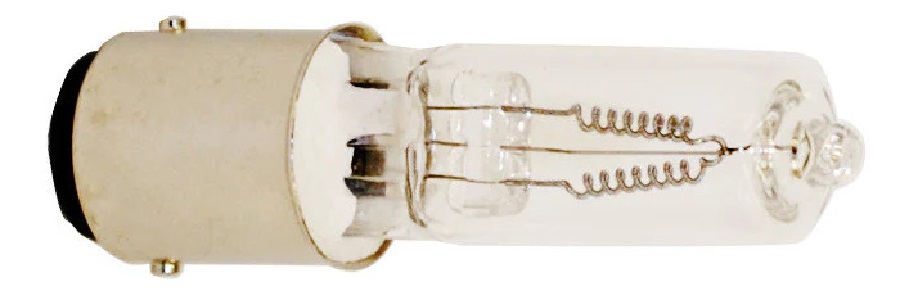
The double-contact base tubular halogen light bulb is known for its enhanced efficiency and brightness compared to standard incandescent bulbs. The halogen gas inside the bulb helps increase its lifespan and maintain brightness over time.
Double Ended Tubular Halogen Light Bulb

Double-ended tubular halogen light bulbs are widely used in floodlights and high-intensity work lights. Their design allows for even light distribution, making them ideal for applications requiring broad, intense illumination.
HLX BiPin Tubular Halogen Light Bulb
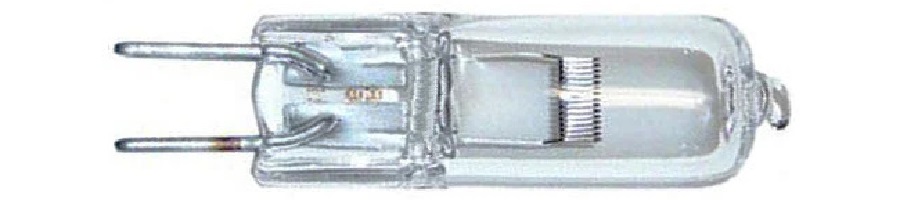
The HLX BiPin tubular halogen light bulb features a bipin base, making it easy to install in specialized fixtures. This type of bulb is often used in medical, scientific, and technical applications where precise and reliable lighting is essential.
HPL UCF Tubular Halogen Light Bulb

The HPL UCF tubular halogen light bulb is designed for high-performance lighting applications, particularly in the entertainment industry. It provides bright, consistent light, making it a favorite in theatrical and stage lighting.
Mogul Base E39 Inner Tube Tubular Halogen Light Bulb
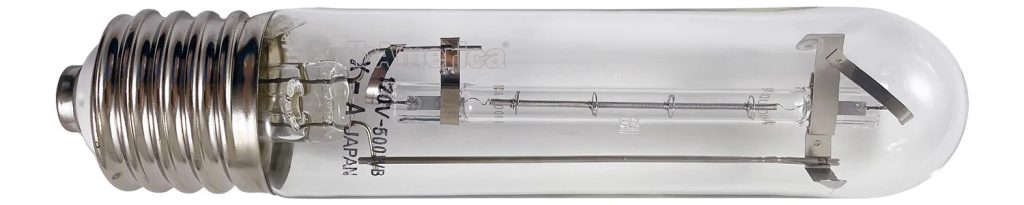
The mogul-base E39 inner tube tubular halogen light bulb is a robust and powerful light source used in industrial and commercial settings. Its mogul base allows for a secure fit in large fixtures, providing reliable and intense lighting.
Mogul Prefocus Base P40s Tubular Halogen Light Bulb
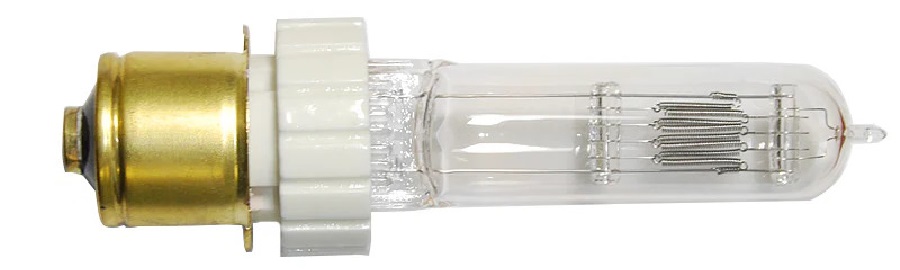
The mogul prefocus base P40s tubular halogen light bulb is another industrial-strength lighting solution, featuring a prefocus base that ensures precise alignment in fixtures. This makes it ideal for applications requiring focused and directed light.
QXL Tubular Halogen Light Bulb

The QXL tubular halogen light bulb is known for its exceptional quality and long lifespan. It’s commonly used in professional settings such as studios and theaters, where high-quality, reliable lighting is crucial.
Single Ended Tubular Halogen Light Bulb
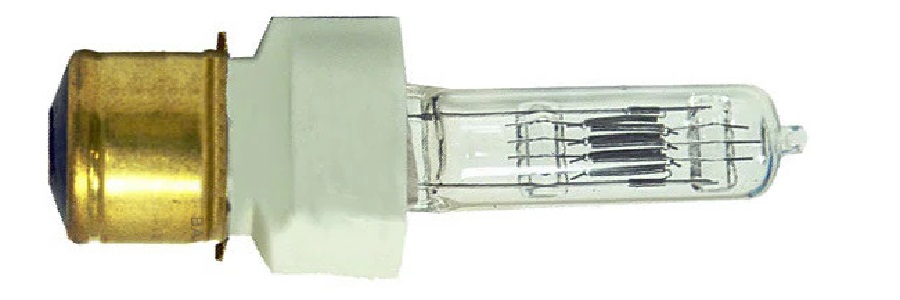
Single-ended tubular halogen light bulbs are versatile and can be used in various fixtures. Their single-ended design makes them easy to install and replace, and they provide bright, efficient light.
T4 Mini Candelabra Base Tubular Halogen Light Bulb
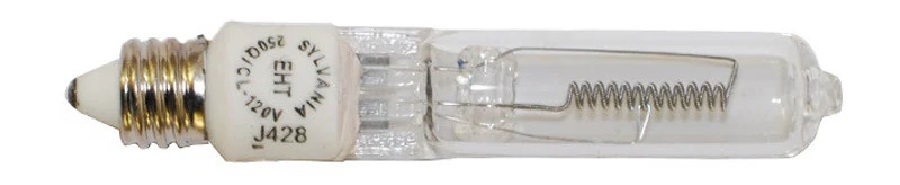
The T4 mini candelabra base tubular halogen light bulb is a compact yet powerful light source. Its small size and high efficiency make it suitable for decorative and functional lighting in studio and stage settings.
Applications of Incandescent Tube Lamps
Incandescent tube lamps have been a cornerstone of lighting technology for more than a century. Their simplicity, reliability, and quality of light have made them indispensable across a wide range of applications. Despite the advent of more energy-efficient lighting solutions, incandescent tube lamps continue to be used in specific contexts where their unique characteristics are highly valued. This comprehensive post explores the various applications of incandescent tube lamps, detailing their benefits and suitability for different settings.
Residential Applications
Ambiance and Aesthetics: Incandescent tube lamps are known for their warm, inviting light, which creates a cozy atmosphere in residential spaces. Their high color rendering index (CRI) ensures that colors appear true, making them ideal for living rooms, bedrooms, and dining areas. The warm glow of incandescent tube lamps is often preferred for creating a relaxed and comfortable environment.
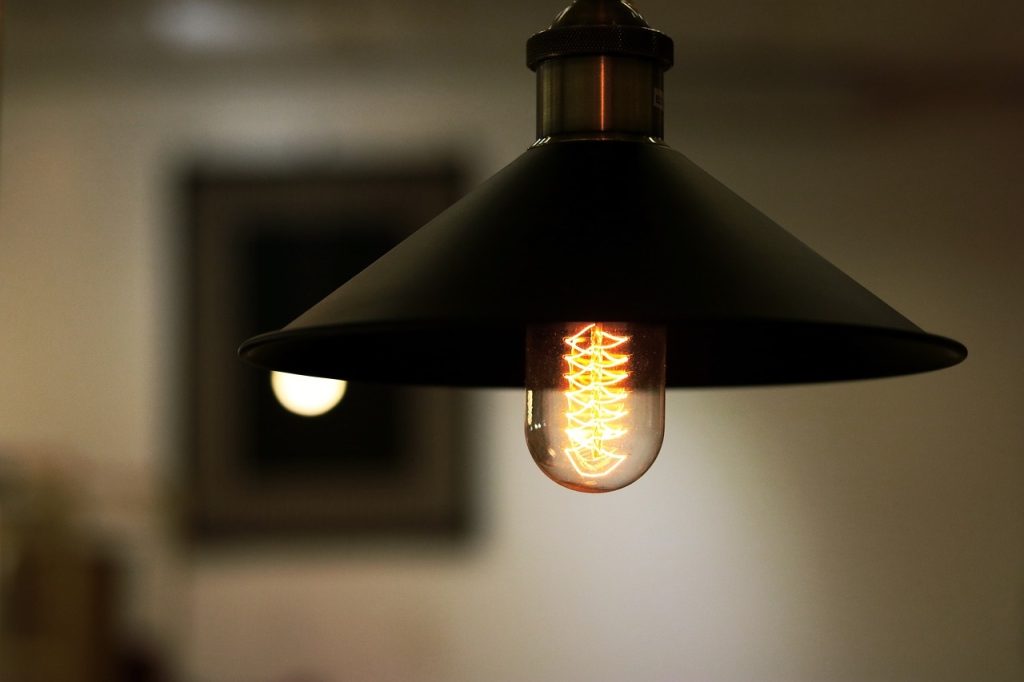
Task Lighting: In residential settings, task lighting is essential for activities such as reading, cooking, and working. Incandescent tube lamps provide focused and bright light, making them suitable for desk lamps, kitchen under-cabinet lighting, and bathroom mirror lights. Their ability to be dimmed allows for adjustable lighting levels, catering to different needs throughout the day.
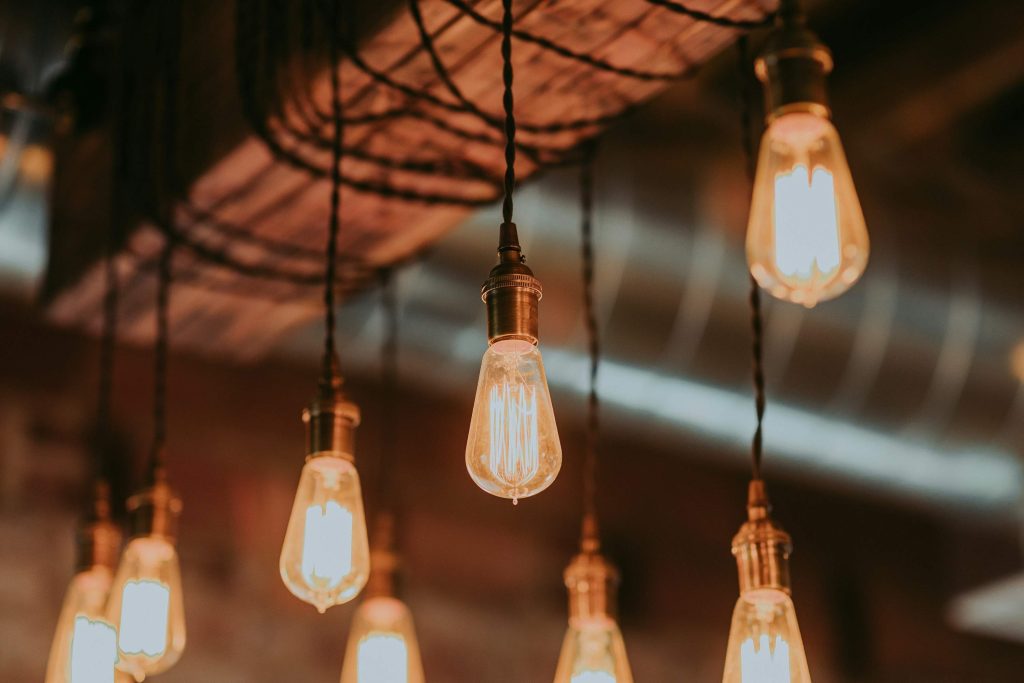
Decorative Fixtures: The aesthetic appeal of incandescent tube lamps extends to decorative fixtures such as chandeliers, wall sconces, and pendant lights. Their classic design and warm light enhance the visual appeal of these fixtures, making them popular choices for homeowners seeking both functionality and style.
Commercial and Retail Applications
Retail Displays: In retail environments, the presentation of products is crucial for attracting customers and driving sales. Incandescent tube lamps are often used in display cases and windows to highlight merchandise. Their high CRI ensures that products appear vibrant and appealing, enhancing the shopping experience.
Tourism Industry: Hotels, restaurants, and bars rely on lighting to create ambiance and enhance the customer experience. Incandescent tube lamps are used in various hospitality settings to provide warm, welcoming light that complements interior décor. Their dimmability allows for customizable lighting schemes suitable for different times of the day and types of events.
Office Lighting: While fluorescent and LED lighting have become more common in office environments due to their energy efficiency, incandescent tube lamps are still used in certain areas. They provide high-quality light for conference rooms, executive offices, and reception areas where a more comfortable and visually pleasing atmosphere is desired.
Household and Personal Use
Reading Lamps: For many individuals, incandescent tube lamps are the preferred choice for reading lamps. Their warm light reduces eye strain and creates a comfortable reading environment. The ability to adjust brightness levels is also beneficial for adapting to different times of day and reading conditions.
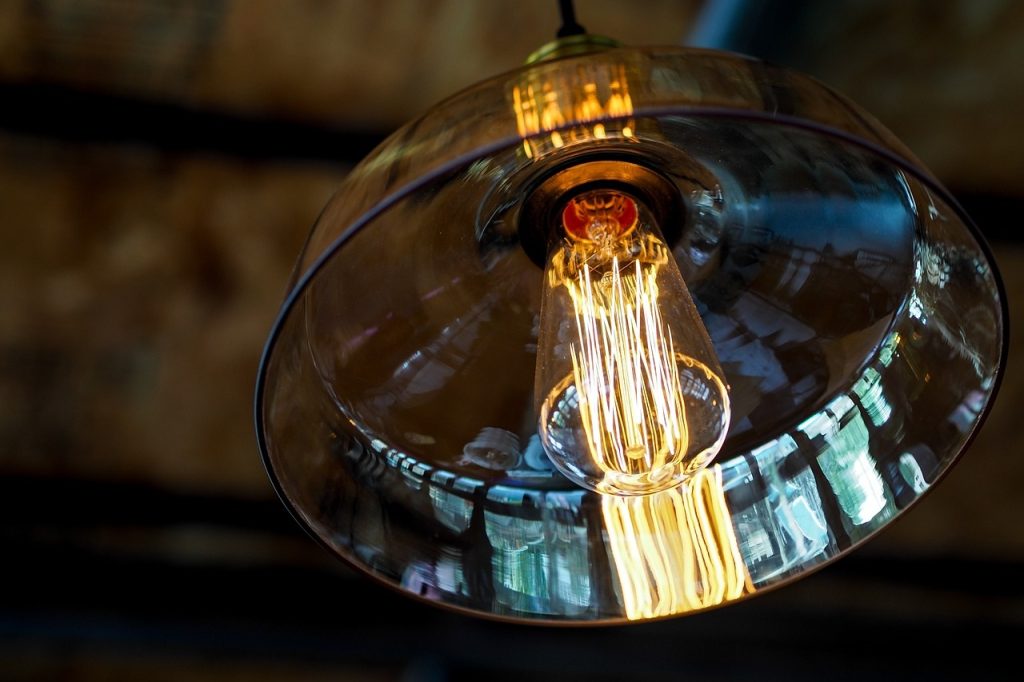
Decorative Lighting: Incandescent tube lamps are popular in household decorative lighting. They are used in string lights, holiday decorations, and accent lighting to create festive and inviting atmospheres. Their aesthetic appeal and warm glow make them ideal for enhancing the ambiance of living spaces.
Nocturnal Lighting: Night lights provide a gentle and reassuring light for nighttime use. Incandescent tube lamps are commonly used in night lights due to their soft, warm illumination. They help to create a calming environment and improve safety by providing low-level lighting in bedrooms and hallways.
Educational and Institutional Settings
Classrooms and Lecture Halls: In educational institutions, proper lighting is essential for creating a conducive learning environment. Incandescent tube lamps are used in classrooms, lecture halls, and libraries to provide comfortable and effective lighting. Their ability to be dimmed allows for adaptable lighting conditions suited to various teaching activities.
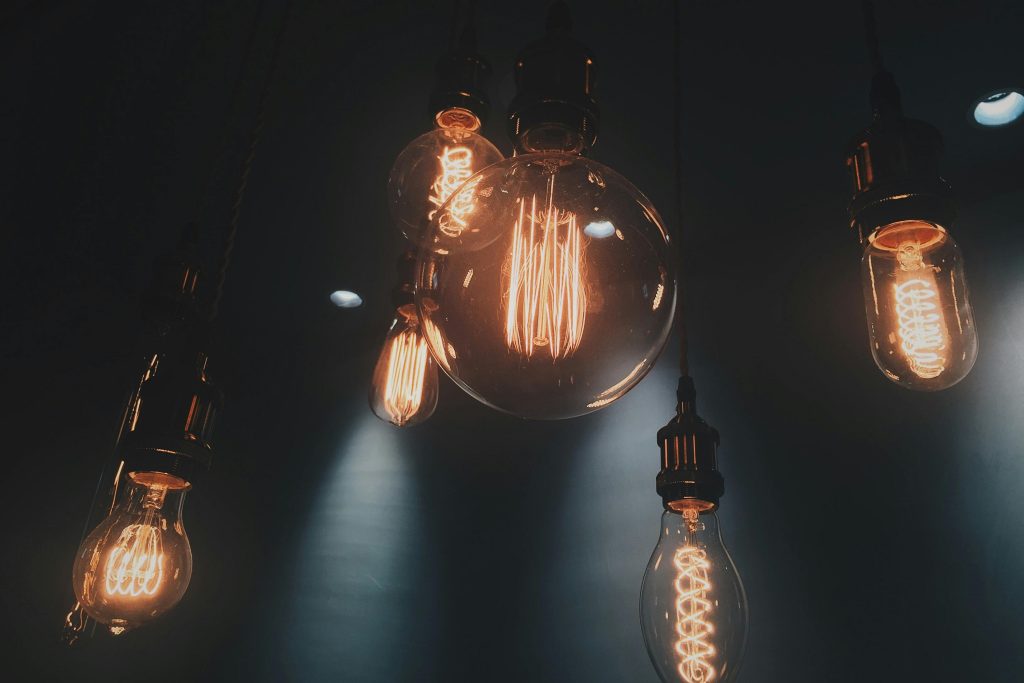
Laboratories and Research Facilities: Accurate and reliable lighting is critical in laboratories and research facilities. Incandescent tube lamps are used in these settings to ensure precise illumination for experiments and observations. Their consistent light output and high CRI support accurate analysis and data collection.
Industrial and Specialized Applications
Precision Tasks: In industrial settings, certain tasks require precise lighting to ensure accuracy and safety. Incandescent tube lamps are used in workbenches, inspection stations, and control rooms where high-quality, focused light is necessary. Their instant-on capability and consistent light output make them reliable for such applications.
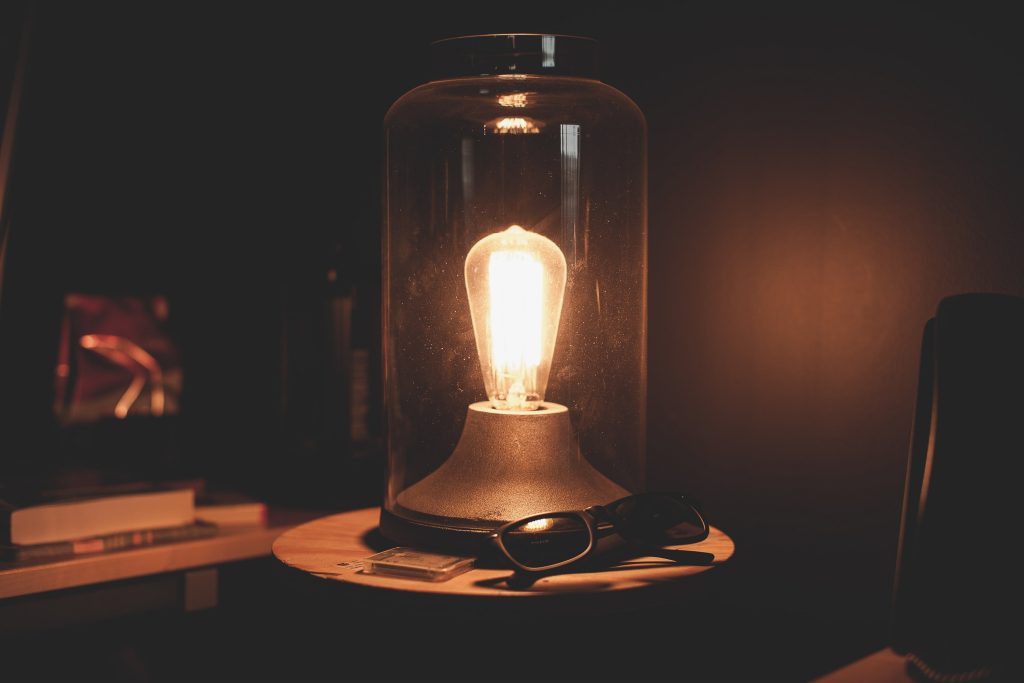
Heat-Dependent Processes: Some industrial processes require both light and heat. Incandescent tube lamps are ideal for these applications because they produce a significant amount of heat in addition to light. They are used in drying processes, curing adhesives, and other applications where controlled heat is beneficial.
Medical and Laboratory Equipment: In medical and laboratory settings, accurate and reliable lighting is essential. Incandescent tube lamps are used in microscopes, examination lights, and other specialized equipment. Their high CRI ensures that medical professionals and researchers can accurately observe details and make precise assessments.
Automotive and Transportation
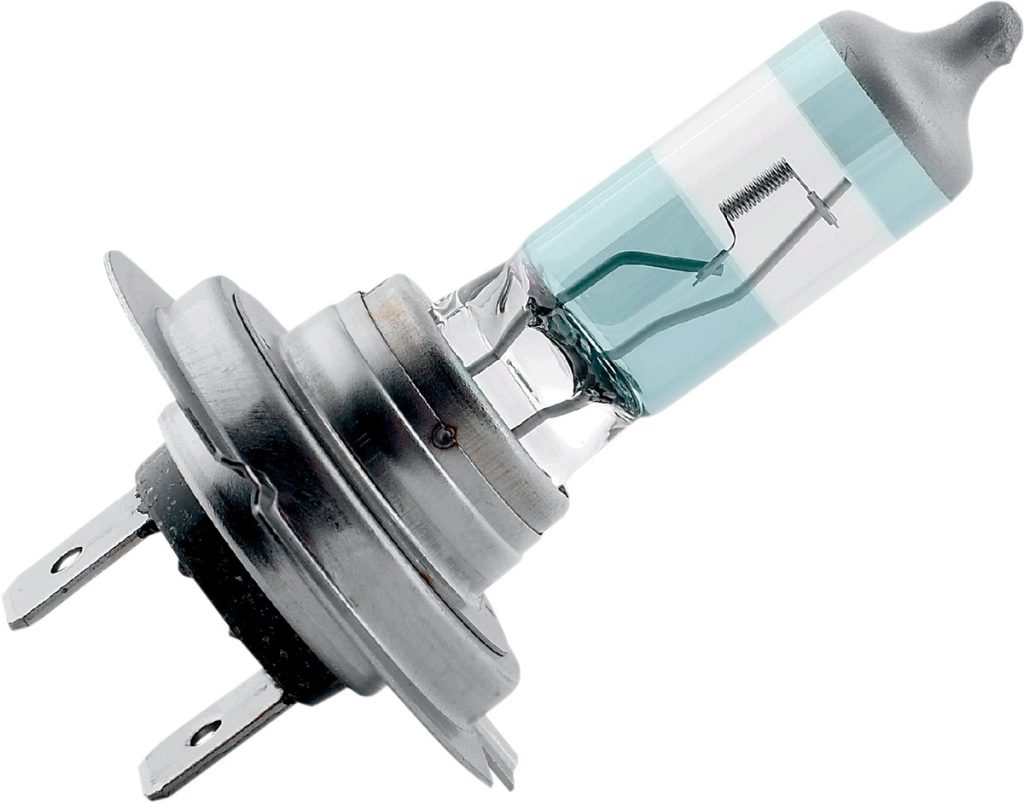
Headlights and Signal Lights: Incandescent tube lamps have been used in automotive lighting for decades. They are commonly found in headlights, taillights, and signal lights due to their reliability and ability to produce a consistent beam of light. While newer technologies like halogen and LED lights are increasingly used, incandescent lamps remain prevalent in older vehicles and certain applications.
Interior Lighting: The interior of vehicles, including cars, buses, and trains, often uses incandescent tube lamps for cabin lighting. Their warm light provides a comfortable atmosphere for passengers. Additionally, their dimmability is useful for creating different lighting levels for various situations, such as reading or nighttime driving.
Emergency and Safety Lighting
Exit Signs and Emergency Lights: In emergency situations, reliable lighting is crucial for safety. Incandescent tube lamps are used in exit signs and emergency lights to provide clear and immediate illumination. Their simplicity and reliability make them a dependable choice for safety-critical applications.
Flashlights and Portable Lamps: Incandescent tube lamps are commonly used in flashlights and portable lamps due to their durability and ability to provide bright, focused light. These applications are essential in emergency kits, outdoor activities, and situations where temporary lighting is needed.
Entertainment and Artistic Applications
Art Galleries and Museums: Art galleries and museums require lighting that accurately represents the colors and details of artworks and exhibits. Incandescent tube lamps are favored for their high CRI and ability to provide a consistent, pleasing light. They help to create an inviting atmosphere while preserving the integrity of the displayed items.
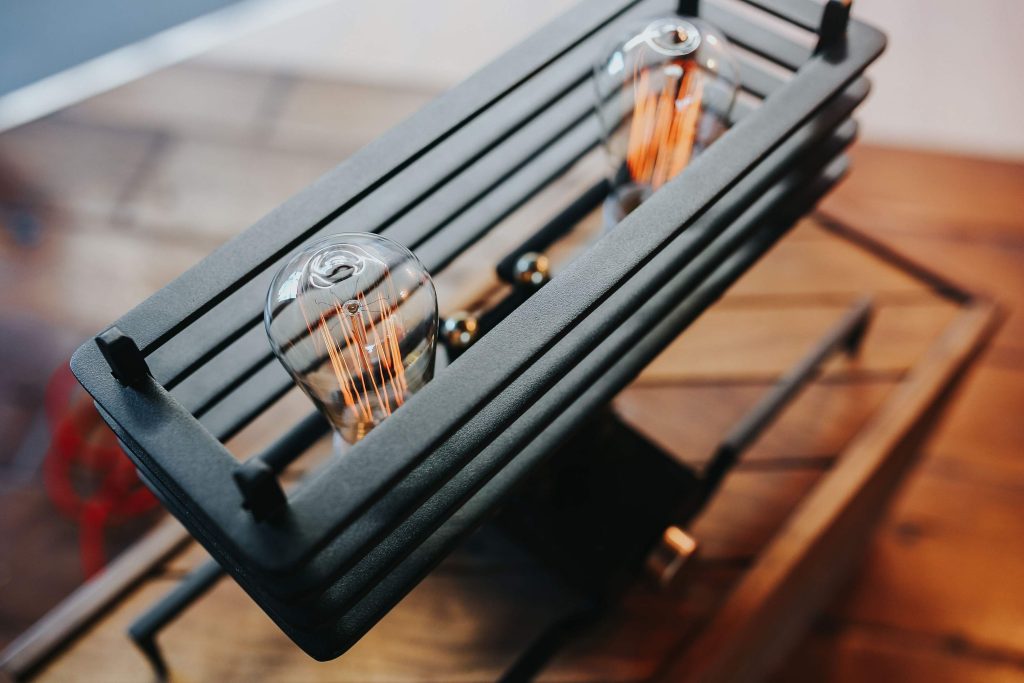
Photography Studios: Photographers rely on high-quality lighting to capture true-to-life images. Incandescent tube lamps are used in studio lighting setups to provide consistent and controllable light. Their warm tone and high CRI are particularly valued for portrait and product photography.
Stage and Film Lighting: In the entertainment industry, lighting plays a pivotal role in creating mood and enhancing visual storytelling. Incandescent tube lamps are widely used in stage and film lighting due to their excellent color rendering and ability to produce warm, natural light. They are employed in spotlights, footlights, and other fixtures to illuminate performers and sets.
Incandescent Tube Lamps Best Practices
Follow Manufacturer Instructions: Always refer to the manufacturer’s instructions for installation. This includes information on voltage requirements, suitable fixtures, and safety precautions. Adhering to these guidelines helps prevent damage to the lamp and ensures safe operation.
Ensure Proper Fit: Ensure that the lamp fits securely in the fixture. A loose connection can lead to flickering or poor electrical contact, while a lamp that is too tight can damage the fixture or the lamp itself. Use appropriate fixtures that provide a secure and stable fit for the lamp.
Verify Electrical Compatibility: Before installing the lamp, verify that the fixture and the lamp are electrically compatible. This includes checking the voltage and wattage ratings to ensure they match. Using a lamp with the incorrect voltage or wattage can result in poor performance, reduced lifespan, or even safety hazards.
Avoid Overheating: As mentioned, incandescent tube lamps generate a considerable amount of heat. To prevent overheating, ensure the lamp is used in a well-ventilated fixture and avoid using lamps with a higher wattage than the fixture is rated for. Overheating can lead to damage to the lamp and fixture, as well as pose a fire risk.
Avoid Frequent Switching: Frequent switching on and off can shorten the lifespan of incandescent tube lamps. Try to minimize the number of times the lamp is turned on and off, especially in applications where the lamp is used for short periods. If frequent switching is necessary, consider using lamps designed for such conditions.
Handle with Care: Incandescent tube lamps are delicate and can be easily damaged. Handle the lamp by the base, avoiding contact with the glass tube to prevent oil and dirt from your hands from causing hot spots and reducing the lamp’s lifespan.
Keep the Lamp Clean: Dust and dirt can accumulate on the lamp surface, reducing light output and causing the lamp to overheat. Regularly clean the lamp and fixture with a dry cloth to maintain optimal performance. Avoid using harsh chemicals or abrasive materials that can damage the glass tube.
Prevent Electrical Hazards: Ensure that all electrical connections are secure and that the fixture and lamp are properly grounded. Avoid using lamps with damaged cords or plugs, and never attempt to repair a damaged lamp yourself. If you encounter electrical issues, consult a qualified electrician.
Keep Away from Flammable Materials: Due to the heat generated by incandescent tube lamps, it is essential to keep them away from flammable materials such as curtains, paper, and fabric. Ensure that there is sufficient clearance around the lamp to prevent accidental contact with flammable items.
Energy Consumption: While incandescent tube lamps are less energy-efficient than modern alternatives, managing their use can help mitigate their impact. Use dimmers, and lower-wattage lamps, and turn off lamps when not needed to reduce energy consumption.
Recycling and Disposal: Proper disposal of incandescent tube lamps is crucial for minimizing environmental impact. Check for local recycling programs and dispose of lamps according to regulations. Recycling helps recover valuable materials and prevents harmful substances from entering the environment.
Sustainable Alternatives: Consider integrating more sustainable lighting options into your space. LEDs and CFLs offer significant energy savings and longer lifespans, reducing the environmental footprint. Assess your lighting needs and explore sustainable alternatives where feasible.
Conclusions
Incandescent tube lamps have a rich history and have played a pivotal role in the evolution of lighting technology. Their unique qualities, such as high CRI, warm light, and simplicity, have ensured their continued relevance in various applications. While they face significant competition from more energy-efficient technologies, the advantages of incandescent tube lamps in certain contexts cannot be overlooked.
Understanding the benefits and limitations of incandescent tube lamps allows consumers and professionals to make informed decisions about their use. Following best practices for selecting, installing, operating, and maintaining these lamps can maximize their efficiency, lifespan, and safety.
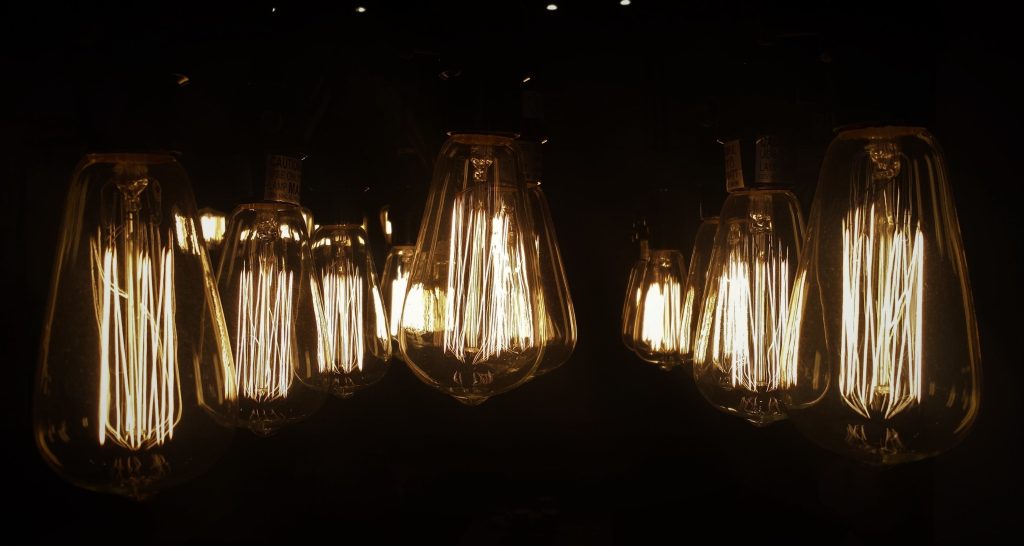
As the lighting industry continues to evolve, incandescent tube lamps will likely remain a part of our lighting world, particularly in niche applications where their unique characteristics are highly valued. By balancing the use of incandescent tube lamps with more sustainable alternatives, we can continue to enjoy the benefits of this time-tested technology while minimizing its environmental impact.
In conclusion, incandescent tube lamps have been a cornerstone of lighting technology for over a century. Their continued relevance in specific applications, combined with ongoing technological advancements, ensures that they will remain an important part of our lighting landscape. By understanding their strengths and limitations, we can make the most of incandescent tube lamps while embracing more energy-efficient solutions for a sustainable future.
FAQs (Frequently Asked Questions) about Incandescent Tube Lamps
Q1: Are incandescent tube lamps suitable for outdoor use?
While incandescent tube lamps can be used outdoors, they are generally not as durable or efficient as other lighting options like LEDs for outdoor environments. However, they can be used in outdoor fixtures designed to protect them from the elements.
Q2: Why are incandescent tube lamps still popular despite newer technologies?
Incandescent tube lamps are still popular due to their high CRI, warm light, simplicity, and reliability. These qualities make them suitable for specific applications where these characteristics are particularly valued.
Q3: Are there any specialized incandescent tube lamps?
Yes, there are specialized incandescent tube lamps designed for specific applications, such as automotive lighting, stage lighting, and industrial uses where high-quality light and reliability are crucial.
Q4: How often should incandescent tube lamps be replaced?
The replacement frequency depends on usage and the specific lamp type. Standard incandescent tube lamps typically last around 750-2,000 hours, while halogen versions can last up to 3,000 hours. Replace lamps as they burn out or show signs of dimming.
Q5: Why do incandescent tube lamps sometimes flicker?
Flickering can be caused by loose connections, incompatible dimmers, or voltage fluctuations. Ensure the lamp is securely installed, use compatible dimmers, and check the electrical supply for stability.
Q6: Will incandescent tube lamps continue to be used in the future?
While the use of incandescent tube lamps has declined due to energy efficiency regulations and the rise of LEDs and CFLs, they will likely remain in use for specific applications where their unique qualities are particularly valued, such as in decorative and specialty lighting.
Q7: Are there any upcoming innovations for incandescent tube lamps?
Ongoing research aims to improve the efficiency and lifespan of incandescent tube lamps. Innovations in filament materials, coatings, and gas fillings could potentially enhance their performance, although they will likely still lag behind modern lighting technologies in terms of efficiency.