
Imagine strolling through a picturesque garden or gazing at a breathtaking landscape bathed in soft, golden light. The fascinating phenomenon known as landscape natural lighting enhances the beauty of outdoor spaces. In this post, we will delve into the secrets of this enchanting element and explore its ability to transform ordinary environments into extraordinary ones. Join us as we uncover the techniques, tips, and ideas that will help you optimize your surroundings and create magical moments in your backyard.
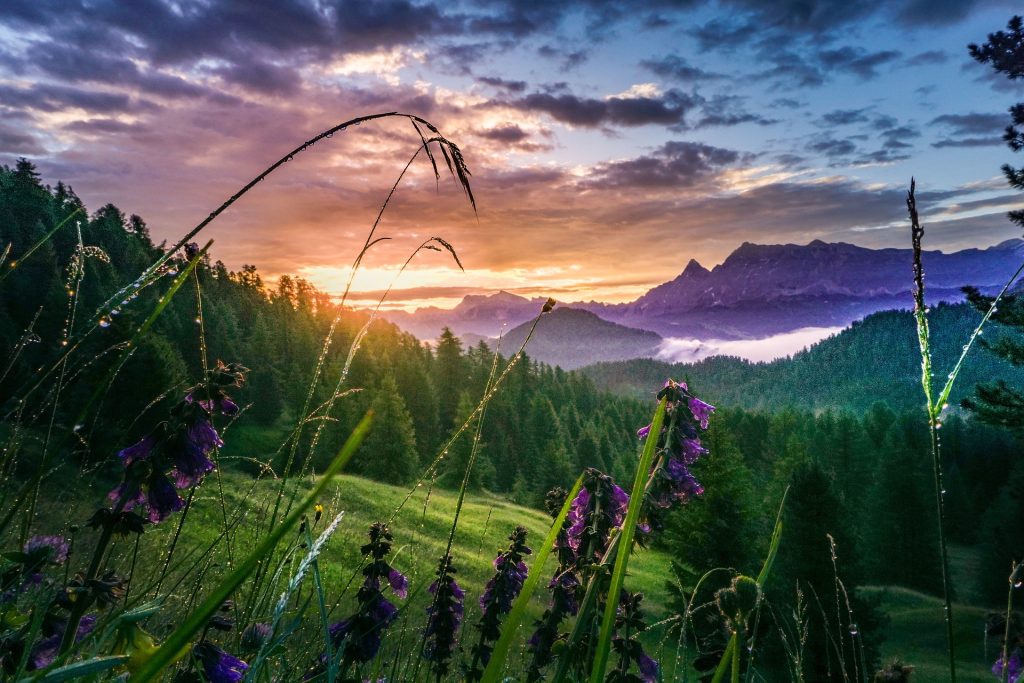
Before we embark on our journey to harness the power of outdoor natural lighting, let’s take a moment to understand what it truly means. Landscape natural lighting refers to the illumination provided by natural sources, such as the sun, moon, stars, and even the reflection of light on different surfaces. It creates a unique ambiance and adds depth, drama, and a touch of magic to outdoor spaces.
The Importance of Landscape Natural Lighting
Lighting plays a pivotal role in outdoor spaces, beyond its functional aspect. It sets the mood, highlights architectural features, and creates focal points. Proper lighting can make a garden feel warm and inviting and can transform a simple backyard into an enchanting oasis. By embracing landscape natural lighting, you can unlock the full potential of your outdoor areas and elevate their aesthetic appeal.
Daylight Natural Lighting Definition. What is Daylight Natural Lighting
Daylight natural lighting is the use of sunlight as a primary source of illumination within indoor or outdoor spaces, achieved through the strategic integration of windows, skylights, and other transparent elements in a building’s design. Unlike artificial lighting, which relies on electrical sources, daylight harnesses the full spectrum of natural light emitted by the sun, providing numerous benefits for occupants and the environment. This sustainable lighting approach enhances health and well-being, promotes energy efficiency, boosts mood and productivity, and adds aesthetic appeal to architectural and interior design.
Landscape Natural Lighting Definition. What is Landscape Natural Lighting
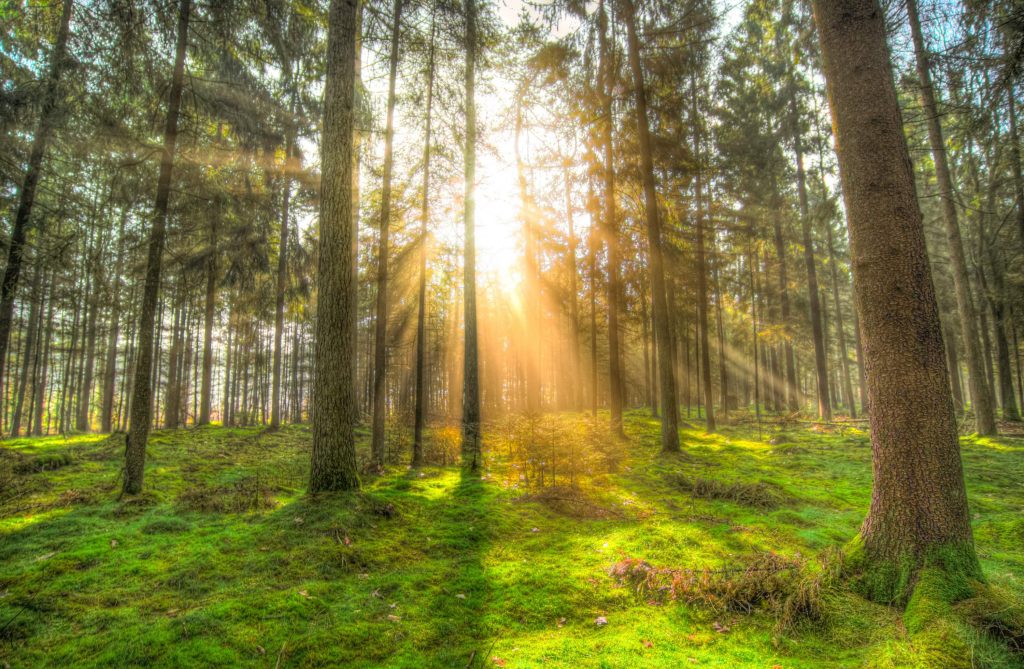
Landscape natural lighting is the use of natural light in outdoor environments to illuminate and enhance the beauty of landscapes. Harness sunlight, moonlight, and other natural light sources to create beautiful and fascinating outdoor spaces. Landscape natural lighting takes advantage of the changing qualities of light throughout the day and night, highlighting the textures, colors, and contours of natural elements such as trees, plants, water features, and architectural structures. It aims to create an attractive and enchanting atmosphere, accentuating the unique characteristics of a landscape while considering functional requirements and desired ambiance of the outdoor area. Through careful planning and design, landscape natural lighting adds depth, drama, and a sense of tranquility to outdoor spaces, transforming them into inviting and amazing environments for both daytime and nighttime enjoyment.
Landscape Natural Light Sources
The primary categories of natural light sources encompass Celestial Lights (Sunlight, Moonlight, Starlight), Atmospheric Lights (Meteors, Lightning, Auroras), and Luminescence (Bioluminescence, Chemiluminescence, Mechanoluminescence, Photoluminescence, Radioluminescence, and Thermoluminescence).
Harnessing the Power of the Sun
Sunlight has a significant impact on the ambiance of outdoor areas. It influences the landscape’s colors, textures, and overall mood. You can optimize the lighting in your outdoor spaces by strategically positioning elements and taking advantage of the sun’s path. Here are some pointers on how to make the most of sunlight:
Understanding Solar Angles: Throughout the day, observe the path of the sun and identify areas that receive direct sunlight and those shaded. This knowledge will assist you in planning the placement of various elements in your landscape.
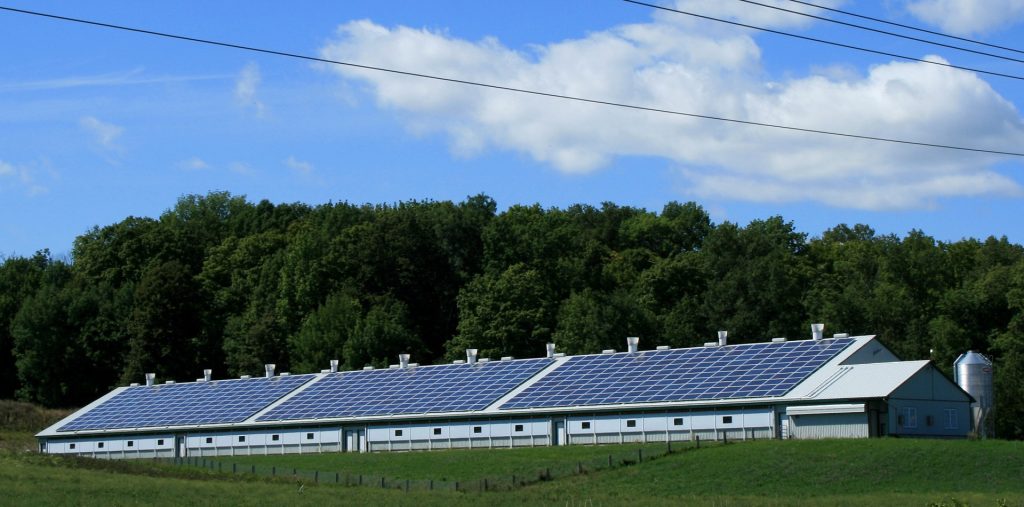
Creating Contrast with Shade: Use natural shade provided by trees, pergolas, or arbors to create contrasting areas of light and shadow. This interplay gives your outdoor spaces depth and visual interest.
Using Shade Structures: To control the amount of sunlight entering your outdoor areas, install shade structures such as awnings, umbrellas, or retractable canopies. This enables you to adjust to changing weather conditions and maintain a comfortable environment.
The Role of Weather in Natural Lighting
Weather conditions greatly influence the quality and characteristics of natural light. Clouds, fog, rain, and other atmospheric elements can add mood, texture, and dimension to landscape natural lighting. Different weather conditions can provide unique opportunities to observe stunning images with distinct lighting effects, contributing to the overall atmosphere of the scene.
The Psychology of Outdoor Landscape Natural Lighting
Landscape natural lighting has a profound impact on human emotions and well-being. Here’s how it influences our psychology:
Mood Enhancement: Soft, warm lighting creates a soothing and relaxing ambiance, reducing stress and anxiety. Brighter lighting can boost energy levels and create a lively atmosphere for social gatherings.
Connection with Nature: Daylight natural lighting allows us to connect with the rhythms of nature, providing a sense of balance and tranquility. It reminds us of the beauty and wonders of the natural world.
Aesthetic Pleasure: The interplay of light and shadows in outdoor spaces evokes a sense of beauty and aesthetics. It enhances our appreciation for the environment and cultivates a deeper connection with our surroundings.
Landscape Natural Lighting Advantages and Disadvantages
Landscape lighting is essential for improving the beauty and functionality of outdoor spaces. Landscape natural lighting has a special place among the various lighting options available. In this post, we’ll look at the benefits and drawbacks of using natural lighting in landscape design, shedding light on its advantages and considerations for optimal implementation.
Advantages of Landscape Natural Lighting
Aesthetically Pleasing: One of the significant advantages of landscape natural lighting is its ability to create a spectacular atmosphere. Natural light brings out the true colors, textures, and contours of landscape elements, such as plants, trees, and architectural features. The dynamic interplay of light and shadow during different times of the day adds depth and dimension, contributing to an enchanting and attractive outdoor environment.
Energy Efficiency: Compared to artificial lighting, landscape natural lighting is inherently energy-efficient. By harnessing the sun’s natural light, you can significantly reduce energy consumption, leading to cost savings and a smaller environmental footprint. With proper planning and design, strategic placement of elements like windows, skylights, and reflective surfaces can optimize the utilization of natural light throughout the landscape, reducing the need for electricity-powered lighting fixtures.
Sustainability: Using natural lighting in the landscape is consistent with sustainable design practices. By reducing your reliance on artificial lighting sources, you help to conserve energy and reduce greenhouse gas emissions. Furthermore, using exterior natural light fosters an appreciation for the environment and a connection with the natural world.
Enhances Mood and Well-being: Outside natural light has been shown to improve mood and general well-being. Spending time outdoors in well-lit areas can help reduce stress, increase serotonin production, and improve mental clarity. Natural lighting in the landscape provides an opportunity to create a soothing and rejuvenating atmosphere, allowing occupants to feel more connected to nature and benefit from its therapeutic benefits.
Disadvantages of Landscape Natural Lighting
Limited Control: While outdoor natural lighting offers a number of advantages, it is essential to consider the lack of control over its intensity and availability. Weather conditions, cloud cover, and the changing seasons can affect the consistency and reliability of natural light. It may be challenging to achieve a consistent lighting scheme throughout the year, requiring careful planning and alternative lighting solutions for evenings or low-light situations.
Inadequate Lighting at Night: Natural lighting is insufficient for illuminating outdoor spaces during nighttime hours. Incomplete visibility in the absence of sunlight can pose safety risks and limit the functionality of the landscape after dark. Supplementary artificial lighting, such as low-voltage or LED fixtures, may be necessary to ensure adequate illumination during evening and nighttime activities.
Maintenance and Upkeep: While landscape natural lighting reduces energy consumption, it still requires regular maintenance to ensure optimal performance. Cleaning windows, skylights, and other transparent elements from dirt, dust, and debris is necessary to maximize the amount of external natural light reaching the landscape. Additionally, vegetation growth and changes in landscape design may require adjustments to maintain an ideal balance of natural light.
Design Limitations: Designing a landscape to maximize natural lighting can present certain challenges. Factors such as site orientation, surrounding structures, and landscape features can impact the availability and distribution of sunlight. Designers must carefully evaluate these constraints and make informed decisions to optimize natural lighting while maintaining the desired functionality and aesthetics of the landscape.
Methods of Landscape Natural Lighting
Utilizing different methods of landscape natural lighting allows designers to create fascinating outdoor spaces that seamlessly blend with nature. These methods not only enhance the aesthetics of the landscape but also contribute to sustainability and the overall well-being of occupants. By carefully selecting and implementing these techniques, landscape designers can create outdoor environments that are visually stunning, functional, and in balance with nature’s radiant embrace.
Direct Sunlight
The bright and intense light emitted by the sun during the day cast shadows and creates dramatic effects.
Soft Sunlight

The gentle and diffused light during the early morning and late afternoon provides a warm and cozy atmosphere.
Reflected Sunlight
Light bounces off surfaces like water bodies, walls, or foliage, casting beautiful reflections and creating a magical atmosphere.
Daylight Direction
According to the applied direction of natural light, the methods can be: up lighting, down lighting, front lighting, backlighting (silhouette lighting), and floodlighting.
Moonlight
The soft, silvery light of the moon, is perfect for creating a romantic ambiance.
Starlight
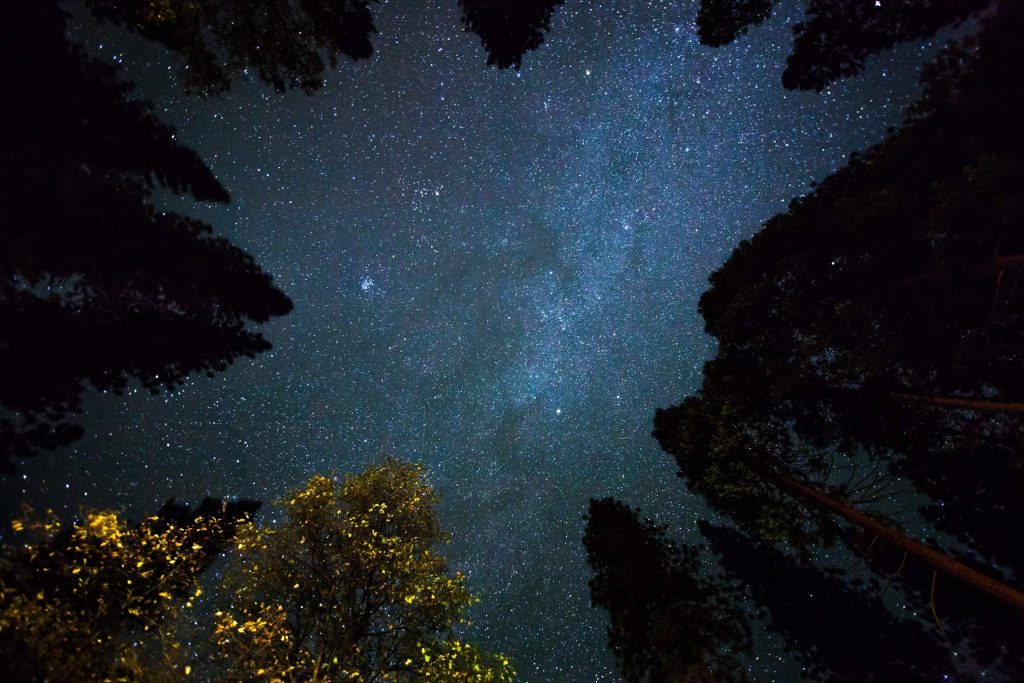
The faint light emitted by stars is ideal for adding a touch of enchantment to your outdoor gatherings.
Creative Lighting Techniques for Landscape Natural Lighting
Creative lighting techniques can truly elevate the beauty and ambiance of landscape natural lighting. These techniques allow for artistic expression, accentuating the natural elements of the landscape and transforming them into attractive highlights. When combined with the inherent beauty of natural light, these creative lighting techniques help to create unforgettable landscapes that enchant and inspire both occupants and visitors alike.
Harnessing the Power of Golden Hour
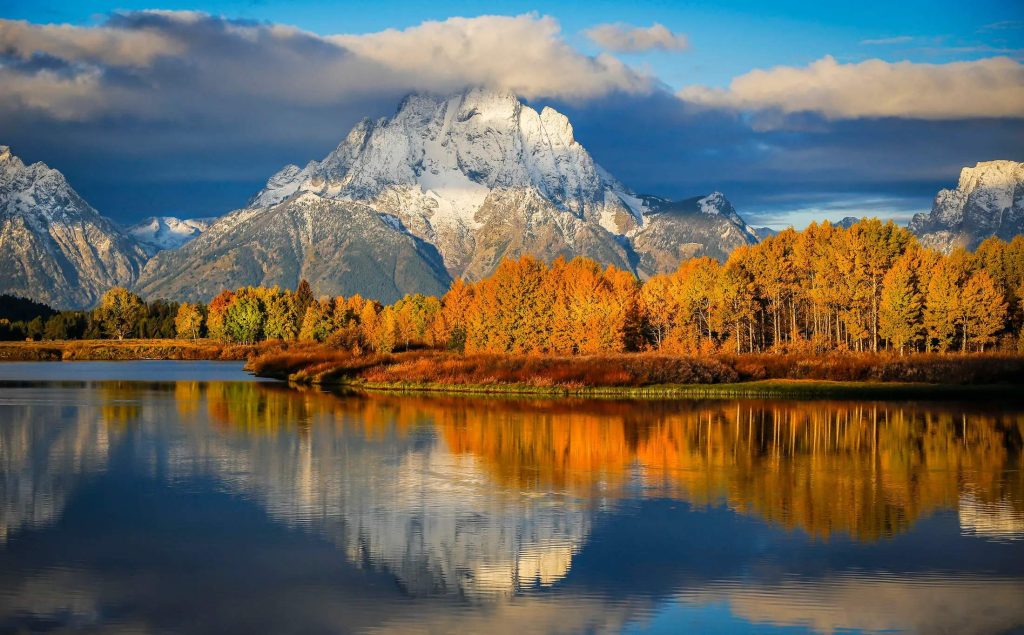
The golden hour refers to the period shortly after sunrise and before sunset when the light has a golden, warm hue. During this time, the light is diffused and casts a beautiful glow on landscapes, making it an ideal moment to observe amazing scenes.
Playing with Shadows and Silhouettes
Shadows and silhouettes add a sense of mystery and drama to the landscape’s natural lighting. They can emphasize the shape and form of the objects, creating intriguing compositions.
Using Reflective Surfaces for Added Brilliance
Water bodies, glass surfaces, and other reflective elements can be used to improve natural lighting in landscapes. They act as mirrors, bouncing and diffusing light, creating a captivating interplay between the environment and its reflection.
Utilizing Backlighting for a Magical Glow
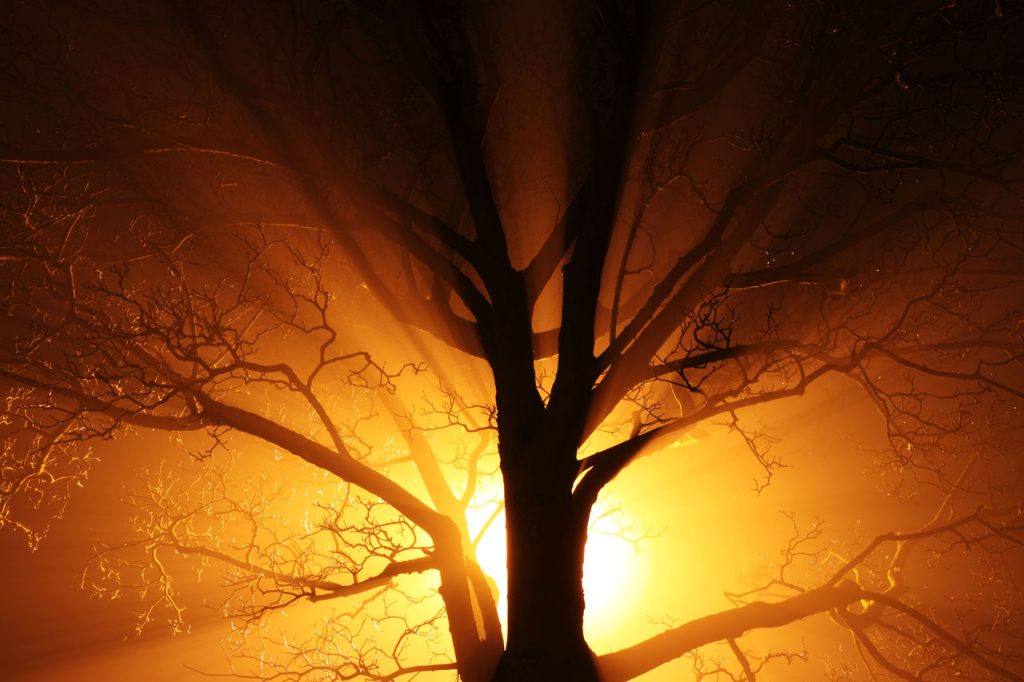
When the light source is placed behind the object, it creates a stunning glow around the edges. It can create an ethereal beauty, especially when observing objects with translucent or semi-transparent elements. Backlighting in landscape natural lighting can create enchanting scenes with a dreamy and mystical feel.
Enhancing Colors with Warm and Cool Light
The color temperature of natural light varies throughout the day, ranging from warm tones during sunrise and sunset to cooler hues during midday. By understanding this color temperature shift, landscapers can use it to enhance the colors in their composition. The warm light of sunrise and sunset can intensify the natural hues of landscapes, while the cool light of midday can create a more tranquil atmosphere.
Incorporating Artificial Lighting for Nightscapes
While natural light is essential for landscape lighting, artificial lighting can also play a significant role, particularly during nighttime. The strategic use of artificial lights, such as path lights, spotlights, or streetlights can add depth, drama, and a sense of storytelling to nightscapes. Balancing the ambient natural light with artificial lighting allows landscapers to create impressive scenes that capture the essence of nocturnal landscapes.
Landscape Natural Lighting Best Practices
Creating a well-lit outdoor space involves a careful balance of natural and artificial lighting. By following these strategies, you can make the most of landscape natural lighting:
Positioning and Orientation
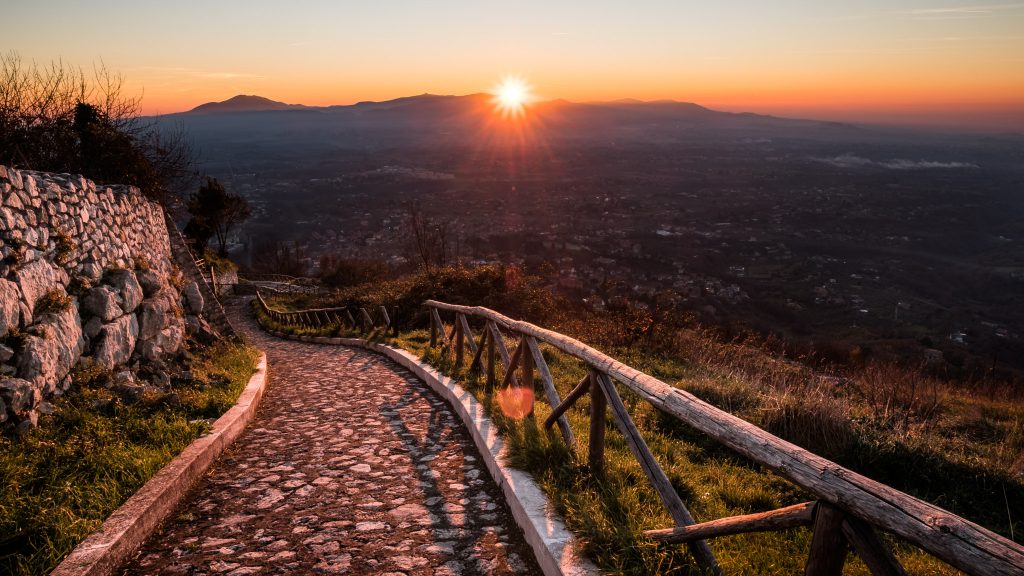
To optimize natural light, consider the positioning and orientation of your outdoor space. South-facing areas receive the most sunlight throughout the day, making them ideal for gardens and sun-drenched patios. By aligning your seating areas or focal points with the sun’s path, you can maximize exposure to natural light.
Selecting Light-Colored Surfaces
Light-colored surfaces, such as paving stones or light-toned walls, reflect sunlight more effectively. This reflection helps to brighten the surrounding area and distribute light evenly. Incorporating light-colored materials into your landscape design can create a visually vibrant and well-lit space.
Strategic Planting
Trees, shrubs, and other greenery can be strategically positioned to provide shade in areas where direct sunlight may be too intense. This allows for a more comfortable outdoor experience while still enjoying the benefits of natural lighting. Additionally, trees with dappled foliage can create captivating patterns of light and shadow on the ground, adding depth and visual interest to your landscape.
Designing Lighting Plans for Different Landscapes
Every landscape is unique, and designing a lighting plan requires careful consideration of various factors. Here are some tips to help you design lighting plans for different types of landscapes:
Formal Gardens
Emphasize symmetry and structure using evenly spaced lighting fixtures along paths and hedges. Focus on illuminating architectural elements and creating a balanced atmosphere.
Informal Gardens
Opt for a more organic and whimsical approach using soft, ambient lighting. Highlight unique features like water elements or sculptures, and let the lighting guide visitors along meandering paths.
Coastal Landscapes
Choose lighting fixtures that withstand harsh coastal conditions, such as salt spray and high winds. Incorporate soft, warm lighting to complement the serene coastal environment.
Desert Landscapes

Use warm-toned lighting that mimics the colors of the desert to create an enchanting desert oasis. Highlight the textures of cacti, rocks, and sand to highlight the unique beauty of desert landscapes.
Landscape Natural Lighting Fixtures
Choosing the right lighting fixtures and accessories is crucial in achieving the desired ambiance for your outdoor spaces. Consider the following options:
Heliostats

The utilization of heliostats, which are mirrors programmed to automatically adjust and redirect sunlight in a consistent direction as the sun traverses the sky, is gaining momentum as an energy-efficient lighting approach. Heliostats have the capacity to direct sunlight precisely through windows, skylights, or a variety of optical components such as light tubes, effectively dispersing the light to the desired locations. The accompanying image depicts a mirror mounted on a computer-controlled, motor-driven altazimuth mount, enabling smooth rotation and precise alignment.
Reflectors and Shelves
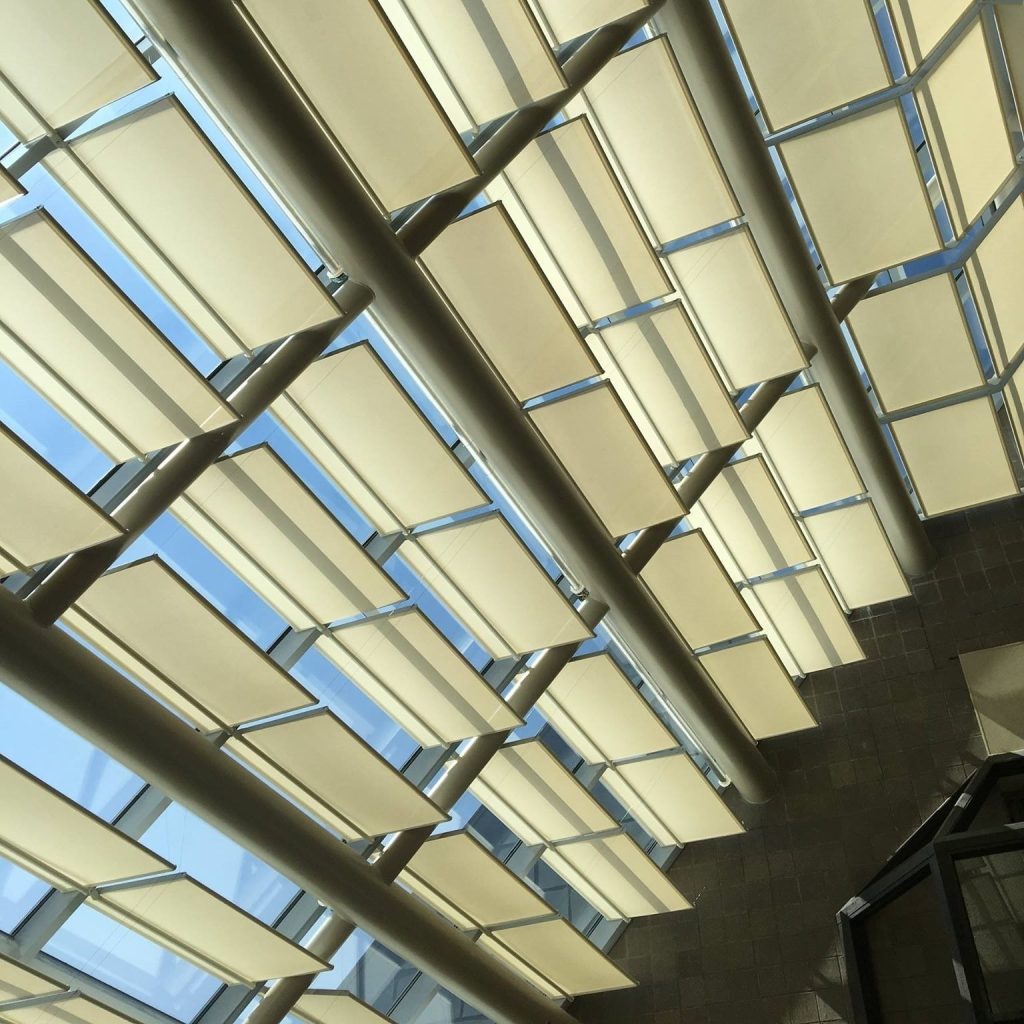
Light shelves are an effective way to increase the amount of natural light entering a structure through windows facing the equator. A white or reflective metal shelf placed outside the window accomplishes this. During the summer, a projecting eave shields the window from direct sunlight. The light shelf extends beyond the eave’s shadow, redirecting sunlight upwards to illuminate the ceiling. The reflected light from the light shelf has a low heat content, and the reflective illumination from the ceiling helps diminish deep shadows, reducing the need for additional general lighting.
Translucent Walls
Glass brick walls possess a translucent-to-transparent characteristic. Traditionally, these walls are hollow and filled with fine concrete grout. However, contemporary glass brick walls are often constructed using solid cast glass grouted with a transparent adhesive. When the refractive index of the glue matches that of the glass, the resulting wall can exhibit a relatively high level of transparency.

Both glass and concrete have moderate heat conductivity in solid form, making them inadequate insulation materials. Consequently, glass brick walls are commonly used outdoors as dividers between two heated spaces or in mild climate regions. Greenhouse walls and roofs maximize light transmission while minimizing heat absorption. Various materials utilized in greenhouse construction can range from transparent to translucent in appearance.
Artificial Lighting
The landscapes can be enjoyed outside daylight hours thanks to artificial light. Lighting outdoor spaces in the evening and at night creates a safe and welcoming environment for socializing, entertaining, or simply enjoying the scenery.
Unlike natural light, which is affected by weather and daylight hours, artificial lighting allows complete control over intensity, direction, and color. This adaptability enables designers to create customized lighting schemes that highlight specific areas or focal points within the landscape.
Adequate lighting in outdoor areas improves safety and security. Artificial lights strategically placed can illuminate pathways, steps, and other potential hazards, reducing the risk of accidents. Furthermore, properly lit landscapes deter intruders and provide a sense of security.
Conclusions
Landscape natural lighting can transform ordinary outdoor spaces into extraordinary realms. By understanding the different types of lighting, harnessing the sun’s energy, exploring creative techniques, and considering the psychology behind it, you can create captivating landscapes that evoke emotions, enhance safety, and provide endless enjoyment.
Unleash your creativity, experiment with different lighting fixtures, and let nature’s illuminating touch work magic in your outside area. Embrace the beauty of landscape natural lighting and elevate the allure of your exterior spaces, one ray of light at a time.
FAQs (Frequently Asked Questions) about Landscape Natural Lighting
Q1.Why is landscape natural lighting important for outdoor spaces?
Landscape natural lighting is essential for outdoor spaces as it enhances the visual appeal, creates a welcoming ambiance, and highlights the natural features of the landscape. It also connects to the natural environment, promoting well-being and relaxation.
Q2.Can natural lighting be incorporated into small outdoor areas?
Yes, natural lighting can be incorporated into small outdoor areas. By using reflective surfaces, strategic plantings, and carefully positioned focal points, you can maximize the available natural light and create an inviting atmosphere, even in limited spaces.
Q3.How can landscape natural lighting improve the aesthetics of my garden?
Landscape natural lighting can dramatically enhance the aesthetics of your garden by creating depth, highlighting key features, and adding a touch of enchantment. The interplay of light and shadows evokes a sense of beauty and brings out the textures and colors of your plants, flowers, and structures.
Q4.Can landscape natural lighting improve my mood and well-being?
Yes, landscape natural lighting has a significant impact on human emotions and well-being. Soft, warm lighting creates a relaxing and soothing ambiance, while brighter lighting can boost energy levels and create a lively atmosphere. Connecting with nature through landscape lighting can reduce stress and foster a sense of balance and tranquility.
Q5.How can I control the intensity of natural light in my landscape?
To control the intensity of natural light in your landscape, you can use various techniques such as shade structures, trellises with climbing plants, or adjustable blinds or curtains. These methods allow you to modify the amount of sunlight reaching specific areas of your outdoor space.
Q6.Are there any eco-friendly benefits to landscape natural lighting?
Yes, landscape natural lighting offers several eco-friendly benefits. By relying more on natural light during the day, you can reduce your dependence on artificial lighting, thus conserving energy and reducing electricity bills. Additionally, natural lighting promotes the growth of plants and trees, contributing to a healthier and more sustainable environment.
Q7.Can landscape natural lighting be integrated with other lighting techniques?
Absolutely! Landscape natural lighting can be combined with other lighting types, such as accent lighting, pathway lighting, or underwater lighting. Incorporating a mix of natural and artificial lighting, you can create interesting visual effects and extend the usability of your outdoor space into the evening hours.
Q8.How can I create a romantic atmosphere using landscape natural lighting?
Consider using soft, warm-colored light bulbs or candles to create a romantic atmosphere with landscape natural lighting. To add a touch of enchantment, string lights or lanterns can be hung from trees or draped along pergolas. Intimate seating areas with plush cushions and cozy blankets can add to the romantic atmosphere.